
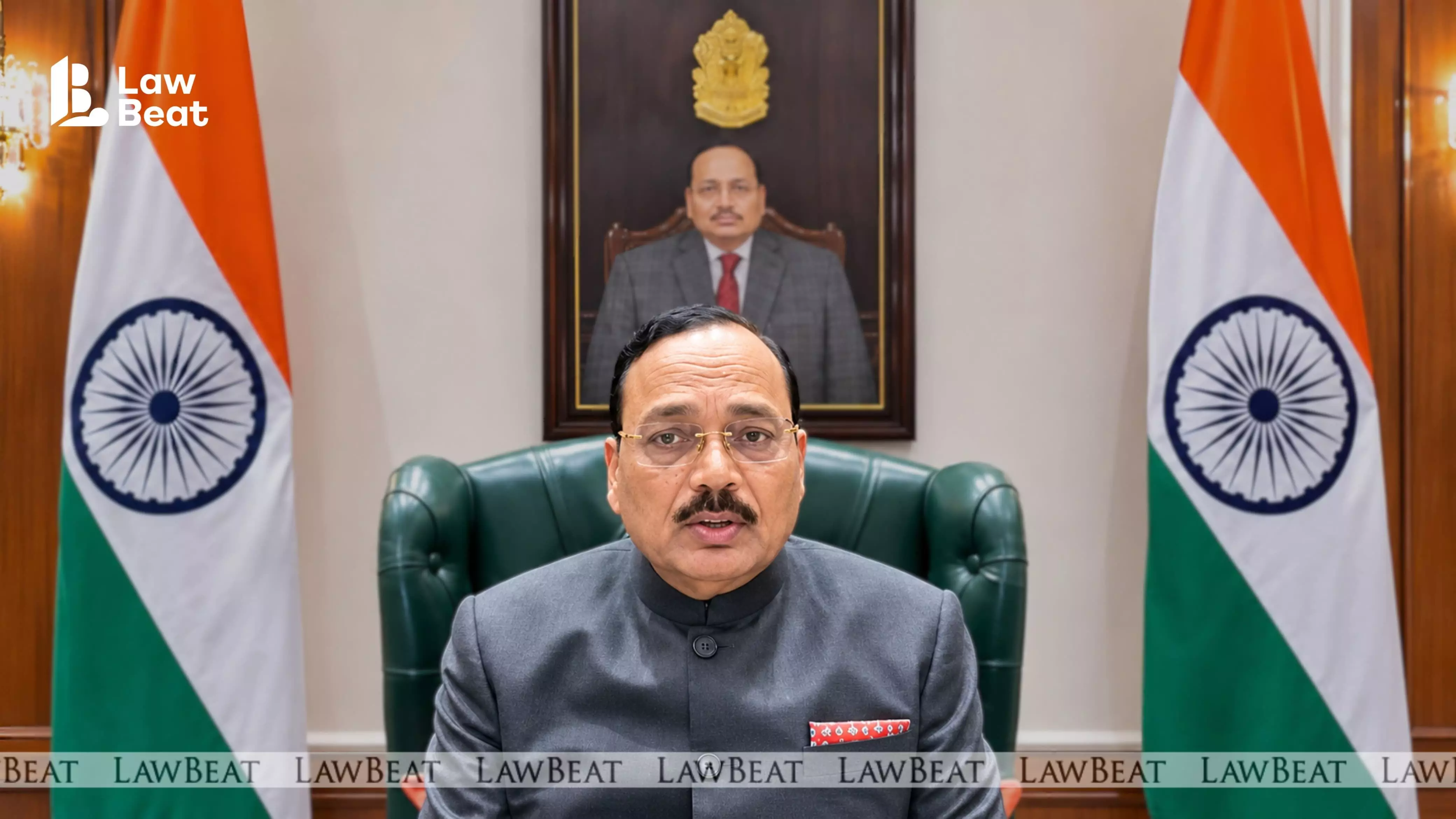
CJI Surya Kant: Emphasizes India Singapore Dispute Resolution for Economic Ties
Summary
- Chief Justice of India Surya Kant addressed the Indian Council of Arbitration symposium in Singapore.
- The symposium marked the 200th anniversary of the 1826 Second Charter of Justice.
- CJI Surya Kant stated that predictable dispute resolution is vital for driving India–Singapore trade and investment.
- He urged both nations to learn from each other's dispute resolution models.
- The Chief Justice also advocated for the encouragement of early mediation in bilateral disputes.
A Judicial Call for Enhanced Dispute Resolution
His remarks underscored the critical role that robust and predictable dispute resolution mechanisms play in fostering cross-border commerce and capital flows.
Chief Justice of India Surya Kant recently delivered a significant address at a symposium hosted by the Indian Council of Arbitration in Singapore. This event, held to commemorate the bicentennial of the 1826 Second Charter of Justice, served as a platform for the CJI to articulate his vision for strengthening the economic relationship between India and Singapore. His remarks underscored the critical role that robust and predictable dispute resolution mechanisms play in fostering cross-border commerce and capital flows.
During his speech, the Chief Justice highlighted that the reliability of dispute resolution processes directly influences the volume and stability of trade and investment between the two nations. He emphasized that a clear and efficient framework for resolving disagreements is not merely a legal nicety but a fundamental driver of economic growth and mutual prosperity. This perspective frames CJI Surya Kant India Singapore dispute resolution as an essential component of bilateral economic strategy, rather than just a reactive measure, particularly as discussed at the Indian Council of Arbitration symposium.
Fostering Bilateral Economic Growth
The Chief Justice's comments specifically pointed to the necessity for both India and Singapore to engage in a reciprocal learning process regarding their respective approaches to dispute resolution. He advocated for an environment where each country can draw insights from the other's institutional models and operational successes, rather than seeking to replicate them entirely. This mutual exchange of knowledge is intended to refine and enhance the existing frameworks that govern commercial disagreements.
This call for collaborative learning is particularly relevant given the increasing volume of trade and investment between India and Singapore. As economic ties deepen, the potential for commercial disputes naturally rises. Therefore, the effectiveness and predictability of the mechanisms available to resolve these disputes become paramount for businesses operating across these jurisdictions, ensuring confidence and reducing transactional risks and strengthening India Singapore arbitration ties.
The Imperative of Early Mediation
A key recommendation from CJI Surya Kant's address was the proactive encouragement of early mediation in commercial disputes. He urged both nations to prioritize and facilitate this form of alternative dispute resolution (ADR) as a primary means of resolving conflicts. The emphasis on early intervention through mediation suggests a preference for amicable and efficient solutions that can prevent protracted litigation.
Promoting early mediation offers several advantages, including potentially lower costs, faster resolution times, and the preservation of business relationships, which can be crucial for long-term partnerships. This specific encouragement for early mediation India Singapore reflects a strategic move towards more collaborative and less adversarial methods of dispute settlement, aligning with global trends in effective commercial justice.
Implications for India-Singapore Ties
The Chief Justice of India's articulation of these principles carries significant weight, signaling a high-level judicial endorsement for specific strategies to enhance India-Singapore dispute resolution capabilities. Such pronouncements from a leading judicial figure can influence policy direction, judicial practice, and the broader legal culture in both countries, particularly concerning India Singapore arbitration ties.
His vision suggests a future where both nations actively work to create a more harmonized and efficient environment for resolving commercial disagreements, ultimately serving to bolster the overall trade and investment relationship. The focus on learning from each other and embracing early mediation provides a clear roadmap for stakeholders involved in cross-border transactions.
Practical Implications
Lawyers advising clients on cross-border trade and investment between India and Singapore should note the emphasis on strengthened dispute resolution mechanisms, particularly early mediation. This suggests a growing preference for ADR in bilateral disputes, potentially impacting contract drafting for dispute resolution clauses and litigation strategy for existing conflicts.
Source
How does this affect you?
Get an AI analysis of this article grounded in your jurisdictions, practice areas, and any policy documents you've uploaded to Wansom.
Finish Reading the Full Story and the Expert Analysis.
Get the latest legal & regulatory intelligence in India
Wansom is AI and can make mistakes.