
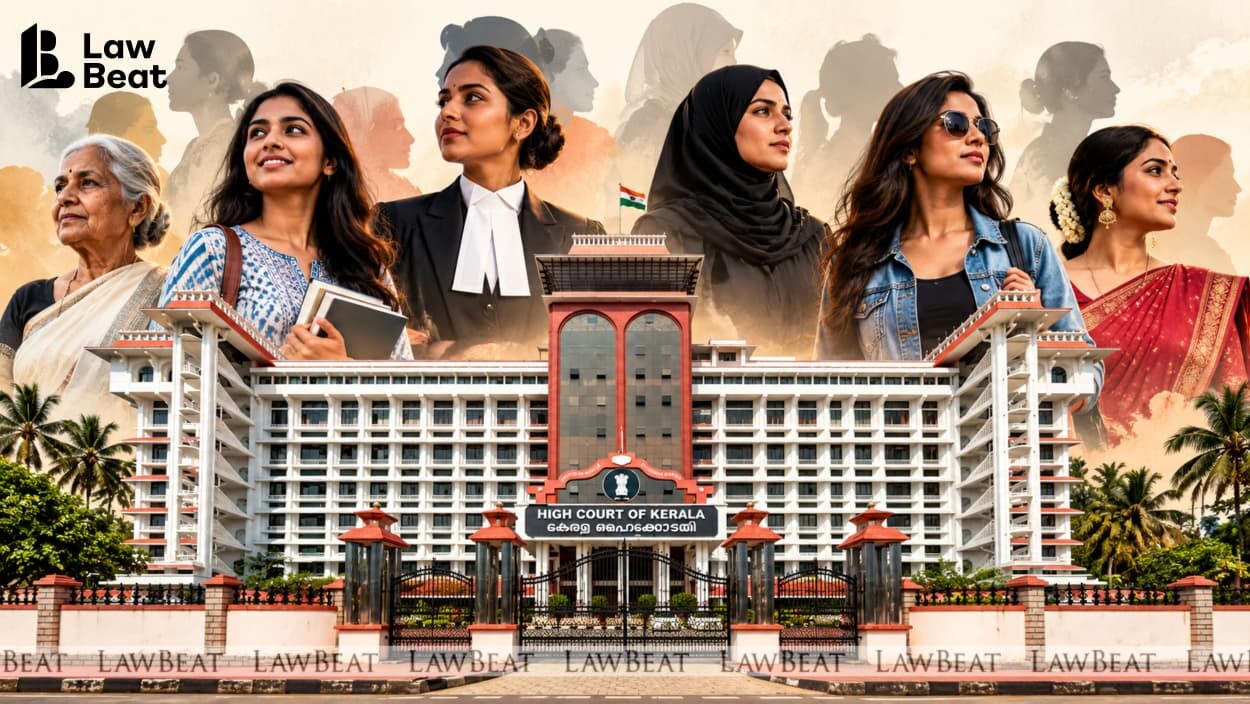
Kerala High Court: Dress Code a Fundamental Right, Attire Choice Protected
Summary
- The Kerala High Court ruled that a citizen's choice of attire is a fundamental right, not subject to dictation without legal backing.
- The ruling stemmed from a writ petition filed by Sindhu S Nair, a headmistress, who was barred from school for wearing a churidar by the school manager.
- Justice P V Kunhikrishnan emphasized that personal dignity is not contingent on conforming to others' preferred clothing styles.
- The court directed police to ensure the headmistress's unhindered entry to school and affirmed that the manager could not interfere with her attire choice, which was permitted by a 2015 circular.
A Headmistress's Stand
The Constitution does not make a woman's dignity contingent on her conformity with another person’s preferred mode of attire.
The Kerala High Court recently addressed a dispute involving a school headmistress whose choice of attire became the subject of contention. Sindhu S Nair, 50, the headmistress of Eeswara Vilasom High School in Kottarakkara, filed a writ petition after encountering resistance from the school's manager regarding her decision to wear a churidar instead of a saree.
According to Ms. Nair's petition, on February 3, 2026, the school manager, Suresh Kumar (identified as the sixth respondent), entered her office and explicitly instructed her not to wear a churidar to school. She further alleged that he then summoned a security guard in her presence, directing the guard to prevent her entry if she appeared in the prohibited attire. The following day, February 4, the security guard indeed stopped her at the school gate for wearing a a churidar. Ms. Nair subsequently reported the incident to the Station House Officer (SHO) in Kottarakkara, who intervened to facilitate her entry into the school premises. An FIR was later registered against the manager concerning these events.
In her defense, Ms. Nair cited a 2015 circular issued by the General Education Department, which explicitly permits teachers to wear a churidar. Conversely, the manager, Mr. Kumar, submitted a counter affidavit denying all allegations. He characterized Ms. Nair's account as a "fabricated story," asserting that he had never imposed a dress code nor authorized any security staff to monitor the headmistress's clothing. He contended that Ms. Nair had concocted the narrative to deflect from her own alleged dereliction of duty in ongoing disciplinary proceedings. This Sindhu S Nair churidar case brought the issue of personal attire choice in professional settings to the forefront.
Upholding Personal Liberty
In a significant ruling, the Kerala High Court, through Justice P V Kunhikrishnan, declared that no individual or societal group can dictate a citizen's attire without explicit legal backing. The court unequivocally stated that the choice of clothing constitutes a fundamental right, which cannot be arbitrarily restricted. This landmark decision underscores the principle that personal liberty extends to an individual's sartorial selections, establishing a crucial precedent regarding the Kerala High Court dress code fundamental right.
Justice Kunhikrishnan observed that while clothing can reflect culture, comfort, and individual preference, it should not typically serve as a metric for a person's inherent worth or dignity. The court emphasized that the Indian Constitution does not link a woman's dignity to her adherence to another person’s preferred mode of dress. It firmly asserted that dress is a deeply personal choice, immune to restriction or dictation from external parties. This ruling reinforces the idea that an individual's dignity and cultural expression through attire are matters for personal determination, not societal imposition.
The Right to Choose Attire
The court clarified that the underlying dispute transcended a mere preference between a saree and a churidar. Justice Kunhikrishnan articulated that the core question was whether a manager could elevate their personal preferences into a mandatory directive. He noted that while a saree might be considered graceful by some, its perceived dignity cannot be forcibly transformed into a compulsory uniform based on individual taste. The judgment highlighted that a churidar, when worn appropriately in a professional environment, does not diminish a headmistress's competence, decorum, or authority. This perspective strongly supports the right to choose attire India, affirming personal liberty dress choice.
The ruling further stressed that the determination of an attire's dignity and cultural tradition rests solely with the individual wearing it, rather than being dictated by broader societal norms. Justice Kunhikrishnan concluded that no one possesses the authority to mandate a specific dress code unless such a requirement is explicitly supported by law, particularly in the context of an institution or establishment. This legal stance provides a clear framework for evaluating dress code policies against the backdrop of fundamental rights.
Broader Implications for Institutions
Following its comprehensive analysis, the Kerala High Court issued specific directives to resolve the immediate conflict and establish a clear path forward. The court affirmed that the manager, Suresh Kumar, lacked the authority to interfere with Ms. Nair's choice of attire, especially given that the 2015 circular already permitted teachers to wear churidars. This aspect of the school headmistress dress code ruling directly addressed the manager's overreach.
To ensure Ms. Nair's unhindered professional life, the court instructed the Station House Officer (SHO) of Kottarakkara to guarantee her free entry into the school premises, without any obstruction from the manager, for the duration of her service. This directive effectively continued an interim order issued on February 17, which had previously granted police protection to the headmistress. However, Justice P V Kunhikrishnan's dress code ruling deliberately refrained from commenting on Ms. Nair's request to disqualify the manager or on the manager's counsel's claims regarding her alleged dereliction of duty and the issuance of notices. The court focused squarely on the fundamental right to choose attire, setting a significant precedent for personal liberty in professional settings across India.
Practical Implications
This ruling establishes a precedent that individuals, including employees in institutions, have a fundamental right to choose their attire, which cannot be restricted without clear legal backing. Lawyers should advise employers and institutions in India to review their dress code policies to ensure they are legally justifiable and do not infringe on personal liberty, while compliance officers should be aware of this ruling when developing or enforcing workplace conduct guidelines.
Source
How does this affect you?
Get an AI analysis of this article grounded in your jurisdictions, practice areas, and any policy documents you've uploaded to Wansom.
Finish Reading the Full Story and the Expert Analysis.
Get the latest legal & regulatory intelligence in India
Wansom is AI and can make mistakes.