
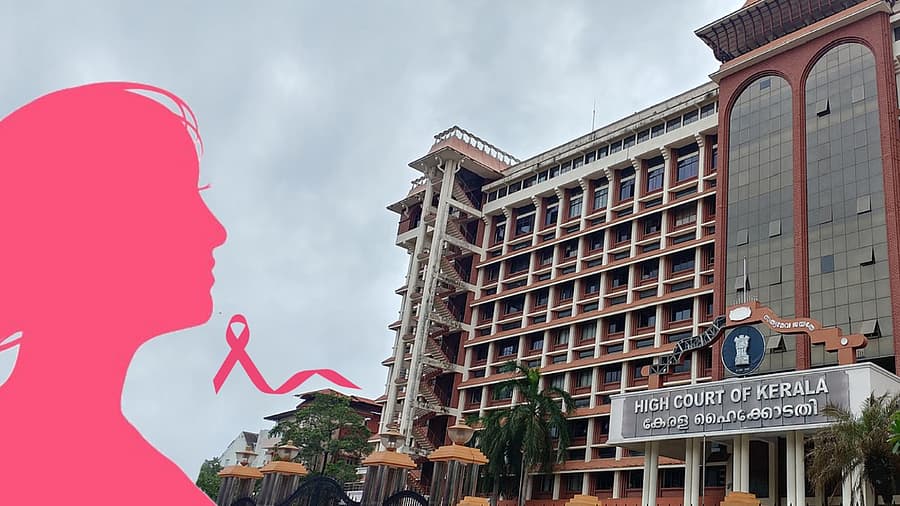
Kerala High Court: Govt Can Compulsory License Breast Cancer Drugs
Summary
- The Kerala High Court suggested the Central government invoke the Patents Act, 1970, to improve access to expensive breast cancer drugs.
- Justice Harisankar V Menon stated Section 100 of the Act allows the government to use a patent for non-commercial manufacturing and sale of medicines.
- The court ruled that Section 100 should be invoked when patented medicines are sold at exorbitant prices, requiring government intervention.
- The government must collect data on drug affordability and decide on the necessity of intervention before proceeding under Section 100.
- Section 100 empowers compulsory licenses for public, non-commercial use, enabling manufacturing of patented products without patent holder permission.
Judicial Call for Drug Affordability
The court's ruling underscores that Section 100 is intended for situations demanding government intervention, particularly when patented medicines are sold at exorbitant prices.
The Kerala High Court recently issued a significant suggestion, indicating that the Central government possesses the authority to intervene in the market for high-cost patented medicines. On Monday, Justice Harisankar V Menon highlighted the potential for the government to utilize provisions within the Patents Act, 1970, to enhance access to expensive breast cancer drugs. This intervention aims to address the challenge of heavily priced pharmaceutical products, particularly those under patent protection, which can limit patient access.
The court's pronouncement centered on the premise that the government's powers under the Patents Act, 1970, specifically Section 100, could be invoked to ensure drug affordability. This ruling by the Kerala High Court signals a judicial endorsement for government action in cases where patented medicines are deemed excessively expensive, thereby impacting public health and access to essential treatments. The focus on breast cancer drugs underscores the critical nature of the issue, given the life-saving potential of these medications.
Understanding Compulsory Licensing Under Section 100
Justice Harisankar V Menon's observations clarified that Section 100 of the Patents Act, 1970, India, grants the government the right to use a patent or invention. This entitlement extends to manufacturing the patented medicine and subsequently selling it to individuals, including needy patients, on a non-commercial basis. The court explicitly stated that this provision should be activated in circumstances necessitating government intervention, such as when a patented medicine is being sold at an exorbitant price, making it inaccessible to a significant portion of the population.
The ruling further stipulated that before proceeding under Section 100, the government is obligated to gather relevant data and make an informed decision regarding the affordability of a particular medicine. Should this assessment confirm the necessity for intervention, the government can then proceed in accordance with the Act. Section 100 broadly empowers the Central government to issue compulsory licenses in situations of national emergency, extreme urgency, or for public, non-commercial use patent India, effectively allowing other entities to manufacture a patented product without requiring the patent holder's explicit permission. This mechanism is crucial for addressing public health crises or ensuring access to vital drugs.
Implications for Pharmaceutical Patents in India
This Kerala High Court patent intervention carries substantial implications for pharmaceutical companies holding patents in India, particularly those marketing high-value drugs. The ruling establishes a precedent that could influence future government actions concerning drug affordability compulsory license India. It suggests that judicial bodies are prepared to support the invocation of compulsory licensing mechanisms when public interest, particularly in health, is at stake due to high drug prices.
While a detailed order from Justice Harisankar V Menon is still awaited, the current pronouncement from the Kerala High Court indicates a clear judicial stance on the government's role in ensuring access to essential medicines. This development highlights the ongoing tension between patent protection and public health imperatives, urging pharmaceutical companies to monitor potential government actions under Section 100 of the Patents Act, 1970, India, and consider its impact on their market access and pricing strategies for patented medicines.
Practical Implications
Pharmaceutical companies holding patents in India, particularly for high-cost drugs, should monitor potential government actions under Section 100 of the Patents Act, 1970. This ruling signals judicial support for compulsory licensing in cases of drug unaffordability, creating a precedent that could impact patent enforcement and market access strategies for patented medicines in India.
Source
How does this affect you?
Get an AI analysis of this article grounded in your jurisdictions, practice areas, and any policy documents you've uploaded to Wansom.
Finish Reading the Full Story and the Expert Analysis.
Get the latest legal & regulatory intelligence in India
Wansom is AI and can make mistakes.