
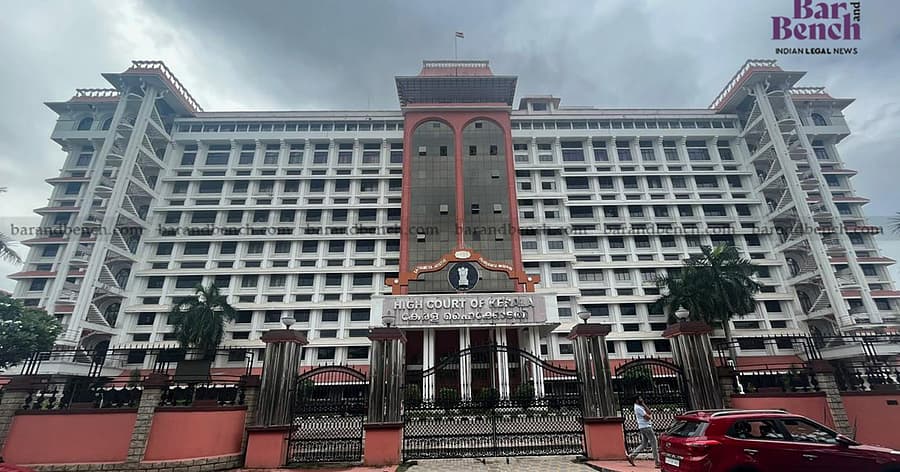
Kerala High Court Bench Split on Byju's Insolvency Stay Order
On Thursday, a division bench of the Kerala High Court experienced an unusual procedural issue when Justice Johnson John, the junior judge, expressed strong objection to the out-of-turn listing of a review petition related to Byju's insolvency proceedings, despite an earlier order explicitly scheduling it for November 6, leading to a split decision on whether to grant a stay.
This incident highlights critical issues of judicial process, case management, and the integrity of court listings, particularly in high-stakes insolvency matters. It underscores the importance of adherence to procedural orders and transparency in court administration, which can impact litigant confidence and the perceived fairness of proceedings. For practitioners, it signals potential challenges in predicting case timelines and the need for vigilance regarding procedural irregularities, especially when dealing with complex corporate insolvency cases where timely hearings can be crucial.
The matter involves insolvency proceedings against Think and Learn Private Limited (Byju's), indicating the application of India's Insolvency and Bankruptcy Code, 2016 (IBC). The case is before the Kerala High Court, a superior court in the Indian judicial hierarchy, exercising its writ jurisdiction and review powers. The specific procedural issue revolves around the court's inherent power to manage its docket and the sanctity of judicial orders regarding listing. The "division bench" structure is common in High Courts for hearing appeals and complex matters, and a "split decision" on a stay order means the matter will likely be referred to a larger bench or a different judge for resolution on that specific point. The review petition itself is a mechanism for a court to reconsider its own decision, typically on grounds of error apparent on the face of the record.
The key parties involved are the Kerala High Court (specifically Justice Johnson John and another unnamed judge), Think and Learn Private Limited (Byju's), and Voizzit Technology, which is a creditor and the review petitioner. The outcome of the stay order is not yet reported, as the judges had divergent opinions.
Attorneys involved in high-profile corporate insolvency cases, particularly those before High Courts, should meticulously track case listings and be prepared to address any procedural anomalies. This incident underscores the need for robust internal case management systems and potentially proactive communication with court registries to ensure adherence to scheduled hearing dates. Furthermore, practitioners should be aware that judicial disagreements on procedural matters, such as granting interim relief, can lead to delays or require further judicial intervention, impacting case strategy and client expectations. Practitioners should monitor how the court resolves the procedural dispute and the substantive review petition.
How does this affect you?
Get an AI analysis of this article grounded in your jurisdictions, practice areas, and any policy documents you've uploaded to Wansom.
Finish Reading the Full Story and the Expert Analysis.
Wansom is AI and can make mistakes.