
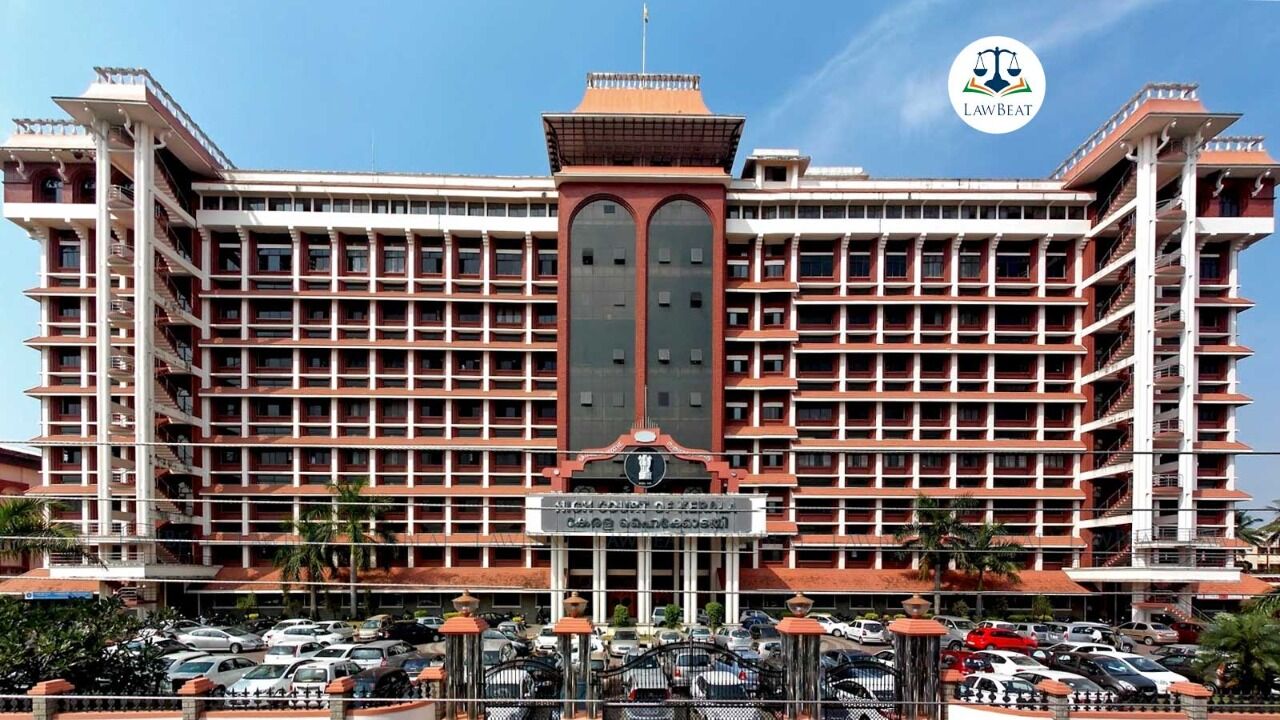
Kerala High Court: Reserves Order on SNDP Scam Prosecution Sanction
Summary
- The Kerala High Court has reserved its order on whether prior government sanction is mandatory for prosecuting individuals in the alleged ₹15.85-crore SNDP microfinance fraud.
- The central legal question is if Sree Narayana Dharma Paripalana Yogam (SNDP) office-bearers, including Vellappally Natesan, qualify as "public servants" under the Prevention of Corruption Act.
- The State government argues no sanction is needed, considering SNDP a private entity, while petitioners and the Vigilance Bureau contend the accused meet the statutory definition.
- A departmental order on September 17 stated sanction was unnecessary, but Vigilance maintained its stance, prompting the High Court to examine the statutory question directly.
- This ruling will clarify the scope of "public servant" under the Prevention of Corruption Act, affecting future corruption prosecutions involving entities receiving public funds.
Court Reserves Ruling on Key Corruption Case
The High Court's forthcoming decision will significantly clarify the scope of 'public servant' under the Prevention of Corruption Act, impacting future prosecutions involving organizations that receive public funding.
The Kerala High Court, under Justice A. Badharudeen, has reserved its order concerning a pivotal legal question in the alleged ₹15.85-crore SNDP microfinance fraud. The court's decision will determine whether prior government sanction is a mandatory prerequisite for prosecuting individuals implicated in the case. This complex matter stems from a 2016 investigation by the Vigilance and Anti-Corruption Bureau (VACB) into alleged misappropriation of funds linked to a microfinance scheme involving the Sree Narayana Dharma Paripalana (SNDP) Yogam.
Among those named in the ongoing proceedings are several office-bearers of the SNDP Yogam, including Vellappally Natesan, alongside former Managing Directors of the Kerala State Backward Classes Development Corporation Ltd. (KSBCDC). The petitions currently before Justice Badharudeen are primarily focused on securing an effective and thorough investigation into the reported irregularities that have plagued the microfinance initiative. The outcome of this specific legal point, regarding the necessity of sanction, is crucial for the progression of the broader Kerala HC SNDP scam prosecution sanction efforts.
Defining 'Public Servant' Under PCA
At the heart of the legal contention lies Section 19 of the Prevention of Corruption Act, 1988, which stipulates that previous sanction is required before a court can take cognisance of certain offences committed by a "public servant." The core dispute centers on whether the accused, particularly the SNDP office-bearers, fall within this statutory definition. The State government has asserted before the High Court that no prosecution sanction is necessary for these individuals, arguing they are private citizens and do not meet the criteria for a "public servant" under the Act.
The State Attorney further elaborated that the KSBCDC had extended loans to the SNDP in its capacity as a non-governmental organization, rather than treating it as a governmental agency or a nodal authority. Conversely, the petitioner maintains that the accused are indeed covered by the definition of "public servant" as outlined in Section 2(c)(xii) of the Prevention of Corruption Act, thereby necessitating prior sanction for their prosecution. This position is also supported by the Vigilance Special Public Prosecutor, highlighting a significant divergence in legal interpretation regarding the public servant definition PCA.
Departmental Stance and Court's Intervention
The issue of prosecution sanction gained prominence when the investigating agency indicated its readiness to file final reports in several cases related to the SNDP microfinance fraud prosecution, but noted that sanction would be required in certain instances. Earlier, the High Court had instructed the competent authority within the Backward Classes Development Department to address the sanction question by September 10. However, a delay in complying with this directive prompted the Court to summon the Additional Chief Secretary and express its dissatisfaction with the handling of the matter.
Subsequently, on September 17, the Backward Classes Development Department issued an order concluding that sanction was not required, based on its assessment that the individuals concerned were private parties. Despite this departmental stance, the Vigilance side continued to advocate for the necessity of sanction, leading the High Court to undertake a direct examination of the fundamental statutory question itself. This intervention underscores the judiciary's role in resolving critical legal ambiguities, particularly concerning the application of Prevention of Corruption Act Section 19.
Broader Implications for Corruption Prosecutions
The High Court's forthcoming decision will significantly clarify the scope of 'public servant' under the Prevention of Corruption Act, impacting future prosecutions involving organizations that receive public funding. This ruling holds substantial implications for how corruption cases are pursued against individuals associated with non-governmental entities or bodies that operate with government support or funds. The outcome will provide crucial guidance on whether such individuals, like those implicated in the KSBCDC microfinance scam, can be considered public servants for the purpose of requiring prior prosecution sanction.
Legal professionals will closely monitor this judgment to assess potential shifts in prosecution risks and defense strategies in corruption cases that involve organizations operating in a hybrid public-private capacity. The case, formally titled MS Anil v State of Kerala & Anr, is poised to set an important precedent.
Practical Implications
This ruling will clarify the scope of 'public servant' under the Prevention of Corruption Act, impacting whether prior government sanction is required for prosecuting individuals associated with NGOs or entities receiving public funds. Lawyers must monitor this decision to assess prosecution risks and defense strategies in corruption cases involving such bodies.
Source
Source: Based on original reporting.
How does this affect you?
Get an AI analysis of this article grounded in your jurisdictions, practice areas, and any policy documents you've uploaded to Wansom.
Finish Reading the Full Story and the Expert Analysis.
Get the latest legal & regulatory intelligence in India
Wansom is AI and can make mistakes.