
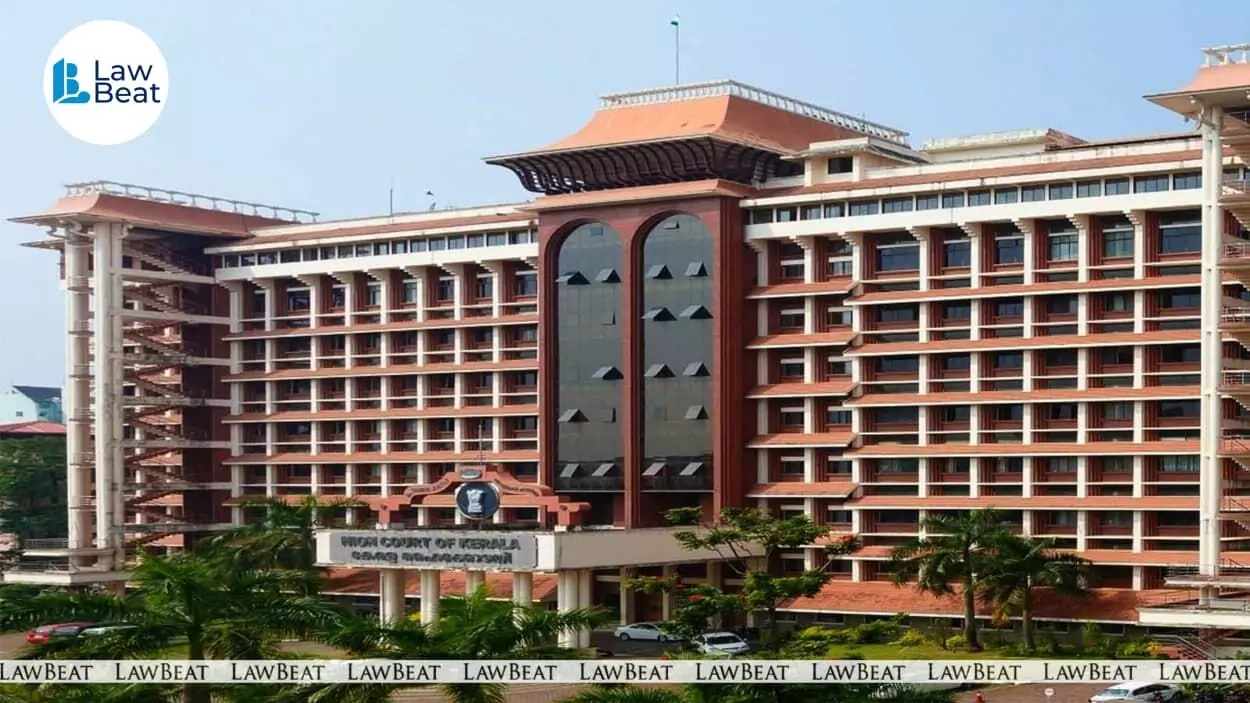
Kerala High Court: Political Activities Banned at Sree Sankaracharya University
Summary
- The Kerala High Court set aside an interim order that allowed 16 suspended students from Sree Sankaracharya University of Sanskrit to take examinations.
- The court reiterated that political activities like dharnas and hunger strikes have no place in educational institutions.
- The university had suspended the students following incidents on campus on August 13, which led to two FIRs.
- The court found that the students failed to meet examination eligibility criteria and did not properly plead their case or apply for attendance condonation.
- The ruling emphasized that parties approaching constitutional courts must plead and substantiate facts to establish legal entitlement.
Court Overturns Interim Relief for Suspended Students
The Kerala High Court emphatically reiterated its long-standing position that political activities, including dharnas, hunger strikes, and satyagraha, are inappropriate within educational institutions and a constitutional democracy.
The Kerala High Court recently intervened in a dispute involving Sree Sankaracharya University of Sanskrit, Kalady, setting aside an interim order that had permitted 16 suspended students to participate in university examinations. A division bench, comprising Justices Anil K. Narendran and Muralee Krishna S., ruled in favor of the university, its Syndicate, and Vice-Chancellor, who had appealed a Single Judge's directive issued on October 30. This earlier order had instructed the institution to accept examination fees from the students and allow them to sit for exams, contingent on the final outcome of their pending writ petition.
The 16 students had initially approached the High Court to challenge their suspension, which was imposed via an order dated September 1. This disciplinary action was taken pending an inquiry into alleged incidents that occurred on the university campus on August 13, leading to the registration of two First Information Reports (FIRs) at the Kalady Police Station. The students contended that their prolonged suspension, without the conclusion of disciplinary proceedings, was unlawful and had unfairly prevented them from attending classes, resulting in significant academic detriment. They further argued that any resulting attendance shortage should not disqualify them from examinations, given that the university itself had precluded their class attendance.
Firm Stance Against Campus Political Activities
In its decision, the Kerala High Court emphatically reiterated its long-standing position that political activities, including dharnas, hunger strikes, and satyagraha, are inappropriate within educational institutions and a constitutional democracy. The bench underscored that students who engage in such actions on campus could face severe disciplinary measures, including expulsion or rustication. This observation aligns with a previous division bench ruling from 2017, Dr. Antony Thomas v. V.M. Muhammed Rafique, which clearly stated that educational institutions are fundamentally dedicated to imparting education, not serving as arenas for political maneuvering.
The court further emphasized that political parties should not, through their ambitions, disrupt the functioning of educational institutions or infringe upon the right of other students to pursue their studies without hindrance. To reinforce this principle, the judgment referenced Dr. B.R. Ambedkar's speech delivered to the Constituent Assembly on November 25, 1949. In this historic address, Ambedkar advocated for the use of constitutional methods to achieve social and economic objectives, cautioning against civil disobedience, non-cooperation, and satyagraha when legitimate constitutional avenues are available, famously labeling such methods as the "Grammar of Anarchy."
Adherence to Eligibility and Pleading Requirements
The university, in its defense, countered the students' claims by asserting that they did not meet the necessary eligibility requirements for appearing in the examinations. Specifically, the institution highlighted deficiencies in minimum attendance and the successful completion of internal examinations. Crucially, the university also pointed out that the students had failed to submit either their examination applications or applications for condonation of attendance shortage in strict accordance with the prescribed regulations.
Accepting these arguments, the division bench observed that the writ petition filed by the students lacked sufficient pleadings to establish their eligibility for the examinations. This included a failure to demonstrate compliance with minimum attendance requirements and internal assessment criteria. Furthermore, the court noted that none of the students had submitted the required applications for condonation of attendance shortage, which must be supported by specific documents and recommendations from their respective Heads of Departments or Directors of Centres. The court relied on the Supreme Court's decision in Bharat Singh v. State of Haryana (1988), reaffirming that parties seeking relief from constitutional courts must adequately plead and substantiate the facts essential to establish their legal entitlement.
Implications for Educational Institutions and Students
This ruling by the Kerala High Court sends a clear message regarding the boundaries of political activity within academic settings and the procedural rigor expected from students challenging disciplinary actions. It reinforces the principle that educational institutions are primarily for learning, and disruptive political engagements can have serious consequences for students, including suspension or expulsion. The decision also highlights the critical importance for students to adhere to all university regulations concerning examination eligibility, including attendance requirements and the proper submission of all necessary applications, such as those for condonation of attendance.
For legal practitioners and educational institutions, the judgment underscores the necessity of meticulous pleading when seeking judicial intervention. The court's reliance on precedents like Dr. Antony Thomas v. V.M. Muhammed Rafique and Bharat Singh v. State of Haryana emphasizes that courts will not grant relief if petitioners fail to adequately establish their factual and legal grounds. This case serves as a reminder that while students have rights, these are balanced against institutional rules and the need for a conducive academic environment, and any challenge must be procedurally sound and factually supported.
Practical Implications
Lawyers advising educational institutions or students should note the reinforced judicial stance against political activities on campus and the strict adherence required to university regulations and proper pleading when challenging disciplinary actions or seeking examination relief in court. This ruling emphasizes that courts will not grant relief if procedural requirements, such as minimum attendance or proper application for condonation, are not met and properly pleaded.
Source
How does this affect you?
Get an AI analysis of this article grounded in your jurisdictions, practice areas, and any policy documents you've uploaded to Wansom.
Wansom is AI and can make mistakes.