
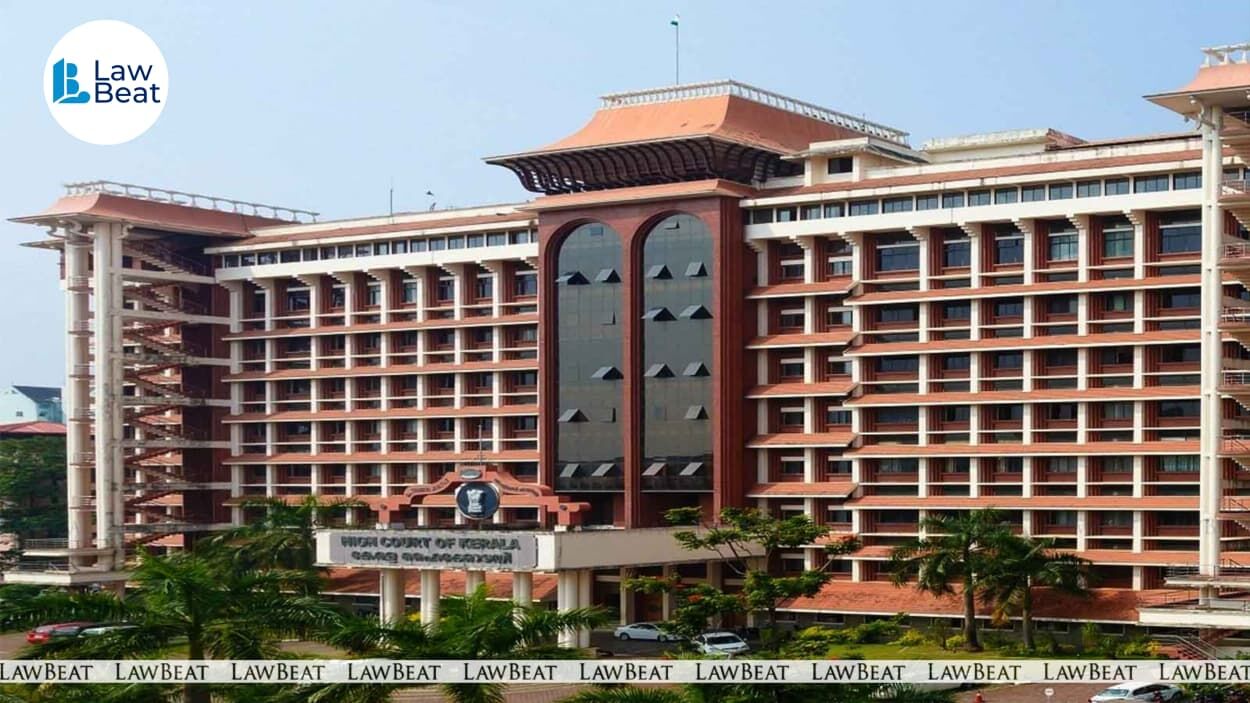
Kerala High Court: National Flag Saffron Down Needs Mens Rea
Summary
- The Kerala High Court ruled that accidentally displaying the Indian National Flag 'saffron down' without intent to insult is not an offense under the Prevention of Insults to National Honour Act, 1971.
- Justice A. Badharudeen quashed criminal proceedings against Mohammed Kasim H.K., who was accused after a photograph of him holding the flag incorrectly was shared in a WhatsApp group.
- The court clarified that intentional display of the flag 'saffron down' with a view to insult the National Flag and Constitution remains a punishable offense under Section 2 of the Act.
- A private WhatsApp group with multiple members can be considered a 'place within public view' for the purposes of the Act, broadening the scope of digital content sharing under the law.
- The ruling emphasizes the critical role of *mens rea* (criminal intent) in prosecuting cases of alleged flag insult in India.
Court Quashes Proceedings Over Accidental Flag Display
An accidental display of the Indian National Flag with the saffron color facing downwards, in the absence of any deliberate intent or *mens rea* to insult the national symbol, does not constitute an offense under Section 2 of the Prevention of Insults to National Honour Act, 1971.
The Kerala High Court recently intervened to quash criminal proceedings against a Lakshadweep resident, Mohammed Kasim H.K., who faced accusations of insulting the Indian National Flag. The case stemmed from a photograph depicting Kasim holding the national flag with its saffron band oriented downwards. This ruling by Justice A. Badharudeen clarifies a critical aspect of the Prevention of Insults to National Honour Act, 1971, particularly regarding the necessity of intent, or *mens rea*, for an offense to be established.
The initial complaint against Kasim was registered *suo motu* on August 14, 2022, after police received information through a WhatsApp group named “M.G.College.” A member of the group, Ameen, had forwarded the photograph in question. Following this, law enforcement officials recorded statements from eight witnesses who confirmed seeing the image, leading to a final report alleging a violation under Section 2 of the aforementioned Act.
Kasim subsequently petitioned the High Court under Section 482 of the Criminal Procedure Code to have the proceedings against him dismissed. His legal counsel argued that the photograph was taken at his residence in Kozhikode while he and his wife were participating in the “Har Ghar Tiranga” initiative. The image was then shared within a private WhatsApp group comprising BJP members from Lakshadweep. The defense maintained that the inverted display of the saffron color was entirely inadvertent, asserting that there was no intention to disrespect or insult the National Flag.
Mens Rea is Key for Flag Insult Charges
In its significant pronouncement, the Kerala High Court established that an accidental display of the Indian National Flag with the saffron color facing downwards, in the absence of any deliberate intent or *mens rea* to insult the national symbol, does not constitute an offense under Section 2 of the Prevention of Insults to National Honour Act, 1971. Justice A. Badharudeen underscored that while the intentional display of the National Flag with the saffron band inverted, specifically with the purpose of insulting the Flag and the Constitution of India, remains a punishable offense under the Act, an unintentional error does not.
This distinction is crucial for understanding the application of the law. Section 2 of the Prevention of Insults to National Honour Act, 1971, specifically addresses "Insult to Indian National Flag and Constitution of India." The High Court referenced Explanation 4 to Section 2, which delineates what constitutes disrespect to the National Flag. Clause (l) of this explanation explicitly states that "intentionally displaying the Indian National Flag with the 'saffron down'" is indeed an act of disrespect. Therefore, the court's ruling hinges on the presence or absence of this deliberate intent.
The court's decision to quash the proceedings against Mohammed Kasim H.K. directly reflects this interpretation, acknowledging that the prosecution had not alleged an intentional act of disrespect. This provides a vital legal defense for individuals who might inadvertently display the flag incorrectly without malicious intent, clarifying that accidental flag disrespect in India, without the requisite *mens rea*, does not warrant criminal charges.
Digital Platforms and the Definition of 'Public View'
A secondary, yet equally significant, aspect of the Kerala High Court's ruling concerned the interpretation of "public view" in the context of digital communication platforms. Mohammed Kasim H.K.'s defense contended that since the photograph was shared exclusively within a private WhatsApp group, it could not be considered to have been displayed in a public place or within public view, as required by Section 2 of the Prevention of Insults to National Honour Act, 1971.
However, Justice A. Badharudeen did not accept this argument. The court noted that while the Act provides a definition for a "public place," the phrase "in any other place within public view" is not explicitly defined. Drawing a clear distinction between these two expressions, the court observed that a location considered to be within public view could encompass a private setting where the public's presence or access to observe the proceedings is feasible.
Consequently, the Kerala High Court ruled that even a private WhatsApp group, particularly one with multiple participants or members, would qualify as a "place within public view" for the purposes of the 1971 Act. This broadens the WhatsApp group public view legal definition, indicating that content shared on such digital platforms can fall under the purview of laws designed to prevent public insults, irrespective of the group's 'private' designation.
Legal Framework and Penalties
The Prevention of Insults to National Honour Act, 1971, specifically Section 2, outlines various actions considered disrespectful to the Indian National Flag and the Constitution. These include, but are not limited to, burning, mutilating, defacing, defiling, disfiguring, destroying, or trampling upon the National Flag, or otherwise showing it disrespect or bringing it into contempt. The law applies to such acts committed in a public place or any other location deemed to be within public view.
Violations of this section carry significant penalties. An individual found guilty of insulting the National Flag or the Constitution can face imprisonment for a term that may extend up to three years. Additionally, offenders may be subject to a fine, or both imprisonment and a fine. The Kerala High Court's ruling, while emphasizing the critical role of *mens rea* for the specific offense of displaying the flag saffron down, reaffirms the severe consequences for intentional acts of disrespect.
This judgment by the Kerala High Court, delivered by Justice A. Badharudeen, provides crucial clarity on the application of the Prevention of Insults to National Honour Act, 1971. It distinguishes between accidental errors and deliberate acts of disrespect, particularly concerning the Kerala HC national flag saffron down mens rea aspect, while simultaneously expanding the legal interpretation of 'public view' to include widely used digital communication platforms.
Practical Implications
This ruling clarifies the critical role of *mens rea* in charges under the Prevention of Insults to National Honour Act, 1971, providing a defense for accidental flag display errors. It also broadens the interpretation of 'public view' to include private digital platforms like WhatsApp groups, impacting how digital content sharing is assessed in legal contexts.
Source
How does this affect you?
Get an AI analysis of this article grounded in your jurisdictions, practice areas, and any policy documents you've uploaded to Wansom.
Finish Reading the Full Story and the Expert Analysis.
Get the latest legal & regulatory intelligence in India
Wansom is AI and can make mistakes.