
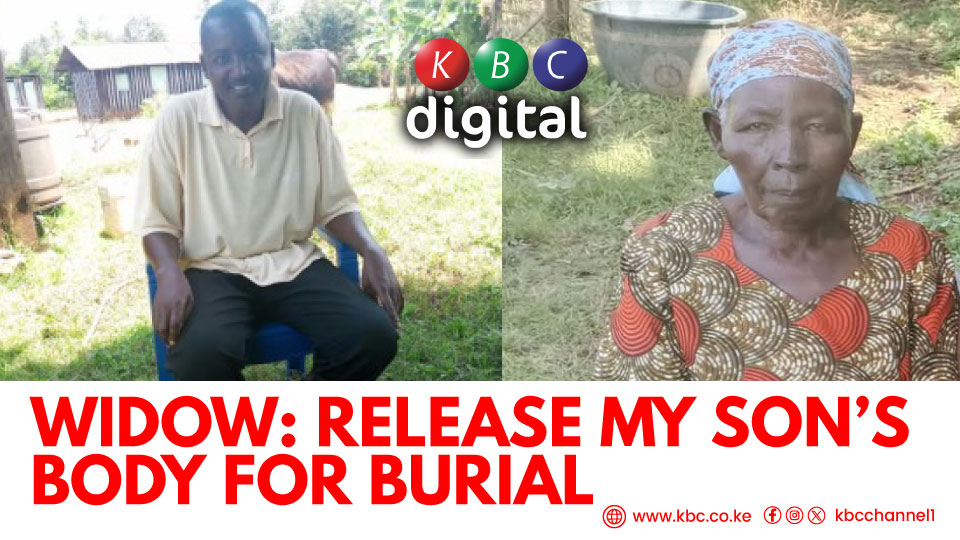
KUTRRH: Meru Widow Appeals in Body Release Dispute
Summary
- An 80-year-old widow, Hellena Kigetu Ntwomo, is appealing to Kenyatta University Teaching, Referral, and Research Hospital (KUTRRH) for the release of her son's body.
- Her son, Benjamin Ntombura, was 52 years old, and his body has been held at the hospital's mortuary.
- The family, residing in Miruriine village, Meru county, seeks to bury Mr. Ntombura.
- This case highlights the ongoing legal and ethical challenges surrounding hospital deceased body release in Kenya, particularly concerning alleged unpaid bills.
- The dispute underscores the emotional distress and cultural significance of timely burial for next-of-kin.
Elderly Widow's Plea for Son's Body Release
Kenyan courts have consistently ruled that hospitals cannot lawfully hold a deceased person's body as collateral for unpaid medical bills, declaring such detention unconstitutional and affirming that there is no property in a dead body.
An 80-year-old widow, Hellena Kigetu Ntwomo, residing in Miruriine village within Gachua Location, Giaki Division, North Imenti Sub-County, Meru county, has publicly appealed to the Kenyatta University Teaching, Referral, and Research Hospital (KUTRRH) for the release of her son's remains. The distraught mother is seeking to facilitate the burial of her 52-year-old son, Benjamin Ntombura, whose body has reportedly been held at the hospital's mortuary.
Mrs. Ntwomo, described as ailing, has voiced her distress over the prolonged detention of her son's body. The appeal underscores the emotional and cultural urgency associated with the timely release of deceased loved ones for proper burial rites, a deeply ingrained tradition within Kenyan communities. The specific reasons for the body's retention by KUTRRH were not detailed in the initial report, but such disputes often revolve around outstanding medical bills or administrative processes.
Legal Framework Surrounding Deceased Body Release in Kenya
The case of Benjamin Ntombura's body at KUTRRH highlights a recurring challenge in Kenya concerning the release of deceased persons from hospital custody. While hospitals often retain bodies due to unpaid medical expenses, the legal grounds for such detentions are frequently debated. Kenyan courts have consistently ruled that hospitals cannot lawfully hold a deceased person's body as collateral for unpaid medical bills, declaring such detention unconstitutional and affirming that there is no property in a dead body. This clarifies the legal position, moving beyond the previous complex legal and ethical dilemmas for both institutions and grieving families.
Legal experts often point to the Public Health Act, which primarily addresses the disposal of bodies for public health reasons, and the general principles of contract law for services rendered. However, the right to a dignified burial is a fundamental aspect of human rights and cultural practice. This often places the rights of next-of-kin to bury their deceased relative in tension with a hospital's financial claims, prompting lawyers to scrutinize the specific legal provisions, or lack thereof, that govern such situations and the rights of families seeking the release of their loved ones.
Broader Implications of Hospital Body Retention Disputes
The ongoing dispute over the release of Benjamin Ntombura's body from KUTRRH serves as a poignant public example of the broader issue of hospital deceased body release in Kenya. For families like Hellena Kigetu Ntwomo's, the inability to bury a loved one due to institutional retention causes immense emotional suffering and can exacerbate financial burdens, particularly for vulnerable individuals like an ailing 80-year-old widow.
Such cases underscore the need for clearer legal guidelines and compassionate institutional policies regarding the handling of deceased persons' remains. The protracted nature of these disputes not only impacts the immediate families but also raises questions about access to justice and the ethical responsibilities of healthcare providers. This particular KUTRRH body release dispute in Meru brings into focus the challenges faced by many Kenyans in navigating the often-complex process of securing a dignified burial for their kin.
Practical Implications
This case serves as a public example of disputes over the release of deceased persons' bodies from hospitals in Kenya, prompting lawyers to consider the legal grounds for such detentions and the rights of next-of-kin.
Source
How does this affect you?
Get an AI analysis of this article grounded in your jurisdictions, practice areas, and any policy documents you've uploaded to Wansom.
Finish Reading the Full Story and the Expert Analysis.
Get the latest legal & regulatory intelligence in Kenya
Wansom is AI and can make mistakes.