
LSK Kenya: Targeted Court Boycott Continuation Demanded Until Reforms
Summary
- The Law Society of Kenya (LSK) has reaffirmed its targeted boycott of specific courts and judicial officers, citing stalled judicial accountability reforms.
- LSK President Charles Kanjama announced the continuation of the boycott, which affects approximately fifteen judicial officers, including six Supreme Court judges.
- The boycott is linked to outstanding issues such as delays in an electronic complaint-tracking system and slow progress on court integrity committees.
- Kanjama clarified that the boycott does not imply guilt for affected judges but urges them to defend their innocence before the Judicial Service Commission.
- Separately, the LSK is initiating a crackdown on individuals practicing law without proper qualifications to protect the public and uphold professional standards.
LSK Reaffirms Court Boycott
What we are telling them is that you have not been found liable or guilty. Please go and defend your innocence before the Judicial Service Commission.
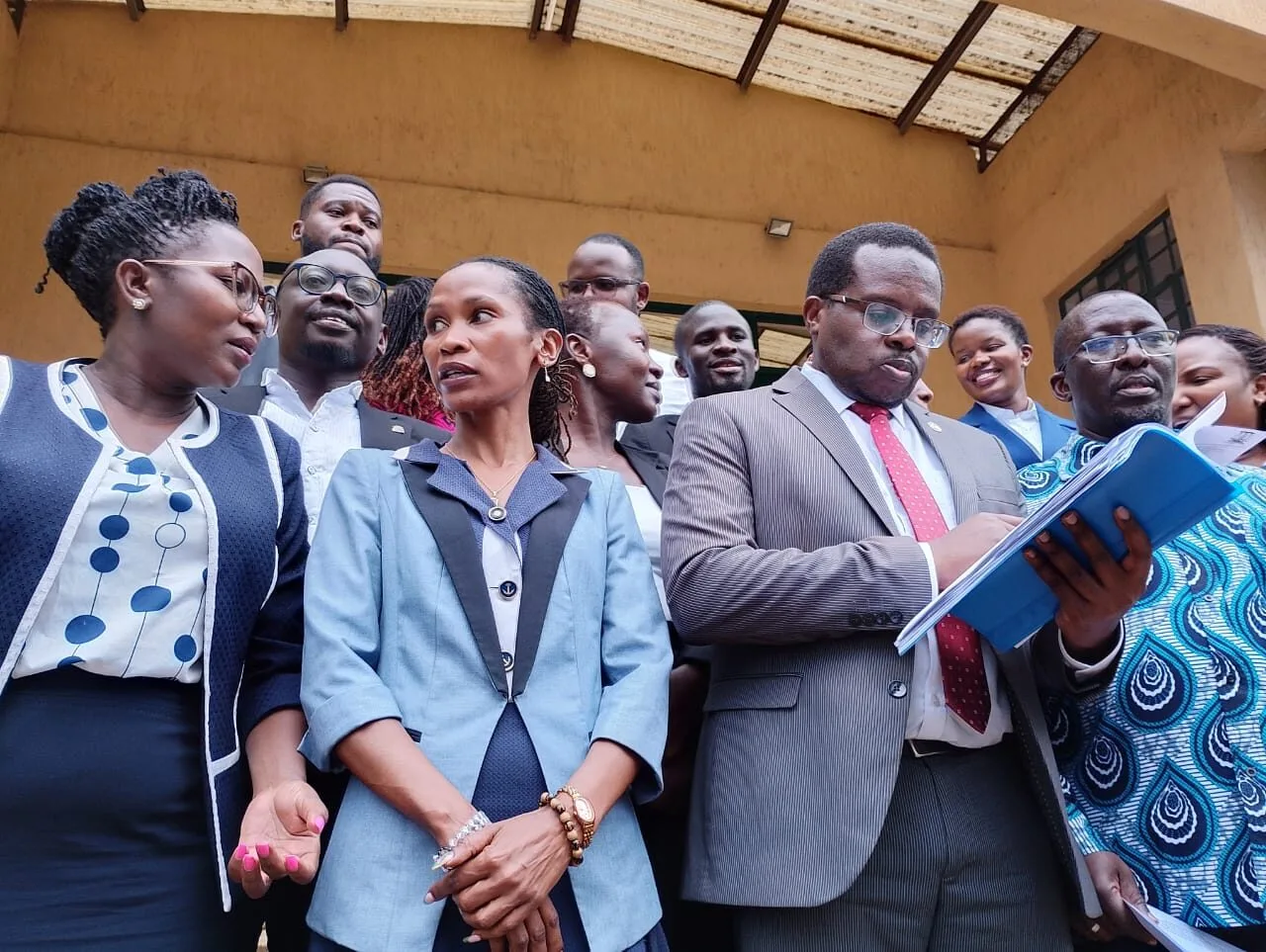
The Law Society of Kenya (LSK) has confirmed its directive for a targeted boycott of specific courts and judicial officers, announcing that this action will persist until the Judicial Service Commission (JSC) demonstrates tangible progress on crucial reforms aimed at enhancing judicial accountability and integrity. LSK President Charles Kanjama, speaking to reporters in Kisumu on Friday, September 26, alongside council members and representatives from the West Kenya branch, reiterated that the boycott remains actively in effect following the conclusion of the recent judicial recess.
Driving Judicial Accountability Reforms
The LSK's sustained action stems from what it describes as the stalled implementation of commitments previously agreed upon during a joint meeting with the Judicial Service Commission in late July. Among the critical outstanding issues are the protracted delay in establishing an electronic system for tracking complaints, the slow advancement in forming integrity committees within court stations, and the pending development of mechanisms for reporting judicial performance.
These measures, according to the LSK, are fundamental to bolstering transparency, strengthening accountability, and ultimately restoring public confidence in the Kenyan Judiciary. The boycott currently impacts approximately fifteen judicial officers, a group that includes six Supreme Court judges, though the LSK has not publicly disclosed their specific identities. This persistent call for Kenya judicial accountability reforms highlights a significant point of contention between the legal fraternity and the judiciary's oversight body, emphasizing the need for robust Judicial Service Commission LSK engagement.
Addressing Judicial Conduct and Integrity
Beyond the systemic reforms, the targeted boycott is also connected to instances where judges have successfully obtained court orders to prevent investigations into their conduct by either the Judicial Service Commission or the Ethics and Anti-Corruption Commission (EACC). However, LSK President Charles Kanjama was careful to clarify that the boycott should not be misconstrued as an assertion of guilt against the affected judicial officers.
In a significant Charles Kanjama LSK statement, he emphasized, "What we are telling them is that you have not been found liable or guilty. Please go and defend your innocence before the Judicial Service Commission." The LSK has affirmed its commitment to ongoing dialogue with the JSC, while simultaneously monitoring the implementation of the agreed-upon measures. The scope of the boycott, including the number of judicial officers affected, remains fluid and subject to developments in the accountability process and the level of compliance achieved by the relevant institutions.
Safeguarding Legal Professionalism
In a separate but related development, the Law Society of Kenya has voiced considerable apprehension regarding the increasing prevalence of individuals allegedly practicing law without the requisite qualifications or valid practicing certificates. The society is actively collaborating with its branch leadership, the Judiciary, and other key stakeholders to identify and take appropriate action against those who are impersonating advocates or unlawfully providing legal services.
President Kanjama articulated the LSK's deep concern, stating, "The Law Society of Kenya is very concerned about non-lawyers, lawyers who dont have practising certificates, and others who are quacks masquerading as lawyers and lowering the quality of legal services. Action will be taken against all of them." This concerted Kenya unqualified legal practitioners crackdown is designed to shield the public from fraudulent legal services and to uphold the stringent professional standards essential within the legal sector, requiring lawyers to monitor compliance and protect clients.
Practical Implications
Lawyers in Kenya must be aware of the ongoing LSK directive to boycott specific courts and judges, which directly impacts case scheduling and representation. Additionally, they should monitor the LSK's crackdown on unqualified practitioners to ensure compliance with professional standards and protect clients from fraudulent legal services.
Source
How does this affect you?
Get an AI analysis of this article grounded in your jurisdictions, practice areas, and any policy documents you've uploaded to Wansom.
Finish Reading the Full Story and the Expert Analysis.
Get the latest legal & regulatory intelligence in Kenya
Wansom is AI and can make mistakes.