
Kenya UN Synthetic Drugs Warning: Global Crisis Escalates
Summary
- Kenya warned that synthetic drugs are rapidly outpacing traditional law enforcement and public health responses.
- Ambassador Edwin Afande highlighted the complex links between drug trafficking, corruption, illicit financial flows, and terrorism.
- Beverly Opwora emphasized the need for a "paradigm shift" in global drug control strategies due to the changing nature of synthetic substances.
- Kenya urged the UNODC to support countries in combating substandard and falsified medical products, particularly in Africa.
- The nation called for stronger international cooperation, capacity building, and improved health systems to address the evolving drug landscape.
Kenya's Urgent Call on Synthetic Drugs
The nation emphasized that the evolving drug landscape necessitates a fundamental paradigm shift in how countries approach the problem, moving beyond traditional enforcement methods.
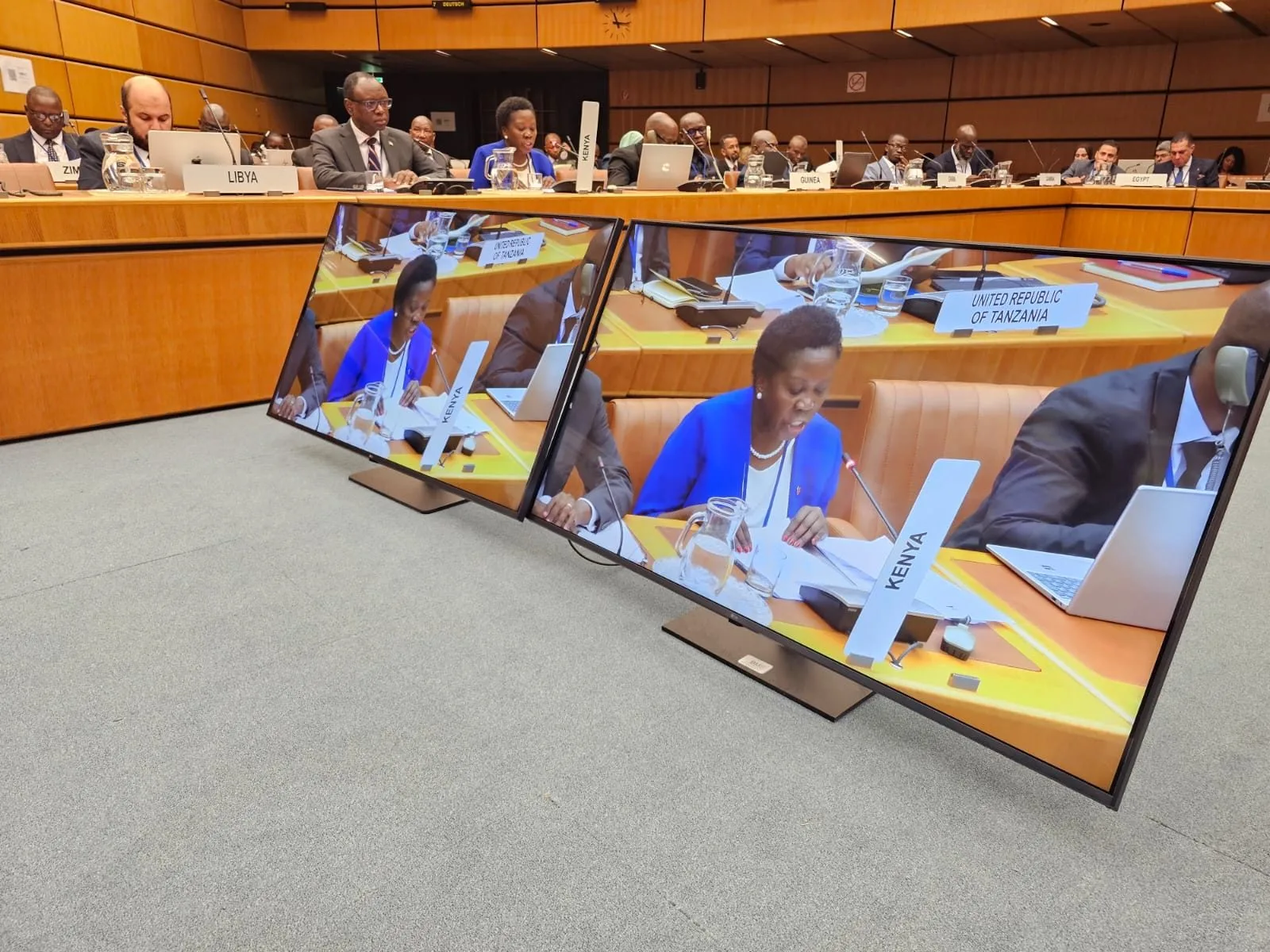
Kenya has issued a stark warning regarding the escalating global drug crisis, particularly the rapid proliferation of synthetic drugs, which are now outpacing conventional law enforcement and public health interventions. During the 33rd Meeting of Heads of National Law Enforcement Agencies (HONLEA) held in Vienna, the nation urged United Nations member states to bolster their collaborative efforts in combating drug trafficking. This call for enhanced cooperation also emphasized the critical need to ensure that vulnerable communities retain access to essential health and social support services.
Representing the Africa Group, Edwin Afande, Kenya's Ambassador and Permanent Representative to the United Nations in Vienna, delivered a significant speech, underscoring that the fight against narcotics is a shared global responsibility. Ambassador Afande expressed profound concern over the persistent disparities in accessing controlled substances for legitimate medical and scientific purposes, specifically highlighting medicines vital for pain management and palliative care. He further cautioned about the increasing threat posed by synthetic drugs and the intricate, growing connections between drug trafficking, corruption, illicit financial flows, and terrorism. Kenya specifically appealed to the United Nations Office on Drugs and Crime (UNODC) to provide robust support to countries, enhancing their capabilities to prevent, detect, and respond effectively to substandard and falsified medical products, which pose a severe threat to public health and socio-economic stability across Africa.
The Evolving Threat Landscape
Reinforcing Kenya's position, Beverly Opwora, Principal Administrative Secretary, National Administration in the Ministry of Interior and National Administration and head of the Kenyan delegation, presented the country's national statement. She highlighted the dramatically changing nature of the global drug problem, echoing Ambassador Afande's description of synthetic drugs as a "game changer" that has fundamentally disrupted traditional drug control strategies. Opwora detailed the expanding array of illicit substances, the widespread misuse of precursor chemicals, and a significant shift from plant-based narcotics towards synthetic compounds.
A key challenge she identified is the decentralized nature of synthetic drug production; unlike many traditional drugs, these substances can be manufactured almost anywhere by diverse actors, making detection and enforcement considerably more difficult. Furthermore, Opwora raised concerns about a growing trend of combining different substances, describing this practice as a "fashionable trend" that adds another layer of complexity to efforts aimed at tackling drug abuse. This evolving landscape, she asserted, demands a fundamental re-evaluation of current approaches.
Kenya's Policy Framework and Global Imperatives
Kenya's national statement, delivered by Ms. Opwora, outlined the country's comprehensive legal and policy framework designed to address alcohol and drug abuse. This framework, which includes the National Policy for the Prevention, Management and Control of Alcohol, Drugs and Substance Abuse (2025), is fully aligned with the commitments articulated in the 2019 Ministerial Declaration. The policy integrates security measures with public health interventions, providing a holistic approach that encompasses comprehensive care for affected individuals.
Despite these national efforts, Ambassador Afande's earlier remarks underscored a broader global challenge: the persistent barriers that limit equitable access to controlled substances for legitimate medical and scientific applications. He specifically advocated for the removal of such obstacles to ensure that essential medicines for pain management and palliative care are available where needed, emphasizing that this access is crucial for public health and human dignity.
A Call for Paradigm Shift and Enhanced Cooperation
Given the rapidly changing dynamics of the drug problem, Ms. Opwora articulated Kenya's conviction that a "paradigm shift" is urgently required in how nations respond. She called for substantial investment in capacity building and specialized expertise at national, regional, and international levels to effectively counter the new threats. Among the concrete measures proposed by Kenya were the establishment of stronger monitoring and communication platforms, the development of modern forensic capabilities essential for identifying synthetic drugs, and improved mechanisms for collecting and sharing vital data across borders.
Crucially, Ms. Opwora emphasized that law enforcement responses, while necessary, must be complemented by robust health systems. These systems need to be capable of adequately responding to the complex needs of individuals affected by drug use, including enhanced preparedness to manage adverse health consequences such as drug overdoses. Both Ambassador Afande and Ms. Opwora reiterated the principle of common and shared responsibility, stressing that only through coordinated international action can the global community effectively tackle drug trafficking and abuse. The nation emphasized that the evolving drug landscape necessitates a fundamental paradigm shift in how countries approach the problem, moving beyond traditional enforcement methods.
Practical Implications
Compliance officers in financial institutions and pharmaceutical companies in Kenya should note the government's call for a paradigm shift in combating synthetic drug trafficking, which is linked to illicit financial flows and substandard medical products. This signals potential future regulatory changes and increased scrutiny in AML/CTF and pharmaceutical compliance.
Source
How does this affect you?
Get an AI analysis of this article grounded in your jurisdictions, practice areas, and any policy documents you've uploaded to Wansom.
Finish Reading the Full Story and the Expert Analysis.
Wansom is AI and can make mistakes.