
Kenya's Treasury: No Payment of Commitment Fees on Undrawn Loans
Summary
- Kenya's public debt has reached KSh13 trillion, with billions paid in commitment fees on undrawn loans.
- Commitment fees averaged KSh1.824 billion annually between 2015/16 and 2025/26.
- The Controller of Budget recommends demonstrating project readiness before loan contracts to minimize commitment fees.
- A facility-level monitoring dashboard and early-warning mechanism can help prevent implementation delays and commitment fees.
What Happened
Commitment fees are not just an avoidable cost but should now be viewed as a symptom of inefficiencies that need to be addressed, Nyakang'o said.
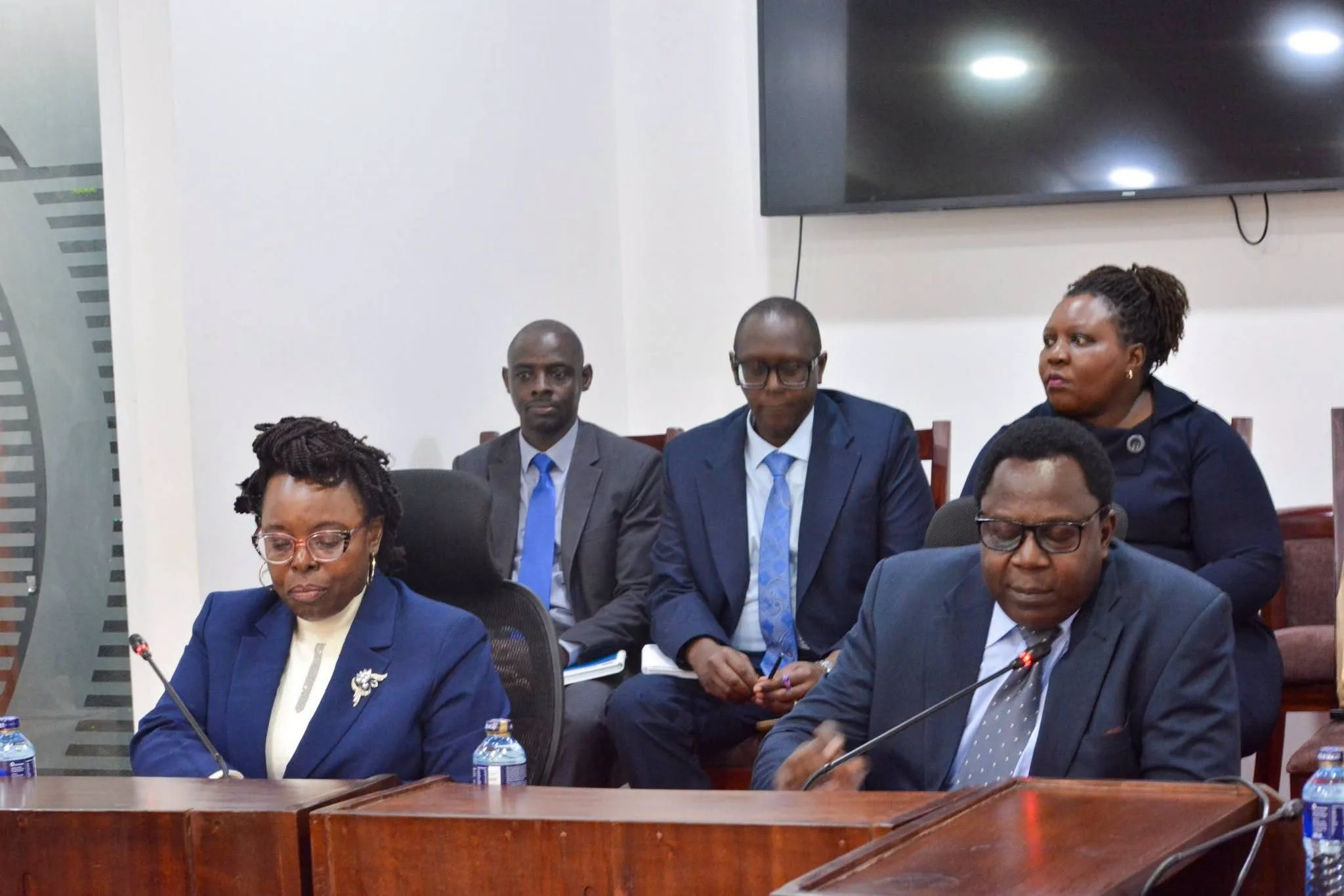
Kenya's public debt has reached KSh13 trillion, with billions of shillings being paid to creditors for loan facilities that have not been fully utilized. The Public Debt and Privatisation Committee raised questions over the payment of commitment fees on undrawn loans, which averaged KSh1.824 billion annually between 2015/16 and 2025/26. The Controller of Budget, Dr. Margaret Nyakang'o, revealed that the Exchequer paid KSh20.066 billion in such fees during this period. This amount includes a high of KSh3.232 billion in 2017/18, as well as recent increases from KSh1.070 billion in 2024/25 to KSh1.267 billion in 2025/26.
Legal Context
Commitment fees are a contentious issue in Kenya's public debt management. These fees are not just an avoidable cost, but also a symptom of underlying inefficiencies in project implementation. The Controller of Budget has recommended that government agencies demonstrate project readiness before loans are contracted to minimize the payment of commitment fees. Additionally, the establishment of a facility-level monitoring dashboard and early-warning mechanism for loans facing implementation delays is crucial to prevent such fees from arising.
Why It Matters
The payment of billions in commitment fees on undrawn loans highlights the need for Kenya's government to review its loan agreements and consider renegotiating or restructuring commitments. This is essential to avoid unnecessary costs and address underlying inefficiencies in project implementation. Lawyers advise clients to carefully examine their loan agreements and explore options for reducing or eliminating commitment fees, which can be a significant burden on the public purse.
Practical Implications
Lawyers should advise clients to review their loan agreements and consider renegotiating or restructuring commitments to avoid unnecessary commitment fees, which can be a symptom of underlying inefficiencies in project implementation.
Source
How does this affect you?
Get an AI analysis of this article grounded in your jurisdictions, practice areas, and any policy documents you've uploaded to Wansom.
Wansom is AI and can make mistakes.