
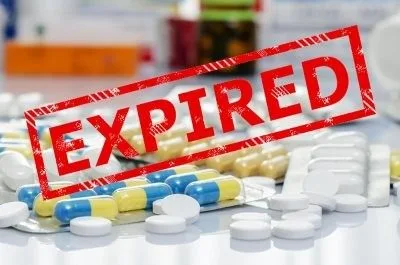
Kenya Senate: KEMSA Expired Medicines Sh1bn Loss Probed
Summary
- Kenya faces a Sh1 billion loss from expired medicines, prompting a Senate inquiry into the Pharmacy and Poisons Board (PPB) and Kenya Medical Supplies Authority (KEMSA).
- The Senate Health Committee raised alarms over significant gaps in the management, inspection, and disposal of pharmaceutical products.
- PPB CEO Dr. Ahmed Mohamed attributed some regulatory challenges to a severe shortage of inspectors, requesting 120 additional staff.
- Donated medicines, particularly those not meeting strict shelf-life requirements, were identified by KEMSA as a major contributor to the expired stock.
- Senators questioned systemic issues including weak inspection capacity, poor stock management, and procurement decisions leading to waste.
Escalating Concerns Over Expired Medical Supplies
The substantial loss of Sh1 billion from expired medical supplies has ignited a rigorous inquiry by the Senate Health Committee, demanding accountability from the Pharmacy and Poisons Board regarding systemic failures in drug management.
The Kenyan public is facing a substantial financial setback, with an estimated Sh1 billion loss attributed to expired medical supplies. This alarming figure has prompted the Senate Health Committee to launch a rigorous inquiry, demanding comprehensive explanations from the Pharmacy and Poisons Board (PPB) regarding what it describes as critical deficiencies in the management, inspection, and ultimate disposal of pharmaceutical products. The committee's concerns were heightened following a report from the Kenya Medical Supplies Authority (KEMSA), which confirmed the expiry of medicines valued at approximately Sh1 billion.
This significant waste includes essential drugs designated for the treatment of severe conditions such as cancer, HIV, and malaria, which had been previously flagged by the Senate. During a recent meeting chaired by Senator Jackson Mandago, the committee engaged with Dr. Ahmed Mohamed, the chief executive of the PPB. The session aimed to assess the implementation of recommendations stemming from the committee's prior county oversight visits, with senators pressing for answers on how such a vast quantity of vital medication could be allowed to go to waste.
Pharmacy Board Cites Capacity Constraints
In response to the Senate's scrutiny, Dr. Ahmed Mohamed, CEO of the Pharmacy and Poisons Board, outlined the challenges faced by the regulator, primarily citing severe staffing shortages. Dr. Mohamed explained that a significant portion of the PPB's regulatory work, approximately 90%, occurs "behind the scenes," prior to the physical inspection stage, with only 10% visible to the public as direct inspection activities. He emphasized that the board has actively sought additional funding and personnel to bolster its inspection capabilities across Kenya.
The PPB had specifically requested resources to recruit around 120 new staff members to address its current deficit of inspectors. While the board was allocated 45 positions in the preceding financial year and has commenced filling these roles, Dr. Mohamed stressed that this number remains insufficient to effectively oversee the thousands of health facilities requiring regulatory attention. He underscored that without a substantial increase in inspection staff, the PPB's capacity to enforce compliance and prevent future expiries is severely limited, despite having strengthened other regulatory functions such as product registration and post-market surveillance.
Scrutiny on Donated Medicines
A significant point of contention during the Senate inquiry revolved around the contribution of donated medicines to the growing volume of expired stocks. KEMSA, in its submission to the committee, indicated that a substantial portion of the expired drugs originated from donations. This revelation led senators to question the protocols governing the acceptance of such donations, particularly those nearing their expiration dates upon arrival in Kenya.
Dr. Mohamed clarified that the Pharmacy and Poisons Board maintains stringent requirements for donated pharmaceutical products, specifically prohibiting the entry of any item with less than two-thirds of its total shelf life remaining. Furthermore, the PPB actively advises government institutions and county administrations against accepting pharmaceutical donations that do not adhere to these established guidelines. Dr. Mohamed critically characterized some of these non-compliant donations not as genuine aid, but rather as "dumping," asserting that it is the responsibility of recipient institutions to rigorously follow the stipulated regulations.
Systemic Failures in Supply Chain Management
Beyond the immediate issue of expired stock, senators delved into broader systemic weaknesses within Kenya's pharmaceutical supply chain. They questioned whether factors such as inadequate inspection capacity, inefficient stock management practices, flawed procurement decisions, and delays in both distribution and disposal processes were collectively contributing to the substantial financial losses. Concerns were also raised regarding the possibility that medicines might be manufactured or procured without sufficient consideration for actual demand, leading to their accumulation in warehouses until they become unusable.
Regarding the disposal of expired medicines, the PPB clarified its established process. Dr. Mohamed explained that the primary responsibility for managing expired pharmaceutical waste rests with the institution that generated it. Once medicines reach their expiry date, the facility is mandated to notify the Pharmacy and Poisons Board and provide a detailed list of the products requiring disposal, initiating a regulated process designed to prevent environmental and health hazards.
Practical Implications
Compliance officers and legal counsel in Kenya's pharmaceutical sector should review internal controls for inventory management, procurement, and disposal of medical supplies, particularly donated products, to mitigate compliance risks and potential liabilities arising from the Senate's scrutiny of KEMSA and the PPB. This signals heightened regulatory enforcement and potential policy changes regarding drug supply chain integrity.
Source
How does this affect you?
Get an AI analysis of this article grounded in your jurisdictions, practice areas, and any policy documents you've uploaded to Wansom.
Finish Reading the Full Story and the Expert Analysis.
Get the latest legal & regulatory intelligence in Kenya
Wansom is AI and can make mistakes.