
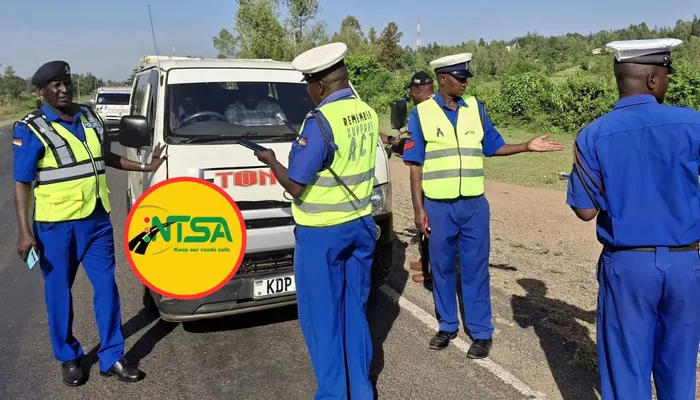
Kenya Senate: Annuls NTSA Regulations Over Public Participation Failure
Summary
- The Kenya Senate annulled three NTSA regulations on September 8, 2026, citing a lack of public participation.
- The annulled regulations include the Traffic (School Transport) Rules, 2026, the Traffic (Motor Vehicle Inspection) Rules, 2026, and the NTSA (Operation of Commercial Vehicles) Regulations, 2026.
- The Senate's decision was made pursuant to Section 18 of the Statutory Instruments Act, following a report from its Select Committee on Delegated Legislation.
- The NTSA had developed these rules to improve road safety, proposing stricter requirements for school buses, mandatory vehicle inspections, and guidelines for commercial vehicles.
- Public opposition had previously accused the NTSA of implementing the regulations without a clear legal mandate and sufficient public involvement.
What Happened
This legislative action underscores the critical importance of robust public participation in the development of delegated legislation, setting a significant precedent for regulatory bodies across Kenya.
The Kenyan Senate has taken decisive action to annul three significant regulatory instruments previously introduced by the National Transport and Safety Authority (NTSA). This move, which effectively throws out the NTSA rules, came after the legislative body identified a critical deficiency: a lack of adequate public participation during their formulation. The annulled regulations include the Traffic (School Transport) Rules, 2026, the Traffic (Motor Vehicle Inspection) Rules, 2026, and the NTSA (Operation of Commercial Vehicles) Regulations, 2026.
The Senate's resolution to annul these statutory instruments was formalized on Tuesday, September 8, 2026. This decision followed the adoption of a report from the Select Committee on Delegated Legislation, which had reviewed the regulations after they were tabled before the Senate on June 10 of the same year. The annulment means that these specific NTSA regulations are no longer enforceable, marking a significant development in Kenya's regulatory landscape.
Regulatory Intent and Specifics
The National Transport and Safety Authority had initially developed these three sets of regulations as part of a broader strategic initiative aimed at enhancing road safety standards across Kenya. Each regulation targeted specific areas of concern within the transport sector, reflecting the NTSA's mandate to improve public safety on the nation's roads.
For instance, the Traffic (School Transport) Rules 2026, which have now been annulled, were designed to impose more stringent requirements on vehicles used for transporting schoolchildren. These proposed rules included mandates for specific safety equipment, such as mechanical signal arms and advanced telematics systems, intended to safeguard young passengers. Similarly, the Motor Vehicle Inspection Rules 2026, now scrapped, sought to establish a comprehensive framework for vehicle inspections, introducing mandatory checks for certain categories of vehicles, particularly those exceeding four years in age. The Commercial Vehicles Regulations 2026 Kenya, meanwhile, were intended to provide clear guidelines for the licensing, overall management, and safe operational practices of commercial vehicles within the country.
Legal Context and Public Discontent
The Senate's authority to annul these regulations is firmly rooted in Section 18 of the Statutory Instruments Act. This legal provision empowers the legislative body to review and, if necessary, invalidate delegated legislation that fails to meet prescribed standards, including the crucial requirement for public involvement. The Senate explicitly cited this section when resolving to annul the Traffic (School Transport) Rules, 2026 (Legal Notice No. 11 of 2026), the Traffic (Motor Vehicle Inspection) Rules, 2026 (Legal Notice No. 13 of 2026), and the National Transport and Safety Authority (Operation of Commercial Vehicles) Regulations, 2026 (Legal Notice No. 14 of 2026).
Prior to their annulment, these proposals had encountered substantial public opposition. Members of the public voiced strong objections, contending that the NTSA was attempting to implement these regulations without a clear legal mandate and, crucially, without adequately involving stakeholders in the drafting process. This widespread public outcry highlighted the importance of Kenya public participation in delegated legislation, ultimately contributing to the Senate's decision to scrap the NTSA rules.
Why It Matters
The annulment of these NTSA regulations by the Kenya Senate carries significant implications for future regulatory processes and the development of delegated legislation within the country. This action serves as a powerful affirmation of the principle that public participation is not merely a procedural formality but a fundamental requirement for the legitimacy and enforceability of statutory instruments.
This legislative action underscores the critical importance of robust public participation in the development of delegated legislation, setting a significant precedent for regulatory bodies across Kenya. It reinforces the expectation that government agencies must engage thoroughly with the public and relevant stakeholders before enacting rules that impact citizens and businesses. Consequently, the specific NTSA rules concerning school transport, motor vehicle inspection, and commercial vehicles are not currently enforceable, and any future attempts to introduce similar regulations will likely face heightened scrutiny regarding their adherence to public engagement mandates.
Practical Implications
Lawyers and compliance officers should advise clients that the specific NTSA regulations concerning school transport, motor vehicle inspection, and commercial vehicles are not currently enforceable. This development underscores the critical importance of adhering to public participation requirements for all future delegated legislation in Kenya, setting a precedent for challenging regulatory instruments lacking proper stakeholder engagement.
Source
How does this affect you?
Get an AI analysis of this article grounded in your jurisdictions, practice areas, and any policy documents you've uploaded to Wansom.
Finish Reading the Full Story and the Expert Analysis.
Get the latest legal & regulatory intelligence in Kenya
Wansom is AI and can make mistakes.