
Kenya: Reclassifies Ukraine POWs as Trafficking Victims
Summary
- Kenya is seeking to reclassify its five nationals held as prisoners of war in Ukraine as victims of human trafficking.
- This reclassification aims to improve their access to international assistance and facilitate their repatriation, arguing they were recruited into Russia's military under false promises of employment.
- The government contends these circumstances align with the definition of trafficking under Article 3(a) of the UN Palermo Protocol, which Ukraine has ratified.
- Kenya has documented 354 nationals linked to the Russia-Ukraine conflict, with 84 reported killed or missing and 62 already repatriated.
- Diplomatic efforts include high-level engagement with Ukrainian authorities and securing Russia's "Stop List" to prevent further Kenyan military recruitment.
A New Classification for Kenyan POWs
By designating them as trafficking victims, Kenya seeks to have their prisoner-of-war status revoked, thereby enabling them to receive assistance under international standards applicable to victims of trafficking, rather than being solely subject to international humanitarian law governing POWs.
Kenya is actively pursuing a significant reclassification for its citizens currently held as prisoners of war in Ukraine. The government aims to have these individuals designated as victims of human trafficking, a strategic move intended to enhance their access to international assistance and facilitate their eventual repatriation. This initiative stems from reports indicating that many of these Kenyan nationals were enticed into joining Russia's military forces under deceptive promises of employment opportunities.
According to information provided by the Ukrainian Embassy in Vienna to Kenya on September 3, 2026, five Kenyans are presently detained as prisoners of war in Ukraine. These individuals include Kibet Evans, whose detention began in May 2025; Macharia Willi Muniu, detained since November 2025; Haron Kibet Pachenge, held since March 2026; Joseph, detained from April 2026; and Ndarua Ndungu Francis. The State Department for Diaspora Affairs has highlighted that the circumstances surrounding their recruitment align with the criteria for human trafficking.
Legal Basis and Diplomatic Push
The proposed reclassification hinges on the argument that the recruitment conditions for these Kenyan nationals meet the definition of trafficking as outlined in the UN Palermo Protocol. Specifically, Article 3(a) of the Protocol, which Ukraine has ratified, describes circumstances consistent with the deceptive practices reported. By designating them as trafficking victims, Kenya seeks to have their prisoner-of-war status revoked, thereby enabling them to receive assistance under international standards applicable to victims of trafficking, rather than being solely subject to international humanitarian law governing POWs.
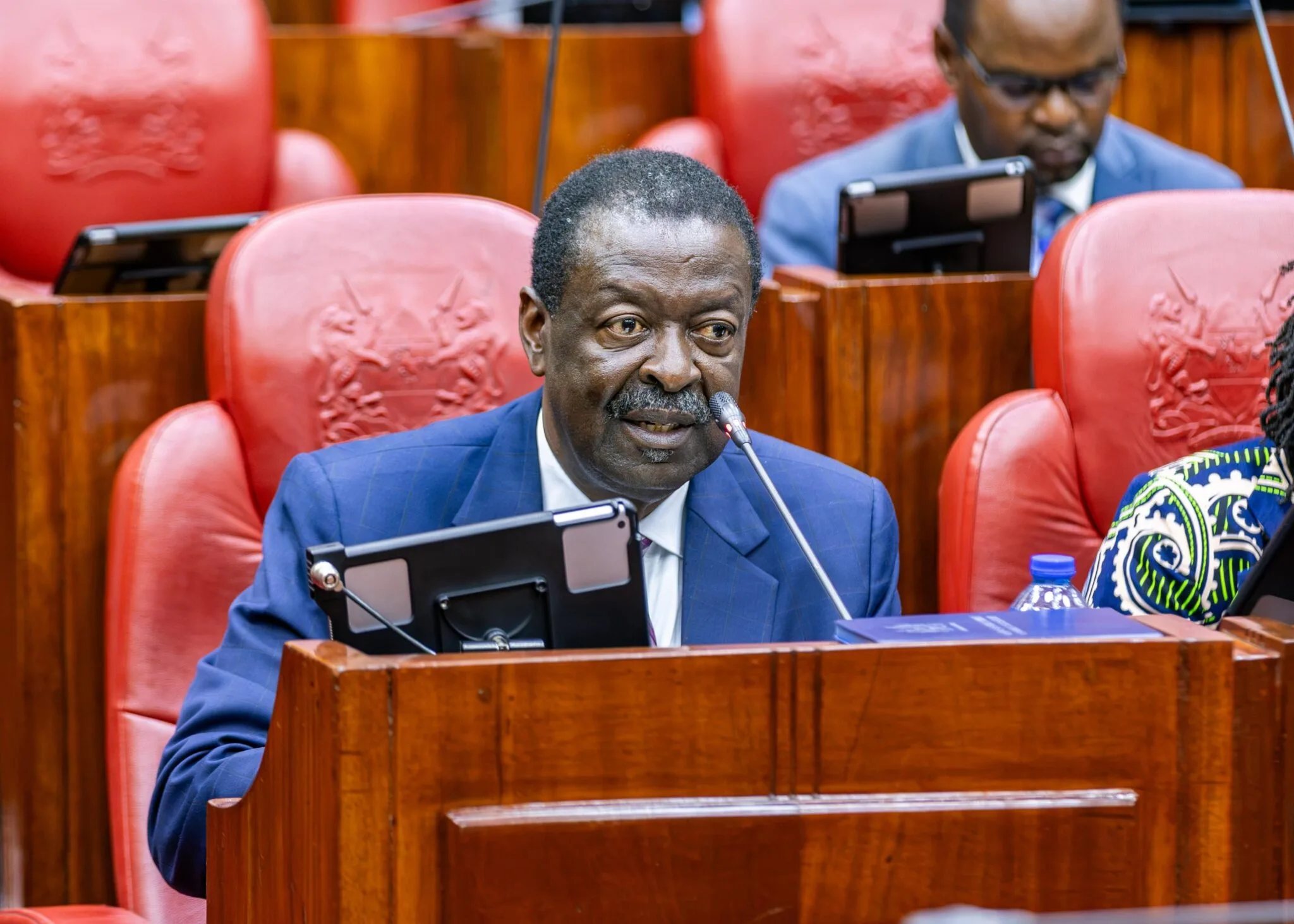
Prime Cabinet Secretary and Foreign and Diaspora Affairs CS Musalia Mudavadi affirmed this position in a parliamentary response, stating that while negotiating their repatriation, consideration should be given to their designation as victims of international human trafficking due to the false promises of employment. Kenya is actively engaging through diplomatic channels, with the State Department coordinating with its embassy in Vienna, which is accredited to Ukraine, and directly with Ukrainian authorities. President William Ruto has also personally discussed the matter with Ukrainian President Volodymyr Zelenskyy during a telephone conversation, underscoring the high-level commitment to this effort.
Broader Impact of the Ukraine War on Kenyans
Beyond the five prisoners of war, the Kenyan government has documented a total of 354 Kenyan nationals linked to the Russia-Ukraine conflict. The statuses of these individuals vary significantly: 77 are reported to be on the frontlines, 38 are in various camps, and 52 are in unknown or unclassified locations. Tragically, 84 Kenyans are either confirmed killed or missing in action, while 34 are currently hospitalized. The Ministry has successfully facilitated the repatriation of 62 individuals, with one person in detention and another having completed their military contract.
In a proactive measure to curb further recruitment of Kenyan nationals into Russia's military, Kenya secured its inclusion on Russia's "Stop List" during an official visit to Moscow in March 2026. The Kenyan Embassy in Moscow has since confirmed that this measure has effectively prevented any additional Kenyans from being enlisted. However, Russia has communicated that requests to terminate existing military contracts are evaluated on a case-by-case basis by individual military unit commanders. Furthermore, Russia's Defence Ministry has stated it cannot cover the costs associated with repatriating the remains of deceased Kenyan nationals, prompting Kenya to continue engaging both Russian authorities and affected families regarding burial, cremation, or repatriation arrangements.
Conditions and Ongoing Engagement
The welfare of the detained Kenyans remains a priority. Kenya's Honorary Consul in Ukraine conducted a visit to the Zakhid 1 prisoner-of-war camp, reporting that the detainees are being held in humane conditions. The consul observed that they have access to medical services and treatment, consistent with the applicable rules governing prisoners of war. In a related diplomatic development, the Ministry is also making progress towards accrediting Kenya's ambassador to Ukraine, with Kyiv having already granted agrément for the appointment, signaling a strengthening of bilateral relations amidst these complex humanitarian challenges.
Practical Implications
This case establishes a precedent for applying the UN Palermo Protocol to reclassify citizens recruited into foreign military conflicts as human trafficking victims. Lawyers advising on international human rights, diaspora affairs, or cross-border recruitment should monitor this strategy for its implications on defining victim status and seeking repatriation in conflict zones.
Source
How does this affect you?
Get an AI analysis of this article grounded in your jurisdictions, practice areas, and any policy documents you've uploaded to Wansom.
Finish Reading the Full Story and the Expert Analysis.
Get the latest legal & regulatory intelligence in Kenya
Wansom is AI and can make mistakes.