
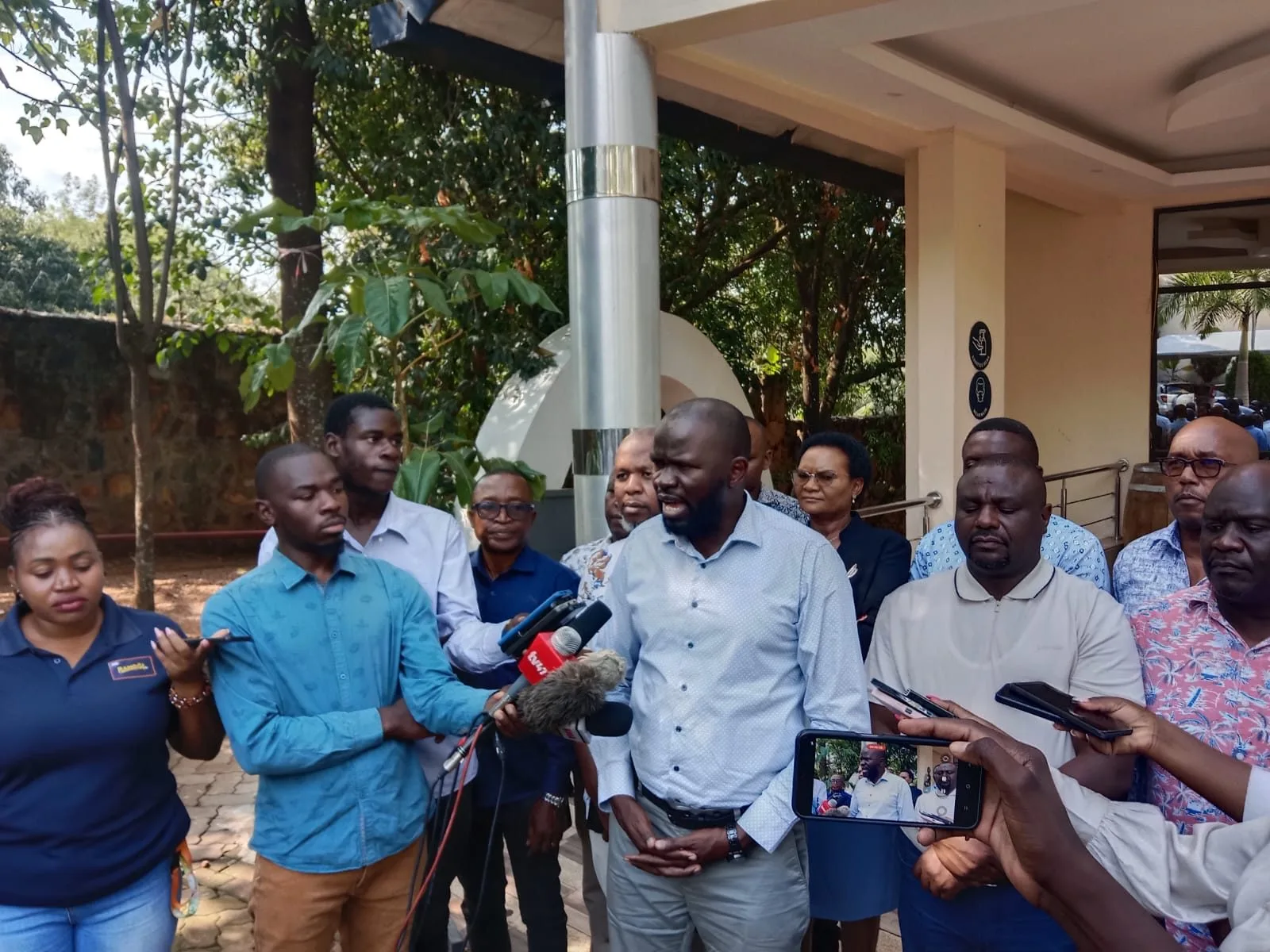
Kenya Parliament KESHA Payments Probe: PIC Audits School Funds
Summary
- A parliamentary committee is investigating payments from national secondary schools to the Kenya Secondary School Heads Association (KESHA).
- The inquiry, led by MP Dick Maungu, questions KESHA's legal entitlement to public funds and whether these funds are subject to audit.
- Some schools have reportedly paid KESHA as much as Sh6 million, prompting the committee to summon KESHA officials for accountability.
- The probe also uncovered issues with textbook distribution disparities, significant fee arrears, and delayed government capitation to schools.
- A comprehensive report is anticipated, which could lead to increased oversight of public school finances and their relationships with external organizations.
Parliamentary Inquiry Launched into School Payments
The findings are poised to trigger increased scrutiny over how public secondary schools manage their finances and the nature of their financial relationships with external organizations.
The National Assembly's Public Investments Committee (PIC) on Education and Governance has initiated a comprehensive inquiry into significant payments made by national secondary schools to the Kenya Secondary School Heads Association (KESHA). Chaired by Luanda MP Dick Maungu, the committee is scrutinizing the legal standing of KESHA to receive public funds and whether these contributions are subject to audit by the Auditor-General. This investigation forms part of a broader examination of Auditor-General reports concerning secondary schools, commencing with Category One (C1) institutions, primarily national schools.
During sittings held in Kisumu, where the committee engaged with principals from Western Kenya, startling figures emerged. Some individual schools have reportedly remitted substantial amounts to KESHA, with one institution cited for payments totaling approximately Sh6 million, and another for Sh5 million. KESHA functions as a welfare and professional organization for secondary school principals, but the committee's primary concern revolves around the accountability and legal basis for these financial transfers from public institutions.
Scrutiny of KESHA's Legal Status and Financial Accountability
The core of the National Assembly PIC KESHA inquiry centers on establishing the legal framework that permits KESHA to accept funds from public schools. MP Dick Maungu emphasized the committee's determination to ascertain if KESHA, as a recipient of public money, has its activities audited by the Auditor-General, a crucial aspect of public finance oversight. The committee plans to summon KESHA officials to provide detailed explanations regarding their legal status and to account for all funds received from public educational institutions.
Further aspects of the KESHA investigation will delve into the specific mechanisms by which schools approve these payments, the stated purpose behind the contributions, and the existence of robust accountability measures within KESHA for the utilization of these funds. This parliamentary probe aims to clarify the Kenya schools KESHA legal status and ensure transparency in financial dealings between public institutions and external associations.
Wider Financial Irregularities and Operational Challenges
Beyond the Kenya Secondary School Heads Association payments, the Public Investments Committee school funds audit has unearthed several other significant financial and operational challenges within the education sector. Disparities in textbook distribution were highlighted, with some national schools receiving an excess of books—for instance, one school reportedly received 436 extra copies—while other institutions, particularly those in marginalized regions, continue to face severe shortages. The committee intends to question the Kenya Institute of Curriculum Development (KICD) regarding its textbook distribution policies and the accuracy of its enrolment data, which is critical for determining school requirements.
Additionally, the parliamentary inquiry brought to light substantial fee arrears owed to schools, with some debts dating back as far as 2010 and 2015. These accumulated arrears, coupled with delayed government funding, have placed immense financial pressure on schools. MP Maungu called upon the government to ensure the timely release of capitation funds to alleviate these challenges and support headteachers in their administrative duties, underscoring the broader financial management issues facing public secondary schools.
Anticipated Recommendations and Future Oversight
The committee is expected to compile a comprehensive report detailing its findings and recommendations across various critical areas. This report will address the financial management of schools, the equitable distribution of textbooks, the timely disbursement of capitation funds, and, crucially, the payments made to organizations such as KESHA. The outcomes of this Dick Maungu KESHA investigation could have far-reaching implications for the financial governance of public secondary schools.
The findings are poised to trigger increased scrutiny over how public secondary schools manage their finances and the nature of their financial relationships with external organizations. This parliamentary inquiry signals increased scrutiny on the legal basis and accountability of funds paid by public schools to external associations like KESHA, potentially leading to significant reforms in financial oversight and compliance within the education sector.
Practical Implications
This parliamentary inquiry signals increased scrutiny on the legal basis and accountability of funds paid by public schools to external associations like KESHA. Legal counsel for educational institutions and associations should review their financial relationships and ensure compliance with public finance regulations, anticipating potential challenges to the legality and auditability of such payments.
Source
How does this affect you?
Get an AI analysis of this article grounded in your jurisdictions, practice areas, and any policy documents you've uploaded to Wansom.
Finish Reading the Full Story and the Expert Analysis.
Wansom is AI and can make mistakes.