
Kenya ODPC: Warns Against Unauthorized Children's Images Fundraising
Summary
- The Kenyan government is strengthening safeguards against the unauthorized use of children's images and personal information for online fundraising.
- The State Department for Children Services (SDCS) is collaborating with the ODPC and other agencies to enforce compliance and promote child safeguarding policies.
- New directives require informed consent from parents or guardians for processing children's data, with a caveat that consent does not override a child's best interests.
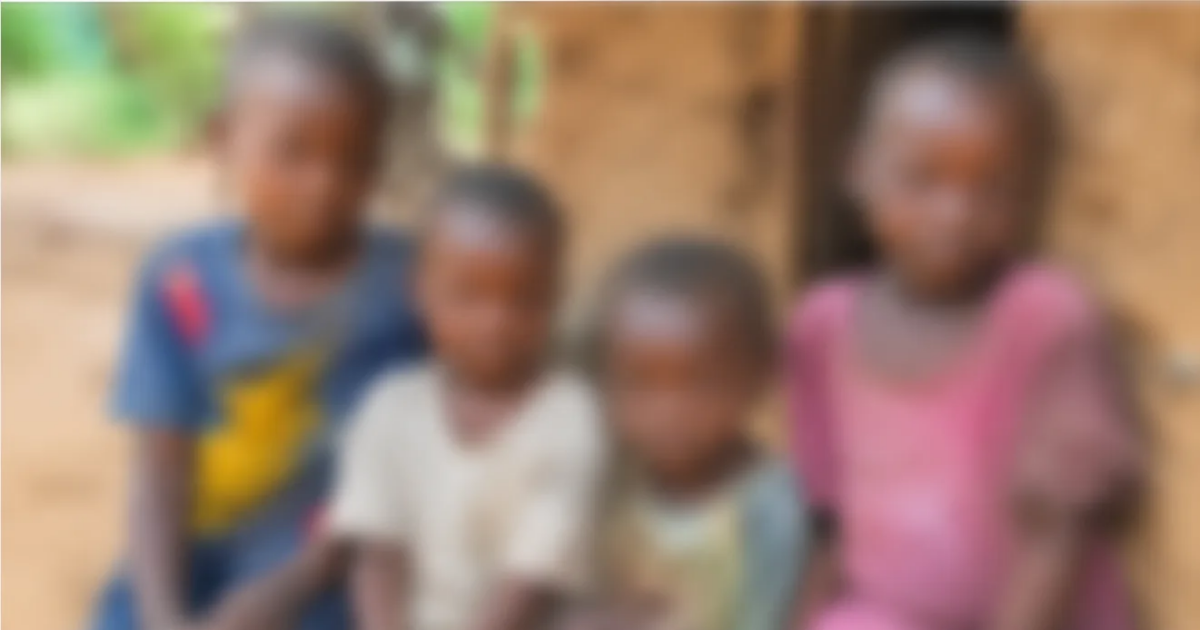
- Recommended privacy measures include blurring faces, anonymizing stories, and using non-identifying images.
- Violations of these regulations can lead to fines of up to Sh500,000, imprisonment for up to 12 months, or both, under the Children Act 2022 and Data Protection Act 2019.
Government Takes Action on Children's Image Exploitation
A child's vulnerability should never be exploited for publicity, fundraising, or personal gain at the expense of their privacy and dignity.
The Kenyan government is intensifying its efforts to protect children from the unauthorized use of their images, videos, and personal information, particularly in online fundraising campaigns. The State Department for Children Services (SDCS) has issued a stern warning to individuals and organizations against exploiting vulnerable children for public exposure or financial gain. This move comes in response to growing public concern over the widespread use of children's photographs, videos, and personal stories on social media platforms to solicit donations and attract attention.
The SDCS, through Principal Secretary Carren Agenjo, announced on Tuesday that it will collaborate closely with the Office of the Data Protection Commissioner (ODPC), various law enforcement agencies, the National Council for Children's Services, and civil society organizations. This multi-agency approach aims to address violations of children's privacy and rights comprehensively. The department plans to boost public awareness, ensure adherence to existing legal frameworks, and encourage charitable organizations to adopt robust child safeguarding policies.
In its advisory, the SDCS explicitly called upon individuals, organizations, content creators, and other stakeholders to cease the unauthorized capture, sharing, and publication of children's images and personal details. The directive specifically targets instances where such material is used for fundraising and publicity purposes. The government acknowledges the vital role of well-wishers and organizations in supporting vulnerable children and families but stresses that these charitable activities must never jeopardize a child's safety, privacy, or dignity.
Strict Legal Framework Underpins New Directives
The government's stance is firmly rooted in Kenya's existing legal and constitutional provisions designed to safeguard children's rights. Central to this framework is Article 53(2) of the Constitution, which unequivocally establishes the paramountcy of a child's best interests in all matters concerning them. This constitutional principle forms the bedrock for all subsequent legislation and policy.
Further legal backing is provided by Section 27 of the Children Act, 2022, which explicitly protects children from arbitrary or unlawful interference with their privacy, family life, private affairs, honor, and reputation. Additionally, Section 33 of the Data Protection Act, 2019, outlines specific safeguards for processing the personal data of children, mandating parental or guardian consent and ensuring the protection of the child's rights and best interests. The State Department also referenced Section 220 of the Children Act, which specifically protects the identities of children involved in conflict with the law during arrest, investigations, and court proceedings, underscoring a broad commitment to child privacy across various contexts.
New Safeguards and Enforcement for Child Privacy
As part of its comprehensive response, the State Department for Children Services has outlined several critical safeguards for individuals, charities, influencers, and content creators. A primary requirement is obtaining informed consent from parents or legal guardians before collecting and processing any personal data belonging to children. However, the department issued a crucial caution: parental consent alone does not automatically justify publishing a child's photograph or personal information if such exposure could compromise their safety, dignity, or overall best interests.
To mitigate risks, the SDCS recommends implementing privacy-preserving measures. These include blurring faces, anonymizing personal stories, and utilizing non-identifying images when publicity is deemed necessary and lawful. Organizations that work directly with children are also urged to establish clear procedures for handling complaints and to ensure that personal information is collected and used solely for legitimate purposes. Violations of these regulations carry significant penalties, including fines of up to Sh500,000, imprisonment for up to 12 months, or both. The public is encouraged to report any children in need of care and protection to the nearest Sub-County Children's Office or by calling Child Helpline 116.
Protecting Vulnerable Children in Fundraising Efforts
The core message from the State Department for Children Services is that a child's vulnerability should never be exploited for publicity, fundraising, or personal gain at the expense of their privacy and dignity. This principle underscores the advisory, which seeks to reframe how charitable organizations and individuals engage with children's stories and images. The growing public concern that prompted this advisory highlights a societal shift towards greater awareness of children's digital rights and the potential harms of overexposure.
This initiative aims to ensure that while support for vulnerable children and families remains crucial, it must be conducted ethically and legally. The government is committed to fostering an environment where children receive necessary assistance without having their privacy, dignity, and personal circumstances exposed to the public. This proactive stance by the State Department for Children Services, in collaboration with the Office of the Data Protection Commissioner Kenya, signals a strengthened commitment to child safeguarding policies and data protection in the country.
Practical Implications
Lawyers and compliance officers advising charities, NGOs, content creators, or any entity involved in fundraising using children's images in Kenya must immediately review and update their data processing and child safeguarding policies. This is crucial to ensure strict compliance with the Children Act 2022 and Data Protection Act 2019, particularly regarding informed consent, the 'best interests of the child' principle, and privacy-preserving measures, to mitigate risks of fines, imprisonment, and ODPC enforcement action.
Source
How does this affect you?
Get an AI analysis of this article grounded in your jurisdictions, practice areas, and any policy documents you've uploaded to Wansom.
Finish Reading the Full Story and the Expert Analysis.
Get the latest legal & regulatory intelligence in Kenya
Wansom is AI and can make mistakes.