
Kenya: Sh47 Billion Tax Loss From Illicit Cigarette Trade Projected
Summary
- Kenya is projected to lose Sh47 billion in excise duty and VAT between 2021 and 2025 due to illicit cigarette trade.
- A Kantar study commissioned by BAT Kenya estimates that illicit cigarettes will account for 45.1% of total consumption by 2025.
- This lost revenue could fund significant government programs, such as 48,000 affordable houses or 19 million bags of subsidized fertilizer.
- Rising excise duties (55% increase from 2018-2022) coincided with a Sh1 billion decline in legal industry revenue, 4,700 job losses, and a Sh37.7 billion drop in GDP contribution.
- BAT Kenya's Managing Director called for stronger border controls, faster enforcement, deterrent penalties, and an enhanced track-and-trace system to combat the issue.
The Pervasive Illicit Trade in Kenya
Compliance officers and legal counsel in Kenya's tobacco sector should anticipate heightened regulatory scrutiny, increased enforcement actions, and potential legislative changes, including stronger border controls and enhanced track-and-trace systems, as the government seeks to curb the significant tax revenue loss from illicit cigarette trade.
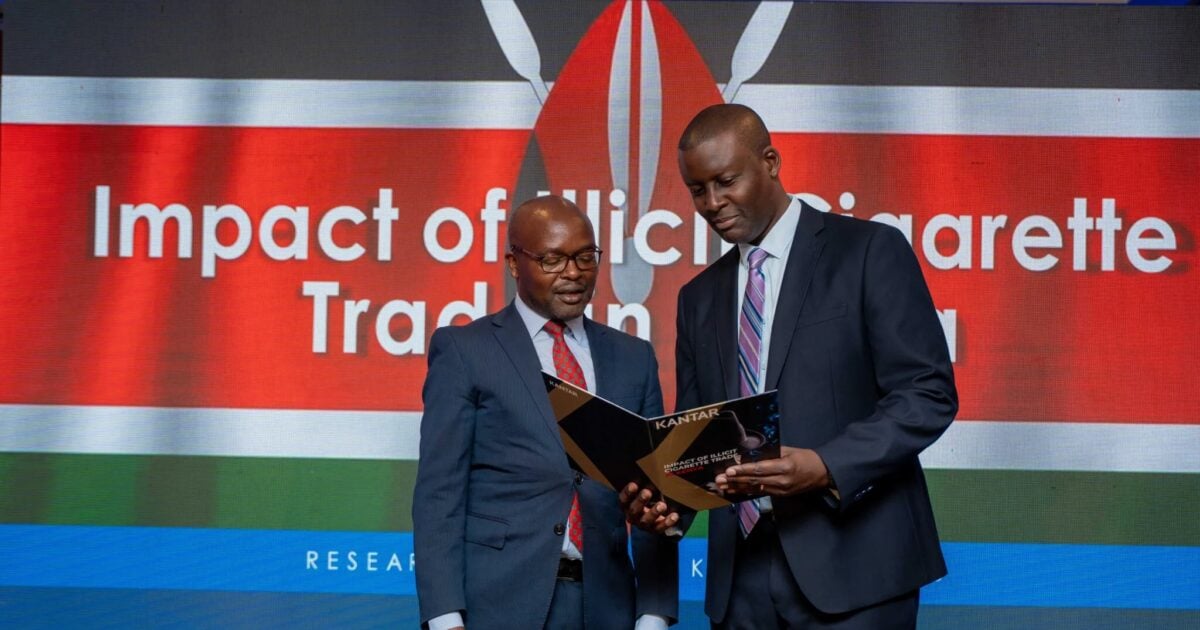
A recent study has revealed that the Kenyan government is projected to lose an alarming Sh47 billion in excise duty and Value Added Tax (VAT) between 2021 and 2025 due to the widespread illicit cigarette trade. This significant Kenya illicit cigarette trade tax loss represents a substantial drain on public finances. The comprehensive Kantar study, commissioned by BAT Kenya, indicates that nearly half of all cigarettes consumed within the country are illicit, highlighting a pervasive challenge for regulators and legitimate businesses alike.
The research further projects that by 2025, illicit cigarettes will constitute 45.1 percent of the total cigarette consumption in Kenya, meaning that almost one out of every two cigarettes purchased will have bypassed official tax channels. For the purposes of this Kantar study illicit tobacco Kenya, illicit cigarettes are precisely defined as products on which the applicable taxes have not been remitted, or which fail to adhere to other established regulatory requirements. This broad definition underscores the multifaceted nature of the problem, encompassing both tax evasion and non-compliance with health and safety standards.
Economic Fallout and Missed Opportunities
The financial impact of this illicit market extends beyond mere tax revenue, representing a significant opportunity cost for national development. The Sh47 billion in lost excise duty and VAT, for instance, could have been strategically deployed to fund critical government initiatives. This sum is equivalent to the cost of constructing approximately 48,000 affordable housing units, purchasing 19 million bags of subsidized fertilizer for farmers, or acquiring 12 million bags of maize to bolster food security.
Moreover, the study draws a direct correlation between escalating excise taxes and a noticeable decline in revenue generated by the legal cigarette industry. A cumulative increase of 55 percent in cigarette excise duty, implemented between 2018 and 2022, coincided with a Sh1 billion reduction in excise revenue from the legitimate sector during the identical period. The BAT Kenya revenue loss report further details the broader economic repercussions, estimating a loss of 4,700 jobs across the legal tobacco value chain between 2022 and 2025, alongside a Sh37.7 billion decrease in the industry's overall contribution to Kenya's Gross Domestic Product. This illustrates the severe economic strain placed on the formal sector by the prevalence of illicit trade and the challenges faced by the Kenya lost excise duty cigarettes market.
Industry Calls for Enhanced Enforcement
In response to these concerning findings, Sidney Wafula, the Managing Director of BAT Kenya, has urged the government to implement sustained and robust measures to combat the illicit trade. His recommendations include strengthening border controls to prevent the influx of illegal products, accelerating investigations and prosecutions of those involved, and imposing more stringent, deterrent penalties to discourage future illicit activities. These calls underscore the urgent need for enhanced illicit tobacco market enforcement Kenya.
Wafula also advocated for the implementation of an enhanced track-and-trace system, which would significantly improve oversight of tobacco products throughout the entire supply chain, from manufacturing to retail. He cautioned that the unchecked expansion of illicit trade poses a serious threat, not only by undermining legitimate businesses and government revenue but also by jeopardizing employment opportunities and exposing consumers to products that operate outside established regulatory frameworks. BAT Kenya has reiterated its commitment to collaborating with government agencies to address this issue and safeguard the integrity of legitimate businesses operating in the country. Compliance officers and legal counsel in Kenya's tobacco sector should anticipate heightened regulatory scrutiny, increased enforcement actions, and potential legislative changes, including stronger border controls and enhanced track-and-trace systems, as the government seeks to curb the significant tax revenue loss from illicit cigarette trade.
Practical Implications
Compliance officers and legal counsel in Kenya's tobacco sector should anticipate heightened regulatory scrutiny, increased enforcement actions, and potential legislative changes, including stronger border controls and enhanced track-and-trace systems, as the government seeks to curb the significant tax revenue loss from illicit cigarette trade.
Source
How does this affect you?
Get an AI analysis of this article grounded in your jurisdictions, practice areas, and any policy documents you've uploaded to Wansom.
Wansom is AI and can make mistakes.