
Kenya High Court: LSK Boycott Petition Advances to Full Hearing
Summary
- The High Court dismissed the Law Society of Kenya's (LSK) preliminary objection against a constitutional challenge to its targeted judicial boycott.
- Justice David Mburu ruled that the petition, filed by Dr. Adrian Kamotho Njenga, raises constitutional questions beyond the scope of LSK's internal dispute resolution mechanisms.
- The LSK's boycott, initiated in July, targeted specific judges and judicial officers accused of obstructing complaints against them, citing concerns over judicial accountability.
- The court found that the dispute impacts a broad range of stakeholders, including advocates, litigants, judges, and court users, and falls under the High Court's constitutional jurisdiction.
- The ruling means the petition and a Notice of Motion dated July 24, 2026, will now proceed to a full determination on their merits.
High Court Paves Way for Constitutional Review of LSK Boycott
Lawyers should closely monitor the progression of this constitutional challenge against the LSK's targeted judicial boycott, as the High Court's eventual determination will set a precedent on the legality of such actions and their impact on judicial independence and access to justice in Kenya.
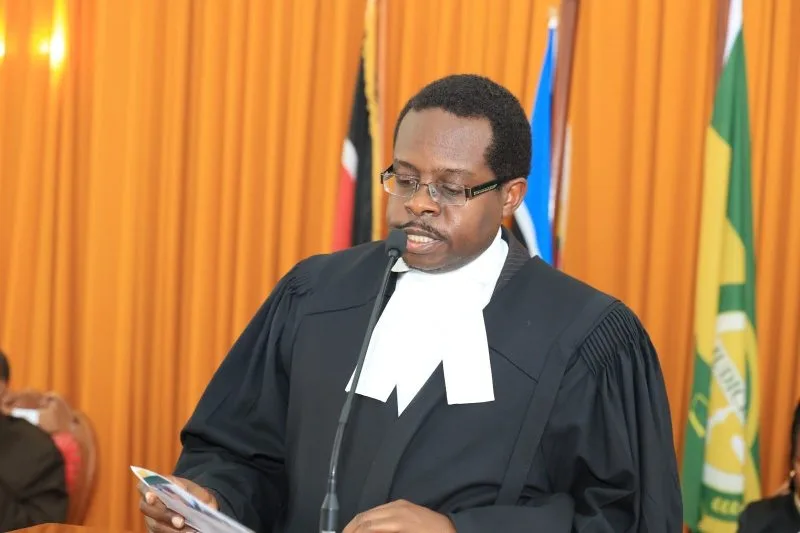
The Law Society of Kenya (LSK) recently encountered a significant legal setback when the High Court dismissed its attempt to have a constitutional challenge against its targeted judicial boycott struck out at the preliminary stage. Justice David Mburu, in a ruling delivered on Thursday, determined that the petition, initiated by lawyer Dr. Adrian Kamotho Njenga, raises profound constitutional questions that extend beyond the purview of the Society's internal dispute resolution mechanisms.
This pivotal decision means that the Kenya High Court LSK boycott petition, along with a related Notice of Motion dated July 24, 2026, will now proceed to a full hearing and determination on their substantive merits. The ruling effectively clears the path for a comprehensive judicial review of the LSK's controversial directives, which have sparked considerable debate within the legal fraternity and among the public.
The Genesis of the LSK's Controversial Directives
The legal dispute originates from a series of resolutions and communications issued by the LSK in July. These actions included a nationwide court boycott on July 22, followed by an indefinite targeted boycott of specific courts presided over by particular judges and judicial officers. The LSK justified these measures by citing concerns over judicial accountability, alleged misconduct, persistent delays in the administration of justice, and other systemic challenges impacting both the legal profession and court users.
The Society specified that its targeted action would focus on judges and judicial officers who, according to the LSK, had obtained court orders to prevent the Judicial Service Commission (JSC) or the Ethics and Anti-Corruption Commission (EACC) from processing complaints lodged against them. Under the boycott guidelines, advocates appearing before these targeted judicial officers were instructed to seek adjournments, request case transfers, or move for recusal. Furthermore, the LSK directed that affected judges should only deliver pending rulings and judgments, refraining from presiding over fresh hearings until the disciplinary issues surrounding them were resolved. Dr. Adrian Kamotho Njenga subsequently moved to the High Court, initiating the LSK judicial boycott constitutional challenge, arguing that these measures were illegal and unconstitutional, threatening access to justice, legal representation, and judicial independence, while also interfering with judges' and judicial officers' ability to discharge their constitutional duties.
Judicial Scrutiny of LSK's Jurisdictional Claims
The Law Society of Kenya had vigorously opposed the petition through a preliminary objection, contending that Dr. Kamotho should have first exhausted the internal dispute-resolution mechanisms outlined in Regulations 95 and 96 of the Law Society of Kenya (General) Regulations, 2020. The Society argued that these provisions offered adequate avenues, including negotiation, conciliation, mediation, and arbitration, for resolving disputes involving the LSK, its members, and its governance functions, thus asserting that the High Court had been approached prematurely and lacked jurisdiction.
Justice David Mburu, in his LSK ruling, meticulously dismantled these arguments. He found that the dispute, as presented, transcended a mere disagreement between the LSK and one of its members, instead raising fundamental questions affecting a broad spectrum of stakeholders, including advocates, litigants, judges, judicial officers, and other court users. The court emphasized that the petition necessitated an interpretation of the Constitution and a determination of whether constitutional rights and freedoms had been violated, denied, infringed, or threatened, thereby falling squarely within the High Court's constitutional jurisdiction under Article 165. Justice Mburu further clarified that an arbitrator operating under Regulation 96 would lack the authority to determine such constitutional questions or grant the full range of constitutional remedies sought, effectively nullifying the doctrine of exhaustion in this context. He also noted that the involvement of parties beyond the LSK and its membership, such as judges, judicial officers, and the JSC, further distinguished the matter from a purely internal dispute, rejecting the LSK's assertion that the petition improperly transformed an internal governance issue into a constitutional one.
Broader Implications for Judicial Independence and Access to Justice
The High Court's decision to allow the Kenya High Court LSK boycott petition to proceed carries significant weight for the future of judicial independence and the right to access justice in Kenya. By affirming its jurisdiction over such a matter, the court has underscored the constitutional imperative to address challenges that potentially undermine the functioning of the judiciary and the rights of citizens. The ongoing Adrian Kamotho Njenga LSK suit will now delve into the substantive arguments regarding the legality and constitutionality of the LSK's targeted boycott.
Lawyers should closely monitor the progression of this constitutional challenge against the LSK's targeted judicial boycott, as the High Court's eventual determination will set a precedent on the legality of such actions and their impact on judicial independence and access to justice in Kenya. The case highlights the delicate balance between professional bodies' oversight roles and the constitutional rights of individuals and institutions, promising to shape the landscape of legal practice and judicial accountability for years to come.
Practical Implications
Lawyers should closely monitor the progression of this constitutional challenge against the LSK's targeted judicial boycott, as the High Court's eventual determination will set a precedent on the legality of such actions and their impact on judicial independence and access to justice in Kenya.
Source
How does this affect you?
Get an AI analysis of this article grounded in your jurisdictions, practice areas, and any policy documents you've uploaded to Wansom.
Finish Reading the Full Story and the Expert Analysis.
Get the latest legal & regulatory intelligence in Kenya
Wansom is AI and can make mistakes.