
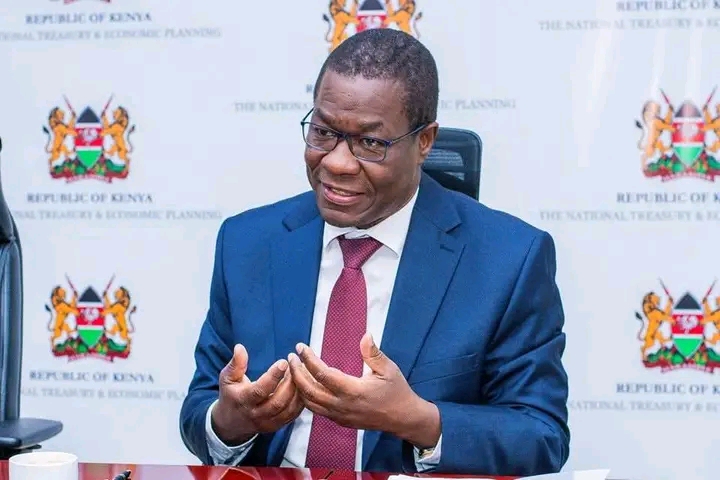
Kenya Energy Ministry: LPG Crackdown Targets Illegal Refilling Stations
Summary
- Energy and Petroleum Cabinet Secretary Opiyo Wandayi announced an intensified crackdown on illegal LPG traders in Kenya.
- Wandayi dismissed opposition claims of unfair treatment, clarifying that only illegal refilling stations are being targeted.
- The government's primary objective for these enforcement actions is to improve public safety.
- Accusations from the opposition alleged that the government was illegally confiscating LPG cylinders from traders.
Intensified Enforcement in Kenya's LPG Sector
Cabinet Secretary Opiyo Wandayi has firmly stated that the government's intensified crackdown on illegal LPG traders is solely aimed at enhancing public safety.
Kenya's Energy and Petroleum Cabinet Secretary, Opiyo Wandayi, has announced a significant escalation in the government's efforts to regulate the liquefied petroleum gas (LPG) market. This intensified Kenya Energy Ministry LPG crackdown is specifically targeting illicit operations within the sector, with a clear focus on improving public safety standards across the country.
The government's stance comes amidst ongoing enforcement actions designed to bring greater order and compliance to the distribution and sale of cooking gas. These measures are part of a broader initiative to ensure that all LPG trade activities adhere strictly to established safety protocols and licensing requirements, thereby safeguarding consumers and the environment from potential hazards associated with unregulated practices.
Cabinet Secretary Wandayi's declaration underscores a firm commitment from the ministry to eradicate unauthorized activities that compromise the integrity and safety of the LPG supply chain. This proactive approach is expected to have far-reaching implications for all stakeholders involved in the Kenyan energy sector, particularly those dealing with LPG products.
Addressing Allegations and Clarifying Targets
In response to accusations from opposition figures regarding the government's handling of LPG traders, Cabinet Secretary Opiyo Wandayi has unequivocally dismissed claims of unfair treatment. The opposition had alleged that government agencies were illegally confiscating LPG cylinders from various traders, prompting a direct clarification from the Energy and Petroleum Ministry.
Wandayi's statement clarified that the enforcement actions are not arbitrary but are precisely aimed at Kenya illegal LPG refilling stations. He emphasized that legitimate businesses operating within the regulatory framework have no cause for concern, as the crackdown is solely focused on entities that flout established LPG safety regulations Kenya. This distinction is crucial for understanding the scope and intent of the government's intervention.
The Cabinet Secretary's remarks serve to reassure compliant businesses while sending a strong message to those operating outside the law. The government's objective remains to foster a safe and regulated environment for LPG consumption, ensuring that all market participants contribute positively to public welfare rather than posing risks.
Implications for Compliance and Trade
The announced intensification of the crackdown signals a period of heightened scrutiny for all players in the LPG sector. Businesses involved in the storage, transportation, and sale of LPG are now expected to review their operational compliance meticulously to avoid penalties and ensure adherence to the evolving regulatory landscape. This push for stricter Kenya energy sector compliance is a direct outcome of the government's commitment to public safety.
This renewed focus on LPG trade enforcement Kenya means that unauthorized refilling stations, which often operate without proper licenses or safety equipment, will face severe consequences. The government's resolve to improve public safety is the driving force behind these measures, aiming to eliminate the risks posed by substandard practices and products in the market.
Ultimately, the ministry's actions are designed to create a more secure and trustworthy LPG market for consumers. The intensified crackdown is a clear indication that the government will not tolerate operations that jeopardize public health and safety, reinforcing the importance of strict adherence to all relevant regulations for sustainable and responsible trade.
Practical Implications
Lawyers advising clients in Kenya's LPG sector should proactively review their clients' licensing and operational compliance to mitigate risks associated with the intensified government crackdown on illegal refilling stations and ensure adherence to safety regulations.
Source
How does this affect you?
Get an AI analysis of this article grounded in your jurisdictions, practice areas, and any policy documents you've uploaded to Wansom.
Wansom is AI and can make mistakes.