
Kenya EADB Bill 2026: President Ruto Signs Law for Funds Approval
Summary
- President William Ruto signed the EADB Bill 2026 into law on Thursday.
- The new law mandates the National Treasury cabinet secretary to obtain parliamentary approval before committing funds to the East African Development Bank.
- This legislative change was prompted by a High Court ruling that declared sections 2(1) and 2(2) of the previous EADB Act invalid.
- The Bill introduces mandatory parliamentary oversight for Kenya's financial contributions to the EADB.
What Happened
For the first time, the National Treasury EADB parliamentary approval becomes a mandatory step, signifying a shift towards greater transparency and accountability in the deployment of state resources.
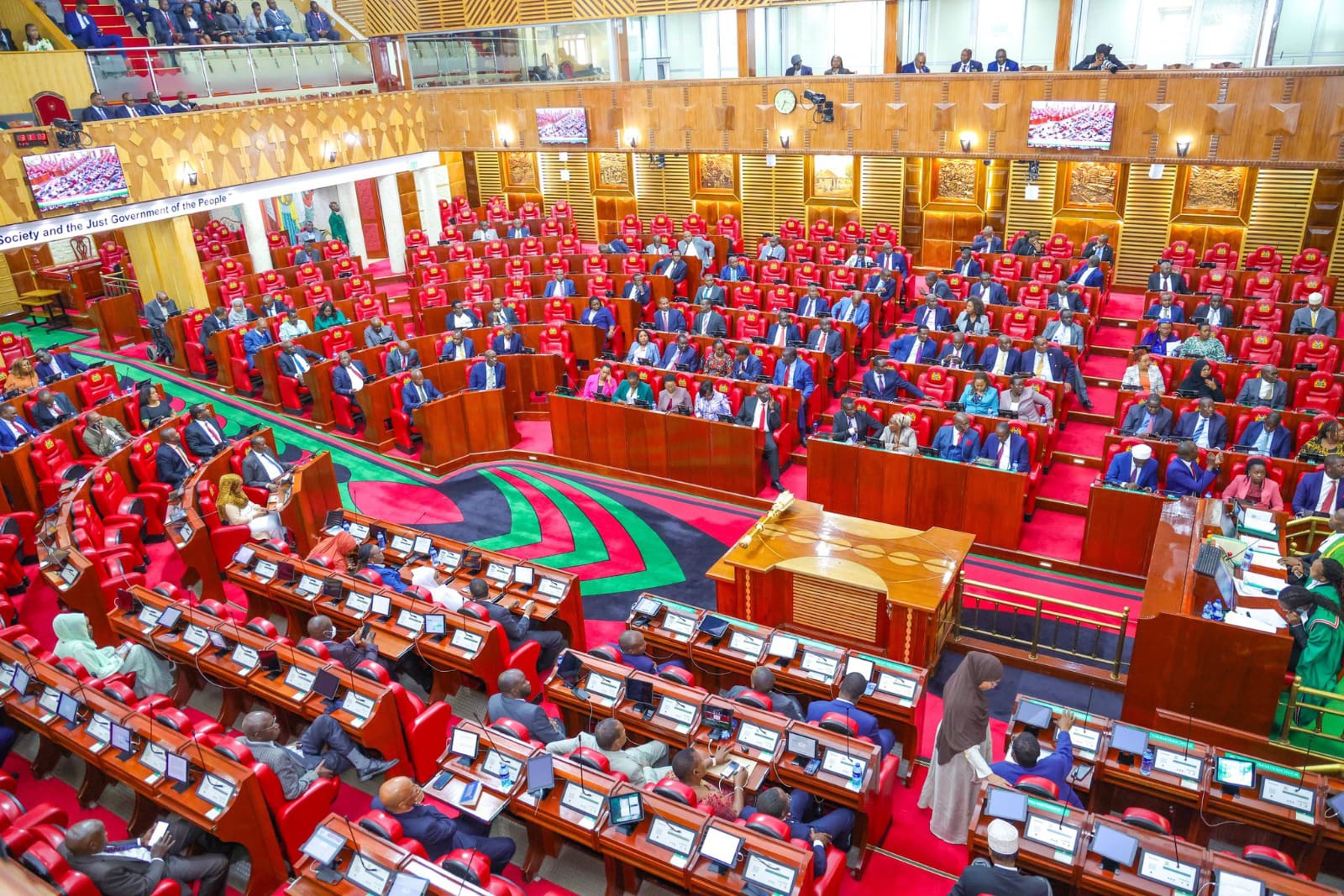
President William Ruto recently enacted the East African Development Bank (EADB) Bill 2026 into law, a legislative action that fundamentally alters the process for allocating public funds to the regional financial institution. This pivotal development, which occurred on Thursday, establishes a new requirement for the National Treasury cabinet secretary. Moving forward, the cabinet secretary must secure explicit approval from Members of Parliament before any financial commitments can be made to the East African Development Bank.
This legislative change introduces a critical layer of parliamentary oversight over the executive's financial engagements with the EADB. The Kenya EADB Bill 2026 funds approval mechanism ensures that decisions regarding the nation's contributions to the bank are subject to rigorous scrutiny and debate within the legislative body, rather than being solely an executive prerogative. This marks a notable evolution in Kenya's approach to managing its international financial obligations and underscores a broader trend towards enhanced accountability in public finance.
Legal Context
The recent EADB Act amendments Kenya were not merely a discretionary policy choice but a direct response to a significant judicial intervention. The High Court had previously issued a ruling that declared sections 2(1) and 2(2) of the existing East African Development Bank Act to be legally invalid. This judicial pronouncement created a legislative vacuum and highlighted a deficiency in the prior framework, which had allowed for financial commitments to the EADB without the explicit consent of the national legislature.
The High Court's decision underscored the constitutional principle that significant financial undertakings by the government, particularly those involving public funds and international obligations, should ideally be subject to parliamentary scrutiny. The EADB Bill 2026, now signed into law, serves to rectify this identified legal flaw by embedding the necessary parliamentary approval mechanism directly into the statute. This ensures that future financial engagements with the East African Development Bank are conducted within a legally sound and constitutionally compliant framework, aligning with principles of good governance and fiscal transparency.
Why It Matters
The implementation of the Kenya EADB Bill 2026 funds approval process carries substantial implications for the nation's public finance landscape and its engagement with regional economic bodies. For the first time, the National Treasury EADB parliamentary approval becomes a mandatory step, signifying a shift towards greater transparency and accountability in the deployment of state resources. This change means that any future financial contributions or commitments to the East African Development Bank funding Kenya will undergo a more robust legislative review, potentially influencing the speed and nature of such engagements.
This development is particularly pertinent for legal professionals advising government entities or involved in public finance in Kenya. They must now meticulously account for this additional layer of legislative oversight and procedural requirement when structuring or approving financial commitments to the EADB. The amendments to Kenya's public finance legislation reinforce the legislature's role in safeguarding public funds and ensuring that international financial agreements align with national priorities and fiscal prudence. This move sets a precedent for how similar international financial obligations might be handled in the future, emphasizing the growing importance of parliamentary consent in such matters.
Practical Implications
Lawyers advising government entities or involved in public finance in Kenya must now account for the mandatory parliamentary approval process for funds committed to the East African Development Bank, as stipulated by the newly enacted EADB Bill 2026. This introduces an additional layer of legislative oversight and procedural requirement for such financial commitments.
Source
How does this affect you?
Get an AI analysis of this article grounded in your jurisdictions, practice areas, and any policy documents you've uploaded to Wansom.
Finish Reading the Full Story and the Expert Analysis.
Get the latest legal & regulatory intelligence in Kenya
Wansom is AI and can make mistakes.