
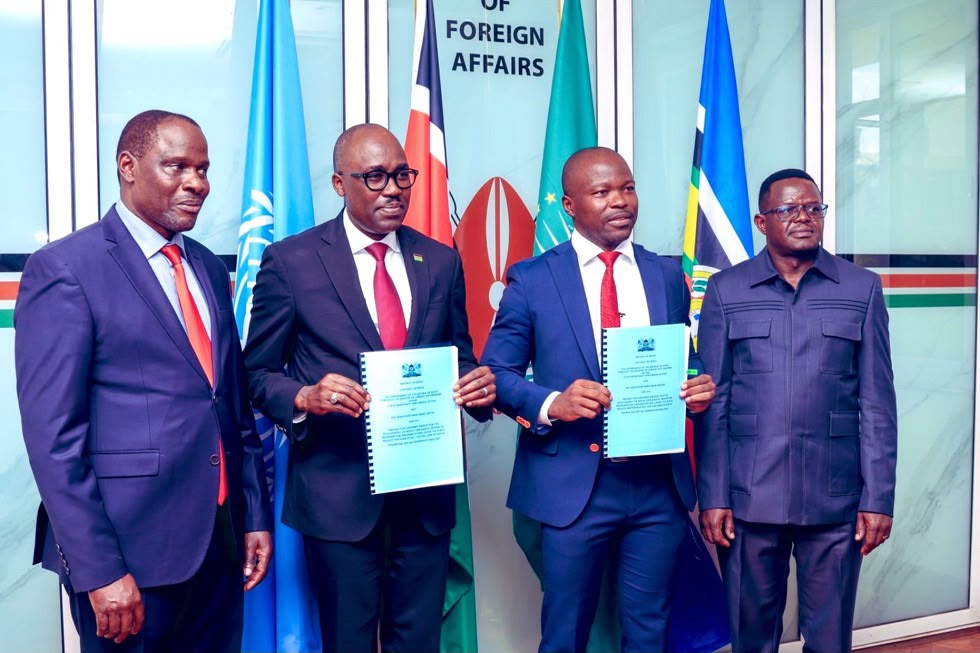
Kenya: Diplomatic Infrastructure PPP Framework Adopted
Summary
- The Kenyan government is adopting a Public-Private Partnership (PPP) framework.
- This framework aims to modernize the nation's diplomatic infrastructure.
- A key objective is to progressively reduce government rental expenditure.
- The initiative also seeks to unlock the economic value of existing state properties.
- Freed-up public resources will be redirected towards other national priority areas.
A New Approach to Diplomatic Assets
The Kenyan government is embarking on a strategic initiative to overhaul its diplomatic infrastructure, adopting a Public-Private Partnership (PPP) framework to achieve this ambitious goal.
The Kenyan government is embarking on a strategic initiative to overhaul its diplomatic infrastructure, adopting a Public-Private Partnership (PPP) framework to achieve this ambitious goal. This move signifies a fundamental shift in how the nation manages its international real estate portfolio, aiming for enhanced efficiency and value creation across its global presence. The Ministry of Foreign Affairs is spearheading this modernization effort, recognizing the critical role that well-maintained and strategically managed diplomatic properties play in effectively representing Kenya on the global stage and facilitating international relations.
This comprehensive approach through the Kenya diplomatic infrastructure PPP framework is designed to address several key objectives simultaneously. It represents a deliberate strategy by the government to leverage private sector expertise, innovation, and capital in areas traditionally managed solely by public funds. The focus is not merely on routine maintenance or incremental improvements, but on a broader, transformative upgrade that aligns diplomatic assets with contemporary operational needs and principles of financial prudence. This strategic pivot underscores a commitment to innovative governance in managing state assets abroad, ensuring they serve national interests optimally.
Strategic Financial Objectives
A primary aim of implementing this PPP framework is the progressive reduction of rental expenditure currently incurred by the government for its diplomatic operations worldwide. By transitioning away from leased properties, optimizing the utilization of existing owned assets, or developing new, more cost-effective facilities through private collaboration, Kenya seeks to free up significant financial outlays that can then be reallocated. This fiscal discipline is a cornerstone of the new strategy, ensuring that taxpayer money is utilized more effectively and sustainably in the long term, thereby strengthening the nation's financial posture.
Furthermore, the government intends to unlock the economic value inherent in its existing properties, which form a crucial part of the Kenya government real estate PPP initiative. This objective suggests a thorough evaluation and potential repurposing, redevelopment, or strategic monetization of underutilized or strategically important real estate holdings. Through collaboration with private entities, these assets can be transformed from mere operational costs into valuable contributors to the national balance sheet, potentially generating revenue or providing superior facilities without requiring direct, upfront public investment. This initiative highlights a sophisticated understanding of real estate as a strategic asset class within the broader context of public private partnerships Kenya infrastructure development.
Reallocating Public Resources
The adoption of the Kenya diplomatic infrastructure PPP framework is intrinsically linked to the broader goal of redirecting public resources. By achieving substantial savings through reduced rental expenditure and unlocking latent value from existing properties, the government aims to channel these freed-up funds towards other priority areas within the national agenda. This strategic reallocation ensures that public finances are optimized, allowing for increased investment in critical domestic development projects, essential social services, and other key sectors that directly benefit Kenyan citizens and drive national progress.
This strategic redirection of resources underscores the far-reaching implications of the modernisation diplomatic properties Kenya initiative. It is not just about improving the physical infrastructure of diplomatic missions; it is about creating a more agile, efficient, and financially responsible government that can better serve its populace. The Kenya Foreign Affairs PPP model provides a robust mechanism to achieve these fiscal efficiencies, allowing the Ministry of Foreign Affairs to enhance its operational capabilities and global representation while simultaneously contributing to broader national development priorities and economic stability.
Practical Implications
Lawyers specializing in public-private partnerships, real estate, or government procurement in Kenya should monitor upcoming tenders and regulatory developments as the Ministry of Foreign Affairs implements this framework to modernize its diplomatic infrastructure, potentially creating new opportunities for private sector involvement.
Source
How does this affect you?
Get an AI analysis of this article grounded in your jurisdictions, practice areas, and any policy documents you've uploaded to Wansom.
Finish Reading the Full Story and the Expert Analysis.
Get the latest legal & regulatory intelligence in Kenya
Wansom is AI and can make mistakes.