
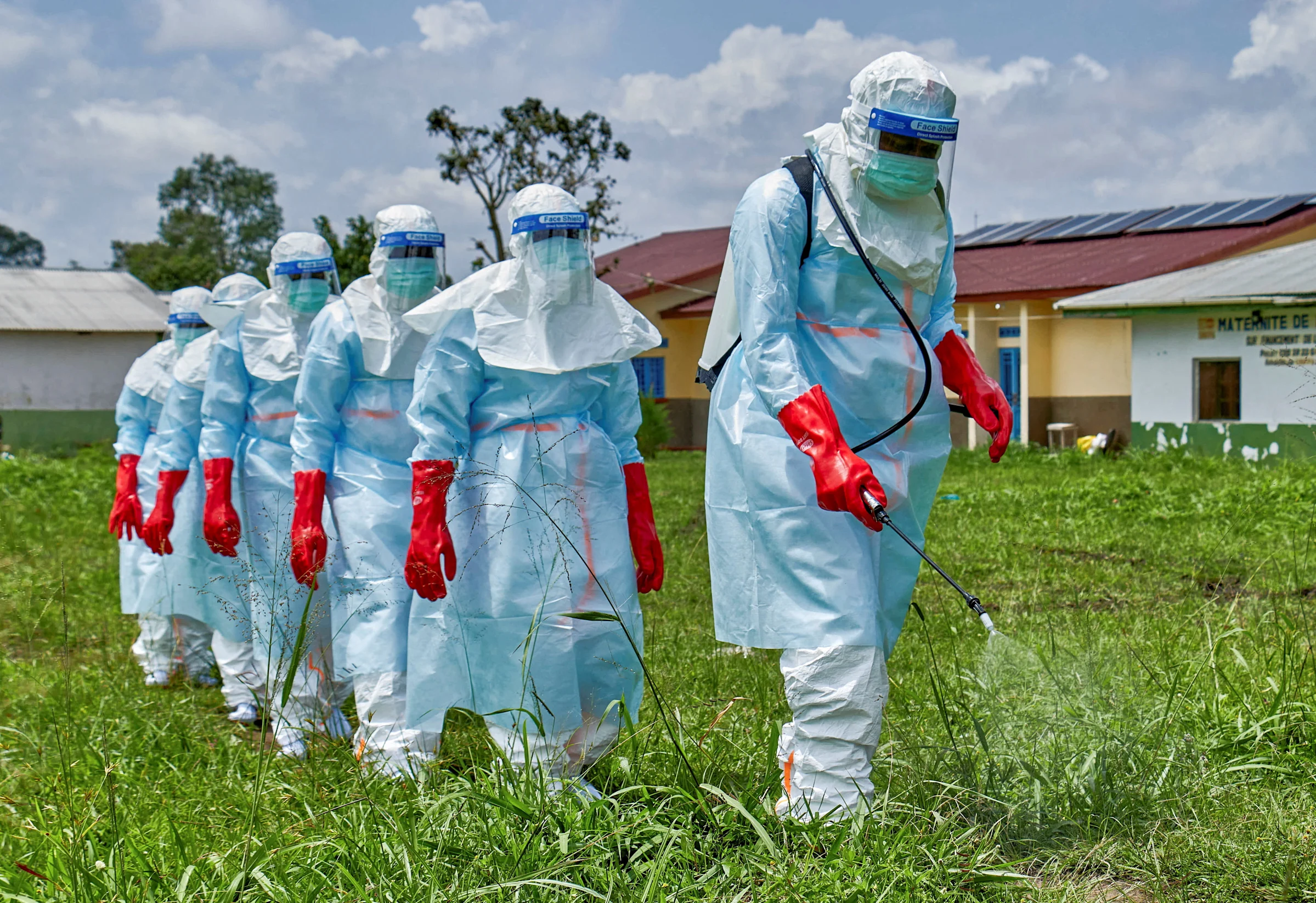
Kenya: Enhances Border Disease Surveillance to Combat Ebola, Mpox
Summary
- The Kenyan government has intensified disease surveillance at informal border crossings, truck-driver stopovers, and other high-volume points.
- These measures are part of ongoing efforts to detect and contain infectious diseases, including Ebola and Mpox.
- Multi-agency teams, comprising personnel from the Kenya Defence Forces, National Police Service, and National Government Administration Officers, have been trained for this expanded surveillance.
- Their mandate extends surveillance efforts beyond formal points of entry to enhance public health security.
- This enhancement signals potential operational disruptions and increased compliance scrutiny for cross-border businesses in Kenya.
Enhanced Health Security Measures in Kenya
The implementation of these stringent Kenya public health security measures carries significant implications for businesses engaged in cross-border logistics and trade within the region.
The Kenyan government has significantly stepped up its efforts to safeguard public health by implementing enhanced disease surveillance across critical entry and transit points. This strategic move targets the rapid detection and effective containment of highly infectious diseases, specifically mentioning Ebola and Mpox, alongside other potential pathogens that pose a threat to the nation's well-being. The initiative underscores a proactive approach to Kenya border disease surveillance enhancement, aiming to fortify the country's defenses against imported health crises and ensure the safety of its population.
These intensified surveillance activities are not confined to traditional checkpoints but extend to a broader array of locations deemed high-risk. Authorities are now focusing particular attention on informal border crossings, which often present vulnerabilities in disease monitoring. Furthermore, truck-driver stopovers, recognized as crucial nodes in cross-border logistics, are under increased scrutiny, as are various other high-volume points where human movement is concentrated. This comprehensive coverage is a key component of Kenya Ebola Mpox control strategies, reflecting a commitment to robust Kenya infectious disease border points management.
A Coordinated Multi-Agency Response
Central to this expanded surveillance framework is the deployment of specialized multi-agency teams, meticulously trained to execute their critical duties. These teams comprise personnel drawn from several key government bodies, ensuring a broad spectrum of expertise and operational reach. Specifically, members from the Kenya Defence Forces, the National Police Service, and National Government Administration Officers have been integrated into these units. This collaborative structure highlights a robust Kenya multi-agency health surveillance model designed for maximum effectiveness.
The training provided to these diverse teams equips them to extend their surveillance capabilities beyond the confines of formal points of entry. This strategic expansion is vital for intercepting potential health threats that might otherwise bypass conventional checkpoints, thereby strengthening Kenya cross-border health measures. By leveraging the combined resources and authority of these agencies, the government aims to create a more impenetrable public health security apparatus, enhancing the overall resilience of the nation against infectious disease outbreaks.
Operational and Compliance Implications for Cross-Border Trade
The implementation of these stringent Kenya public health security measures carries significant implications for businesses engaged in cross-border logistics and trade within the region. The heightened scrutiny at informal border crossings, truck-driver stopovers, and other high-volume points signals a potential for operational disruptions that could affect the flow of goods and services. Companies involved in the movement of goods and personnel across Kenyan borders should anticipate increased processing times and more rigorous health checks, which could directly impact supply chain efficiency, delivery schedules, and overall operational costs.
This enhanced surveillance framework also introduces a new layer of compliance scrutiny for businesses. Legal and compliance departments should recognize that these developments necessitate a review of existing operational protocols and employee travel policies. While the primary goal is public health protection, the practical outcome for cross-border operations will likely involve adapting to new health protocols and navigating potential delays, underscoring the need for proactive planning and adherence to evolving regulatory requirements.
Practical Implications
This development signals potential operational disruptions and increased compliance scrutiny for businesses involved in cross-border logistics and trade in Kenya. Legal and compliance officers should advise clients on potential delays, new health protocols, and employee travel policies impacting cross-border movement.
Source
How does this affect you?
Get an AI analysis of this article grounded in your jurisdictions, practice areas, and any policy documents you've uploaded to Wansom.
Finish Reading the Full Story and the Expert Analysis.
Get the latest legal & regulatory intelligence in Kenya
Wansom is AI and can make mistakes.