
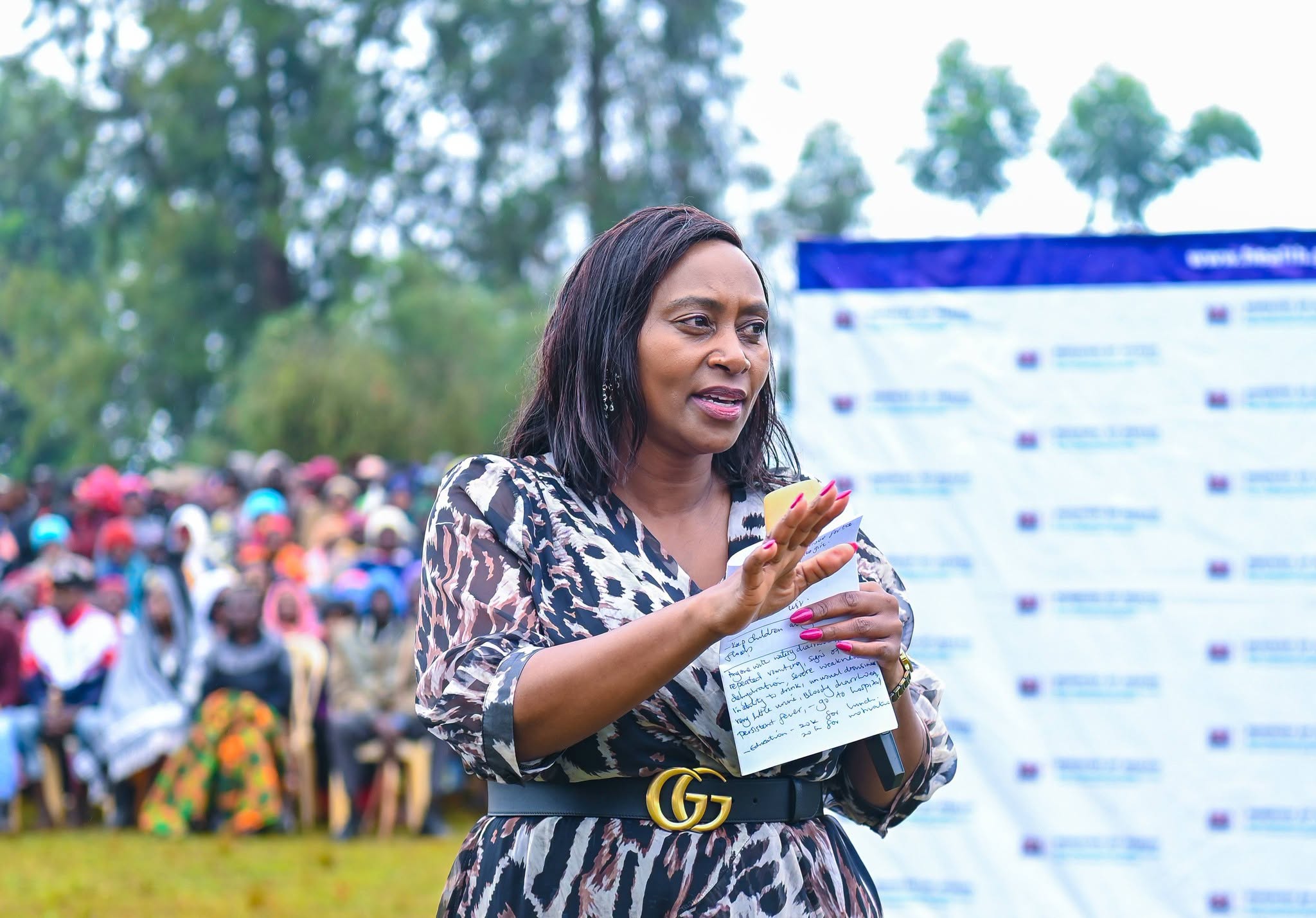
Kenya Ministry Health: El Niño Waterborne Disease Warning Issued
Summary
- Kenya's Ministry of Health has issued a warning about an increased risk of waterborne diseases like cholera and typhoid due to anticipated El Niño rains.
- Principal Secretary, State Department for Public Health and Professional Standards, Mary Muthoni, clarified this is a high-risk advisory, not an outbreak, particularly for densely populated urban areas including Nairobi and Mombasa.
- The Ministry urges the public to use approved water treatment, practice strict hygiene, and report sewage issues, while directing county governments to intensify water quality monitoring and address infrastructure vulnerabilities.
- Healthcare facilities are instructed to prepare with adequate supplies, staffing, and surveillance, with Community Health Promoters playing a key role in community education.
- A national El Niño contingency plan is in place to coordinate efforts, focusing on contamination prevention, early detection, and timely treatment.
Public Health Warning Issued
The Ministry's immediate priorities are to prevent contamination, detect illnesses early, and ensure timely treatment for those who become sick.
Kenya's Ministry of Health has issued a comprehensive public health warning, anticipating a surge in waterborne diseases such as cholera, typhoid, and dysentery, as the nation braces for the expected El Niño rains. This Kenya Ministry Health El Niño waterborne disease warning underscores the critical need for enhanced measures against water contamination and poor sanitation from both the public and county authorities.
Principal Secretary, State Department for Public Health and Professional Standards, Mary Muthoni, clarified that this Mary Muthoni Public Health PS advisory does not signal an active outbreak in major urban centers like Nairobi, but rather highlights a significant and elevated Kenya cholera typhoid dysentery risk. She attributed this heightened vulnerability to factors including potential water source contamination, sewage leaks, inadequate drainage systems, and substandard sanitation, particularly prevalent in densely populated urban areas. Muthoni specifically identified Nairobi, Mombasa, Kisumu, and Eldoret as cities requiring focused attention, especially within informal settlements and regions with limited access to reliable water and sanitation infrastructure.
To mitigate individual risk, the advisory urges Kenyans with uncertain or unsafe water sources to utilize approved water treatment products, strictly adhering to recommended dosages. Muthoni cautioned against the overuse of treatment tablets, emphasizing that treated water must be stored in clean, covered containers, protected from contamination by unwashed hands or utensils. Furthermore, the Ministry stressed the importance of reinforcing basic hygiene practices, including thorough handwashing after using the toilet, before preparing or eating food, and before handling infants. Residents are also encouraged to ensure food is properly cooked and consumed while hot, to consistently use toilets, and to promptly report any leaking or overflowing sewage to local authorities for immediate intervention.
Addressing Systemic Vulnerabilities
A key concern highlighted by Principal Secretary Muthoni is the systemic vulnerability of sanitation infrastructure across the country. She noted with alarm that 15 counties continue to practice open defecation, a major contributor to the spread of waterborne illnesses. This situation necessitates a robust El Niño preparedness water contamination Kenya strategy that goes beyond individual actions.
In response, the Ministry has called upon county governments to collaborate closely with water utilities and management authorities. These partnerships are crucial for intensifying water quality monitoring efforts, effectively addressing sewage leaks, safeguarding drinking water supplies, and ensuring the safe disposal of waste. This directive implicitly emphasizes Kenya water sanitation compliance El Niño requirements, placing heightened regulatory scrutiny on these entities to protect public health and prevent widespread disease outbreaks in areas like Nairobi Mombasa waterborne disease risk zones.
Healthcare System Preparedness
Beyond preventive measures, the Ministry of Health is actively directing healthcare facilities nationwide to prepare for a potential increase in patient numbers. This involves ensuring adequate stocks of rehydration supplies, essential medicines, and infection prevention materials. Facilities are also tasked with assessing staffing levels, testing backup water supplies, and reviewing referral arrangements to guarantee that suspected cases can be investigated and managed promptly.
Health teams have been instructed to immediately investigate any unusual clusters of diarrhoeal illness and to strengthen disease surveillance mechanisms to detect emerging patterns within communities. Community Health Promoters (CHPs) are designated to play a central role in this response, disseminating vital preventive health messages to households and assisting residents in early symptom identification. Muthoni confirmed that CHPs would continue to receive training and health promotion materials, including through regular sessions held every Monday at 5 p.m., to effectively cascade information to their respective communities. She urged CHPs to remain vigilant, understand local health situations, and collaborate with other health teams.
National Coordination and Priorities
The Ministry's El Niño contingency plan provides a vital framework for coordinated action across various levels of government and stakeholders. This includes national and county governments, water providers, and city authorities, all working in concert to address the impending health challenges. The overarching government preparedness efforts are currently focused on four key pillars: water safety, sanitation, disease surveillance, and health facility readiness.
Principal Secretary Muthoni articulated the Ministry's immediate priorities as preventing contamination, ensuring the early detection of illnesses, and providing timely treatment for individuals who become sick. This comprehensive approach underscores the government's intensified efforts to mitigate the health consequences associated with the anticipated heavy rains, aiming to protect the well-being of the Kenyan population.
Practical Implications
Compliance officers in sectors like hospitality, food services, and water utilities in Kenya should review and reinforce hygiene, water safety, and sanitation protocols to mitigate increased public health risks and potential liability during the El Niño period. County governments and water authorities face heightened regulatory scrutiny to intensify water quality monitoring and address sewage leaks.
Source
Source: Original reporting via The Star
How does this affect you?
Get an AI analysis of this article grounded in your jurisdictions, practice areas, and any policy documents you've uploaded to Wansom.
Finish Reading the Full Story and the Expert Analysis.
Get the latest legal & regulatory intelligence in Kenya
Wansom is AI and can make mistakes.