
Kenya: 2027 Election Rigging Allegations Emerge Against Ruto
Summary
- Controversial statements by politicians aligned with President William Ruto's administration are raising concerns about the integrity of Kenya's 2027 General Election.
- Allegations include the possibility of 'adding' votes and using fingerprints of deceased individuals to cast ballots.
- These claims have intensified doubts regarding the credibility of the vote and the ability of electoral institutions to ensure a free and fair process.
- The 2027 election is expected to be closely contested, making these allegations particularly impactful.
- The situation signals heightened legal and political risks, potentially leading to pre-election litigation or post-election petitions.
Mounting Concerns Ahead of 2027 Polls
The specific claims made by politicians aligned with the current government are particularly alarming.
With Kenya's 2027 General Election approximately eleven months away, a series of public pronouncements by political figures associated with President William Ruto's administration has ignited significant debate. These statements have directly challenged the perceived integrity of the upcoming electoral contest, sparking widespread doubts regarding the electoral process's trustworthiness and the capacity of established institutions to ensure a genuinely free and equitable election.
The controversial remarks, which include suggestions that votes could be illicitly 'added' to tallies and that the biometric data of deceased individuals might be exploited to cast ballots, have intensified existing anxieties. These allegations contribute to a climate of heightened scrutiny surrounding the Kenya 2027 election integrity concerns, particularly given the expectation that the next general election will be fiercely contested.
The focus on potential electoral manipulation, including Kenya 2027 election rigging allegations Ruto, underscores a critical period for the nation's democratic framework. The public discourse now centers on how these claims will impact voter confidence and the operational independence of electoral bodies tasked with overseeing the polls.
Allegations of Electoral Manipulation Detailed
The specific claims made by politicians aligned with the current government are particularly alarming. One assertion suggests that it would be possible to 'add' votes to the final count, implying a direct manipulation of election results. Such a claim, if substantiated, would fundamentally undermine the democratic principle of one person, one vote, and could lead to widespread accusations of Ruto administration electoral fraud.
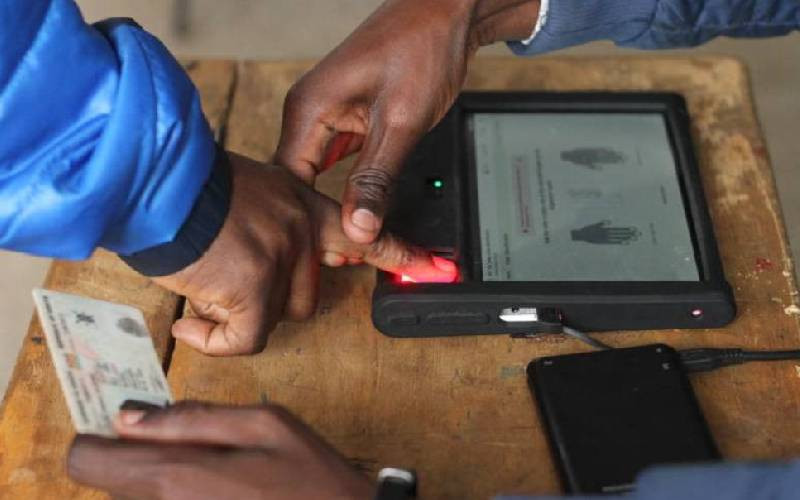
Even more disturbing are the allegations concerning the use of dead voter fingerprints Kenya election. This claim posits that biometric data, specifically fingerprints, belonging to deceased individuals could be utilized to fraudulently cast ballots. This type of electoral fraud would not only inflate vote counts but also exploit the personal data of individuals no longer able to participate in the democratic process, further eroding Kenya electoral process credibility.
These statements, emanating from within the ruling political sphere, have not been dismissed as mere political rhetoric. Instead, they have been interpreted by many as direct threats to the fairness of the upcoming election, prompting urgent calls for transparency and accountability from electoral bodies. The nature of these allegations suggests a sophisticated understanding of potential vulnerabilities within the electoral system.
Implications for Electoral Integrity and Future Stability
The cumulative effect of these controversial statements is a significant intensification of concerns over the overall integrity of Kenya's electoral process. The ability of electoral institutions to guarantee a free and fair election is now under a cloud of suspicion, even before the official campaign period for the 2027 polls fully commences. This situation poses substantial legal and political risks, as such allegations can lead to pre-election litigation and, critically, post-election petitions challenging the legitimacy of results.
For legal professionals, these 2027 Kenya general election concerns signal a need for vigilant monitoring of the political landscape. The potential for electoral disputes is high, and advising clients on electoral dispute resolution mechanisms and political risk mitigation strategies will become paramount. The credibility of the entire electoral framework hinges on how these serious allegations are addressed and whether robust safeguards can be demonstrably put in place.
Ultimately, the ongoing debate surrounding these claims highlights the fragility of public trust in electoral systems when senior political figures make statements that appear to sanction or even suggest methods of electoral manipulation. The forthcoming election, already anticipated to be closely contested, now faces an additional layer of scrutiny regarding its fundamental fairness and the integrity of its outcomes.
Practical Implications
This article signals heightened legal and political risk surrounding the 2027 Kenya General Election. Lawyers should monitor these allegations for potential pre-election litigation or post-election petitions, advising clients on electoral dispute resolution and political risk mitigation strategies.
Source
How does this affect you?
Get an AI analysis of this article grounded in your jurisdictions, practice areas, and any policy documents you've uploaded to Wansom.
Finish Reading the Full Story and the Expert Analysis.
Get the latest legal & regulatory intelligence in Kenya
Wansom is AI and can make mistakes.