
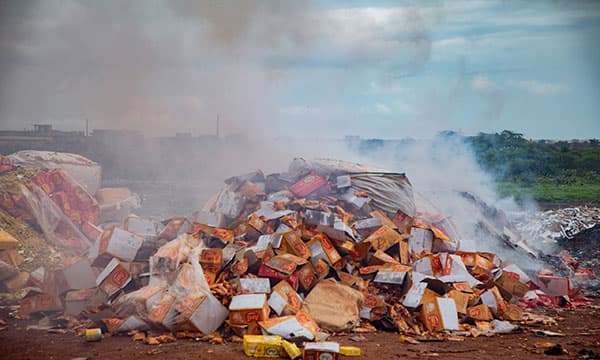
Kédougou, Senegal: Illicit Products Incineration Destroys 570M FCFA Goods
Summary
- Kédougou Governor Mariama Traoré oversaw the incineration of nine tonnes of illicit goods, valued at 570 million FCFA, seized by various Senegalese agencies.
- The destroyed items included expired products, Indian hemp, unapproved medicines, drugs, contraband cigarettes, and chemical substances linked to illegal gold mining.
- This operation follows a joint customs and army seizure in Kédougou from May 16-18, 2026, which included 1,500 kilograms of cyanide and 20,439 cigarette packets.
- A separate, recent incineration in Tambacounda destroyed 524 million FCFA worth of prohibited goods, including 580 kilograms of Indian hemp, originating from Tambacounda and Kédougou regions.
- Governor Traoré emphasized the dangers of these products to public health and the Senegalese economy, urging citizens and businesses to report illicit activities.
Major Illicit Goods Incineration in Kédougou
The Governor stressed the critical need for public involvement, urging citizens to report instances of fraud, banditry, and the circulation of prohibited items to state services to effectively combat these phenomena.
Senegal's Kédougou region recently witnessed a significant operation targeting illicit trade, as Governor Mariama Traoré presided over the destruction of nine tonnes of prohibited products. The incinerated goods, valued at an estimated 570 million FCFA, were seized over several months through the coordinated efforts of various government agencies. These included customs, hygiene services, commerce and environment departments, the gendarmerie, health services, and the National Police.
The extensive haul comprised a diverse range of contraband, highlighting the multifaceted nature of illicit activities in the area. Among the items destroyed were expired products, Indian hemp, unapproved medicines, various drugs, and contraband cigarettes. Notably, the presence of chemical products underscored a direct link between illicit trade and clandestine gold panning, a prevalent issue in the Kédougou region. The incineration ceremony took asynchronously at the Kénioto Peul communal landfill, situated on the road to Saraya, with key regional officials in attendance.
Heightened Enforcement Against Contraband
This Kédougou illicit products incineration Senegal operation is part of a broader, intensified campaign against illicit trade across eastern Senegal. The destruction of chemical products, specifically, follows a major joint operation by customs and the army between May 16 and 18, 2026, which resulted in the seizure of 1,500 kilograms of cyanide in Kédougou. This substantial quantity of cyanide was specifically intended for illegal gold extraction, alongside 20,439 packets of cigarettes, further illustrating the scale of illegal mining chemicals seizure in the region.
Beyond Kédougou, Senegal customs enforcement has also been active in nearby areas. Authorities in Tambacounda recently incinerated prohibited goods originating from both the Tambacounda and Kédougou regions, with a total estimated value of 524 million FCFA. This separate contraband destruction FCFA event included 580 kilograms of Indian hemp alone, valued at 82 million FCFA, underscoring the significant volumes and financial stakes involved in these trafficking networks across the eastern part of the country.
Official Warning and Public Appeal
During the Kédougou event, Governor Mariama Traoré lauded the efforts of the mobilized services and reiterated that the destroyed goods were unfit for consumption. She issued a stern warning, stating that these products were "very dangerous for the health of people and the Senegalese economy." The Governor urged both citizens and economic operators to remain vigilant and proactive in preventing the circulation of such items within the region.
In a call to action, the territorial administration representative appealed to the public to report any incidents related to fraud, banditry, or the trafficking of prohibited products to state services. She assured that the various agencies would remain "very mobilized" in this ongoing fight. The Governor stressed the critical need for public involvement, urging citizens to report instances of fraud, banditry, and the circulation of prohibited items to state services to effectively combat these phenomena.
Legal and Regulatory Context
The presence of high-ranking legal and administrative figures at the incineration ceremony, including the Kédougou departmental prefect El Hadji Sémou Diouf and the prosecutor of the Kédougou High Court, alongside representatives from defense and security forces and several regional technical services, underscores the serious legal implications of these illicit activities. The destruction of unapproved medicines incineration and other contraband highlights strict regulatory frameworks governing product standards, import/export, and public health in Senegal.
This concerted effort against Senegal Kédougou illicit goods signals a robust governmental stance against violations that undermine public safety and economic integrity. The focus on illegal mining chemicals seizure, in particular, reflects a commitment to curbing environmentally destructive and unregulated practices that often fuel broader criminal enterprises. The consistent enforcement actions, including the significant contraband destruction FCFA values reported, demonstrate a sustained campaign to disrupt illicit supply chains and protect the populace from hazardous products.
Practical Implications
This event signals heightened enforcement against illicit trade in Senegal's Kédougou region, particularly concerning unapproved pharmaceuticals, drugs, and illegal mining chemicals. Lawyers should advise clients involved in trade, mining, or distribution in the region to review compliance protocols for import/export, product registration, and anti-contraband measures to mitigate legal and financial risks.
Source
Source: Original reporting via ndarinfo
How does this affect you?
Get an AI analysis of this article grounded in your jurisdictions, practice areas, and any policy documents you've uploaded to Wansom.
Wansom is AI and can make mistakes.