
CAPE: EBS SNPS Integration Urged for Senegal's Vulnerable Children
Summary
- The Cellule d’Appui à la Protection de l’Enfance (CAPE) is advocating for better integration of children with specific needs (EBS) into Senegal's public social protection policies.
- Discussions at recent training cohorts, organized by DGPSN and partners, focused on integrating a service package for EBS into the National Social Protection Strategy 2016-2035 (SNPS).
- CAPE emphasizes considering vulnerability from program design and promoting an approach that combines social and child protection to meet diverse needs.
- Participants examined ways to improve access, equity, and intersectoral coordination for enfants à besoins spécifiques Sénégal.
- A separate operation in June 2026 in Rufisque successfully enrolled disabled children with the Carte d’Égalité des Chances into Universal Health Coverage across seven communes.
Call for Enhanced Social Protection for Vulnerable Children
The discussions underscored the imperative for a more inclusive framework within the country's existing social welfare systems.
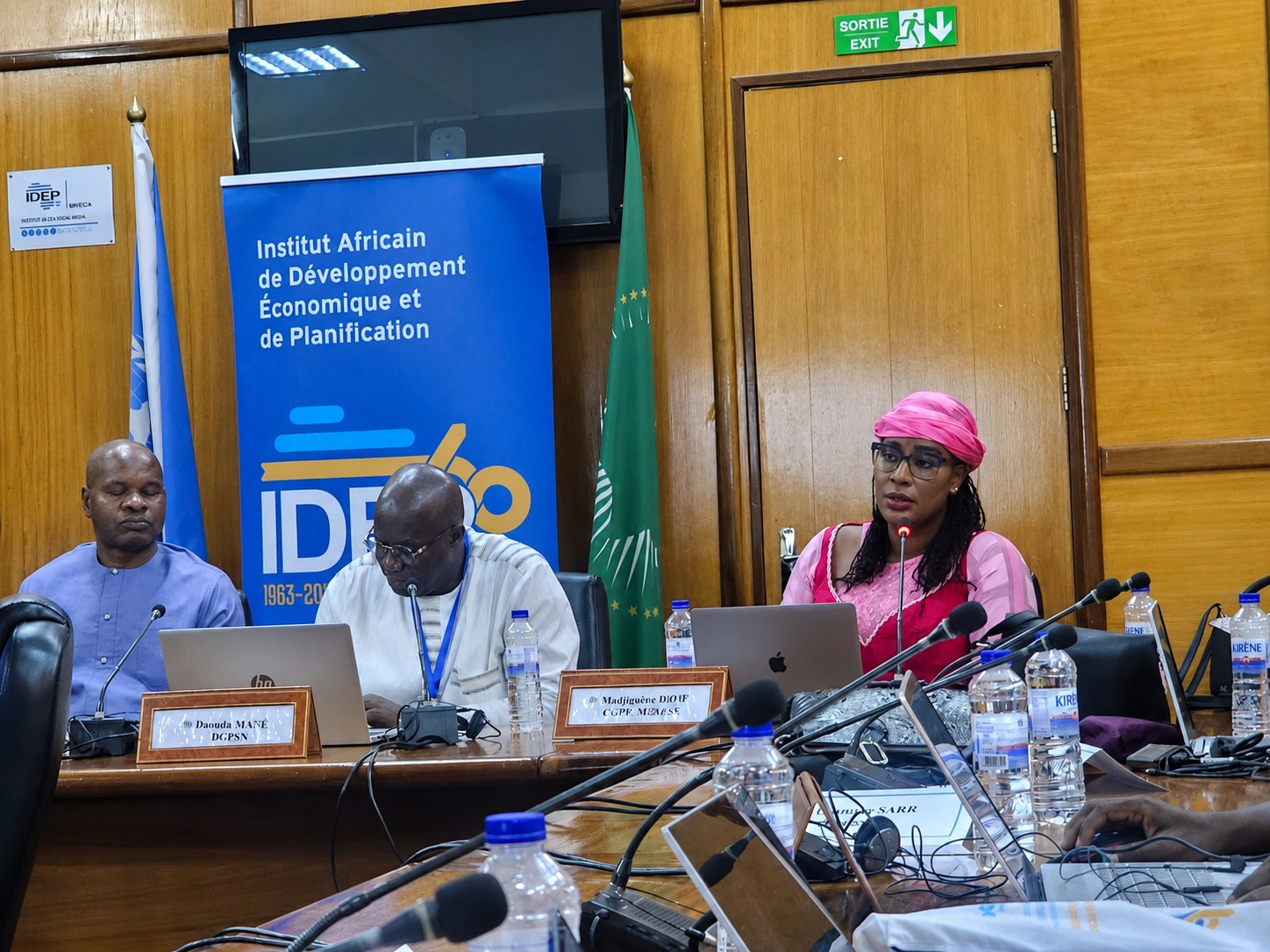
The Cellule d’Appui à la Protection de l’Enfance (CAPE) has issued a significant call for the improved integration of children with specific needs (enfants à besoins spécifiques - EBS) into Senegal's national public social protection policies. This crucial directive emerged from the conclusion of two specialized training cohorts, which focused on the intricate subjects of social protection and the economics of care across the African continent. The discussions underscored the imperative for a more inclusive framework within the country's existing social welfare systems.
The training sessions, which served as a platform for these discussions, were collaboratively organized by the Délégation générale à la Protection sociale et à la Solidarité nationale (DGPSN). Key partners in this endeavor included the United Nations Economic Commission for Africa, the African Institute for Economic Development and Planning, and the Regional Consortium on Generational Economics. Participants convened under the overarching theme of "Children with specific needs: access, equity, and intersectoral coordination," signaling a multi-faceted approach to addressing the challenges faced by this vulnerable demographic.
Integrating EBS into National Strategy
A primary focus of the recent deliberations was the concrete integration of a dedicated service package for enfants à besoins spécifiques into the Stratégie nationale de protection sociale 2016-2035 (SNPS). This strategic integration aims to ensure that the specific requirements of these children are systematically addressed within the broader national framework for social welfare. Beyond this direct integration, the discussions also explored how this specialized care could be effectively articulated with other public policies across Senegal, ensuring a cohesive and comprehensive approach to child welfare.
CAPE views this initiative as directly aligned with its core mission, which centers on the protection de l'enfance Sénégal and the promotion of children's fundamental rights. The organization strongly advocates for the proactive consideration of vulnerability situations from the very initial stages of program design and throughout the execution of national initiatives. This forward-thinking approach seeks to embed inclusivity and responsiveness into the fabric of Senegal's social programs, particularly those related to DGPSN protection sociale.
Strategic Objectives and Collaborative Efforts
The participants in the training cohorts meticulously examined various methods to enhance access to essential services for children with specific needs, improve equity in service provision, and foster closer collaboration among relevant sectors. The discussions strongly advocated for a unified approach that seamlessly combines social protection mechanisms with child protection strategies. This integrated model is designed to ensure that provisions are adequately adapted to the diverse and evolving needs of all children, particularly those requiring specialized support.
CAPE expressed its profound appreciation for the steadfast commitment demonstrated by the DGPSN in driving these critical discussions and initiatives. Furthermore, specific acknowledgment was given to Daouda Mané for his instrumental support in facilitating crucial intersectoral collaboration. This collaborative spirit is deemed essential for the successful implementation of the CAPE EBS SNPS integration Senegal, ensuring that policy translates into tangible improvements for vulnerable children.
Related Initiatives and Future Outlook
While the recent discussions focused on policy integration, a separate, tangible operation in June 2026 provided a concrete example of efforts to support disabled children. This initiative, conducted in Rufisque, successfully enrolled disabled children who possess the Carte d’Égalité des Chances into the Universal Health Coverage system across seven different communes. This demonstrates a parallel commitment to ensuring practical access to vital services for enfants à besoins spécifiques Sénégal.
Such initiatives underscore the ongoing national drive to strengthen social safety nets and ensure that no child is left behind. The focus on CAPE EBS SNPS integration Senegal, coupled with practical enrollment efforts, signals a robust and evolving landscape for child protection and social inclusion in the country. Legal and compliance professionals should closely monitor the implementation phases of these integrated policies, as they may introduce new regulatory considerations or opportunities for corporate social responsibility initiatives focused on child welfare and disability inclusion.
Practical Implications
This development signals an increased focus on inclusive social protection policies in Senegal for children with special needs. Lawyers and compliance officers should monitor the implementation of these integrations into the SNPS to advise clients on potential new regulatory requirements, funding opportunities, or CSR initiatives related to child welfare and disability inclusion.
Source
Source: Original reporting via Seneplus
How does this affect you?
Get an AI analysis of this article grounded in your jurisdictions, practice areas, and any policy documents you've uploaded to Wansom.
Wansom is AI and can make mistakes.