
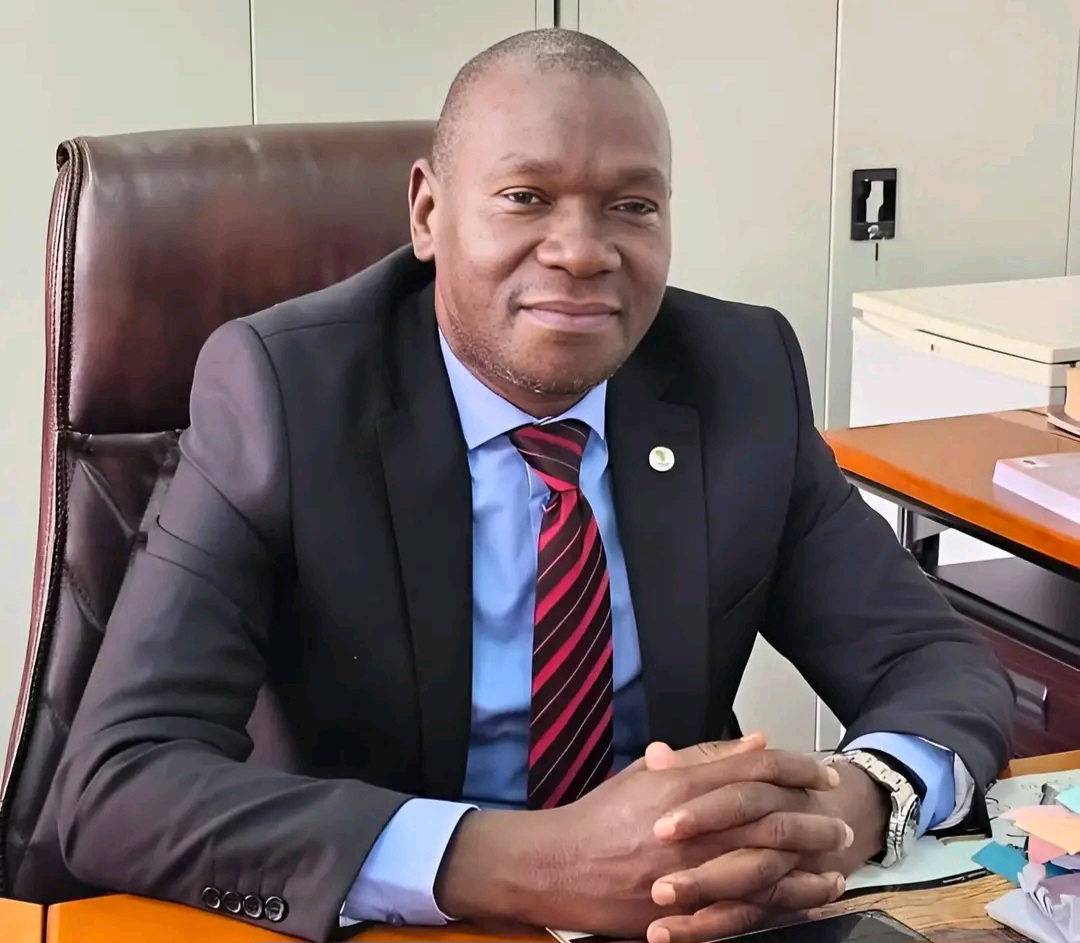
Kawana Warns Emmanuel Mwamba: Falsehoods From Abroad Face Action
Summary
- Information and Media Permanent Secretary Thabo Kawana issued a warning regarding the spread of false information from abroad.
- The warning specifically targeted Emmanuel Mwamba and other individuals using social media for such activities.
- Kawana indicated that the time for these individuals to spread falsehoods without consequence is running out.
- He also stated that a proposed increase in ministries from 25 to 30 would not deplete public resources.
Official Warning Issued
The government's stated determination to pursue individuals regardless of their location implies that engaging in online activities perceived as spreading misinformation could lead to significant legal challenges.
Information and Media Permanent Secretary Thabo Kawana recently delivered a significant caution, indicating that individuals disseminating misleading content from outside the country via social media platforms face impending consequences. This warning specifically named Emmanuel Mwamba, alongside other unnamed individuals, as targets of this impending action. The Permanent Secretary underscored that the period for engaging in such activities without repercussions is rapidly concluding.
The government's stance, articulated by Mr. Kawana, suggests a heightened focus on regulating online discourse, particularly when it originates from foreign jurisdictions. The statement serves as a clear signal that authorities are prepared to address what they deem as the spread of false information, irrespective of the geographic location of its originators. This development highlights an evolving approach to managing public information and online narratives that impact the nation.
Addressing Overseas Misinformation
The Permanent Secretary's remarks underline a growing concern within the Zambian government regarding the dissemination of what it classifies as false information abroad. This focus on individuals operating from outside Zambia, such as Emmanuel Mwamba, who allegedly contribute to misinformation through social media, signifies a proactive stance against content perceived as detrimental. The implication is that geographical distance will not serve as a shield against potential governmental scrutiny or action.
This initiative reflects a broader effort by the Zambian government to monitor and potentially regulate online content that originates beyond its physical borders but impacts its domestic information environment. The explicit mention of "falsehoods" and the use of social media platforms as conduits for such content suggests a strategic intent to curb the influence of narratives deemed inaccurate or harmful, particularly those propagated by Zambian citizens or entities residing overseas.
Broader Policy Discussions
Beyond the issue of online misinformation, Permanent Secretary Kawana also addressed other governmental matters, including a proposed expansion of ministerial portfolios. He clarified that the government intends to increase the number of ministries from the current 25 to 30. This administrative adjustment, according to Mr. Kawana, is not expected to place an undue burden on public financial resources.
This additional commentary provides insight into the range of topics the Information and Media Permanent Secretary is tasked with communicating to the public. His assurance regarding the financial implications of the proposed ministerial increase aims to preempt concerns about fiscal responsibility, demonstrating the government's effort to manage public perception across various policy initiatives.
Legal Implications for International Actors
Lawyers advising clients, especially those based abroad but actively participating in Zambian social media or public discourse, should carefully consider the potential legal ramifications stemming from the dissemination of 'false information' as defined by Zambian authorities. Mr. Kawana's explicit warning, particularly concerning individuals like Emmanuel Mwamba and others accused of spreading falsehoods from abroad, indicates a clear intent by the Zambian government to pursue such cases. This necessitates a thorough assessment of cross-border legal risks and regulatory oversight.
The government's stated determination to pursue individuals regardless of their location implies that engaging in online activities perceived as spreading misinformation could lead to significant legal challenges. Therefore, clients must be advised on the evolving landscape of online content regulation in Zambia, understanding that their actions on social media, even when conducted from outside the country, may fall under the purview of Zambian law and attract official scrutiny.
Practical Implications
Lawyers should advise clients, particularly those based abroad but engaging with Zambian social media or public discourse, on the potential legal ramifications of spreading 'false information' as defined by Zambian authorities. This includes assessing the risk of cross-border legal action or regulatory scrutiny, given the government's stated intent to pursue individuals regardless of their location.
Source
Source: Original reporting via The Mast
How does this affect you?
Get an AI analysis of this article grounded in your jurisdictions, practice areas, and any policy documents you've uploaded to Wansom.
Finish Reading the Full Story and the Expert Analysis.
Wansom is AI and can make mistakes.