
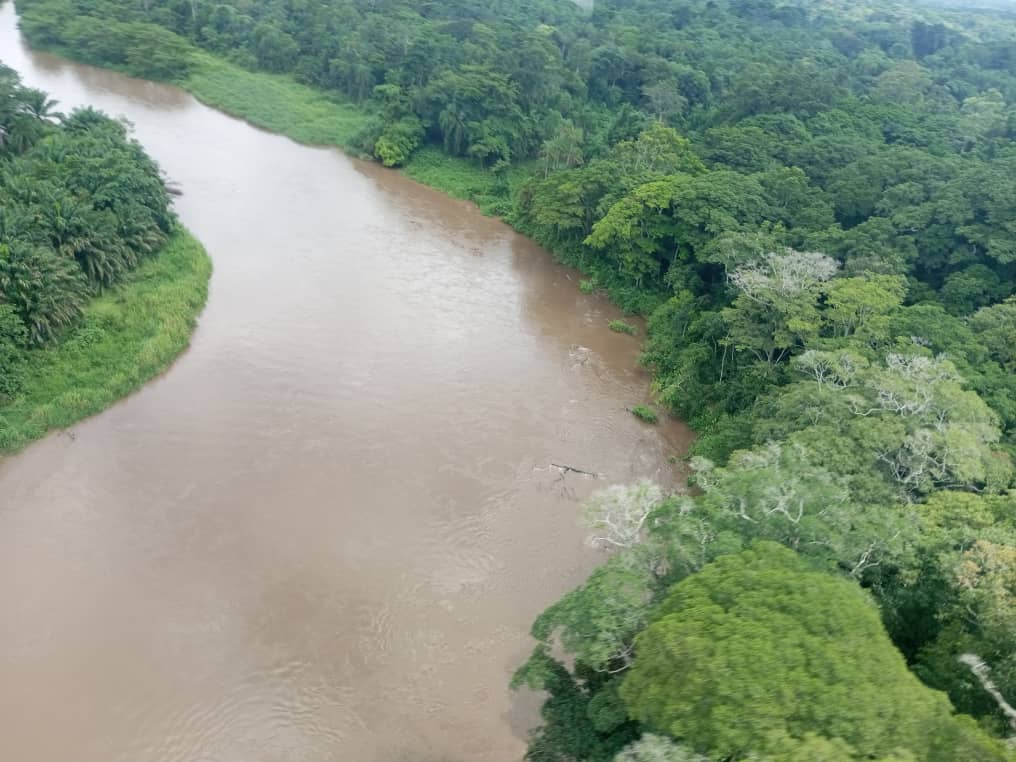
North Kivu: Kasindi Semuliki River Water Ban Due To Anthrax Threat
Summary
- North Kivu administrative and health authorities issued a temporary ban on Semuliki River water use on Tuesday, October 6, 2026.
- The interdiction applies to the border commune of Kasindi-Lubirigha, located approximately 90 kilometers from Beni.
- The ban was prompted by the discovery of several hippopotamus carcasses in the Semuliki River bed, raising concerns about anthrax contamination.
- All individuals and businesses in Kasindi-Lubirigha must comply with the water use prohibition to prevent public health risks and avoid legal penalties.
- The incident highlights the necessity for robust contingency plans for water sourcing and close monitoring of public health directives by local entities.
Urgent Water Ban Issued in North Kivu
Businesses and individuals operating in Kasindi-Lubirigha must immediately comply with the temporary ban on Semuliki River water use to avoid legal penalties and public health risks.
Administrative and health authorities in North Kivu have declared a temporary interdiction on the use of water from the Semuliki River. This critical directive, issued on Tuesday, October 6, 2026, specifically targets the border commune of Kasindi-Lubirigha, a community situated approximately 90 kilometers from Beni. The immediate trigger for this significant public health measure was the alarming discovery of multiple hippopotamus carcasses found within the riverbed, raising serious concerns about potential contamination.
The Kasindi Semuliki River water ban anthrax threat is the primary concern driving this urgent action. The presence of deceased wildlife, particularly in a shared water source, often signals a severe environmental or health hazard. The authorities' swift response underscores the gravity of the situation, aiming to prevent the spread of disease to human populations and other animals that rely on the river.
This temporary prohibition mandates that all individuals and entities within the affected area cease drawing water from the Semuliki River for any purpose. The scope of the ban is comprehensive, encompassing all forms of water extraction and use until further notice. The focus remains on mitigating immediate risks associated with the detected animal fatalities and safeguarding public health in the Kasindi-Lubirigha region.
Regulatory Response and Public Health Directives
The North Kivu anthrax water prohibition was formally enacted by a joint effort of the region's administrative and health authorities. Their coordinated action highlights a proactive approach to managing potential public health crises stemming from environmental incidents. The interdiction is not merely a recommendation but a binding directive, emphasizing the seriousness with which officials are treating the potential for disease transmission.
This DRC Semuliki River water interdiction serves as a vital protective measure, particularly given the suspected presence of anthrax, a highly infectious and potentially fatal bacterial disease. Anthrax spores can persist in the environment for long periods and can contaminate water sources, posing a significant risk if ingested or if contaminated water comes into contact with open wounds. The temporary nature of the ban indicates that authorities are monitoring the situation closely and will reassess once the immediate threat is contained and the water quality can be assured.
Local communities and businesses in Kasindi-Lubirigha are now required to adhere strictly to this directive. The immediate cessation of Semuliki River water use is paramount to prevent exposure to contaminated water. This type of public health water ban is a critical tool for disease control, especially in areas where water sources are shared and direct contact is common.
Implications for Community and Commerce
The Kasindi-Lubirigha water use ban carries significant implications for both residents and commercial operations in the region. Businesses and individuals operating in Kasindi-Lubirigha must immediately comply with the temporary ban on Semuliki River water use to avoid legal penalties and public health risks. Non-compliance could lead to severe health consequences for individuals and potential legal repercussions for entities found to be in violation of the official directive.
This incident, triggered by Semuliki hippopotamus anthrax concerns, highlights the critical need for companies to have robust contingency plans for water sourcing. Reliance on a single water source without alternative provisions can leave operations vulnerable to such public health emergencies. Furthermore, all local enterprises and residents must diligently monitor local public health directives closely, as these can change rapidly in response to evolving environmental and health threats. The DRC public health water ban underscores the interconnectedness of environmental health, public safety, and economic stability in the region.
Practical Implications
Businesses and individuals operating in Kasindi-Lubirigha must immediately comply with the temporary ban on Semuliki River water use to avoid legal penalties and public health risks. This incident highlights the need for companies to have robust contingency plans for water sourcing and to monitor local public health directives closely.
Source
How does this affect you?
Get an AI analysis of this article grounded in your jurisdictions, practice areas, and any policy documents you've uploaded to Wansom.
Finish Reading the Full Story and the Expert Analysis.
Get the latest legal & regulatory intelligence in DR Congo
Wansom is AI and can make mistakes.