
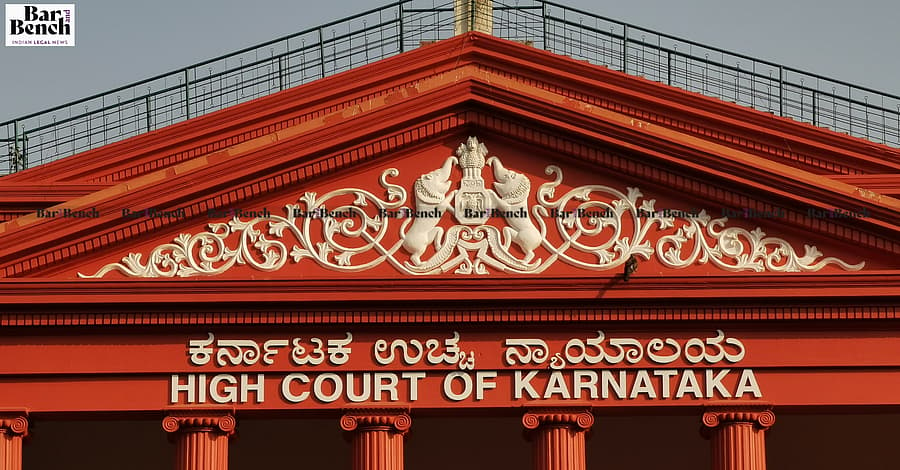
Karnataka High Court: Upholds Ethanol Production Ban, Denies Interim Relief
Summary
- The Karnataka High Court denied interim relief to an ethanol distillery and a sugarcane juice supplier on November 17.
- The petitioners, Askins Biofuels Pvt Ltd and Shri Bhramanandasagar Jaggery Industries, challenged a Central government order from October 22, 2026.
- The government's order banned the diversion of sugarcane juice or B-heavy molasses for ethanol production due to a sugar shortage.
- Justice CM Poonacha ruled that commercial interests cannot be prioritized over the government's efforts to tackle a national sugar crisis.
- The court's decision in Askins Biofuels Pvt Ltd & Anr v Union of India & Ors supports government intervention to manage essential commodity supplies.
Court Upholds Ethanol Production Curbs
The commercial activity of the petitioners cannot prevail over the impugned orders which have been issued due to the prevailing situation as noticed above.
The Karnataka High Court recently declined to grant interim relief to an ethanol distillery and a sugarcane juice supplier who had challenged a central government directive. This decision, issued on November 17 by Justice CM Poonacha, means that the petitioners, Askins Biofuels Pvt Ltd and Shri Bhramanandasagar Jaggery Industries, cannot continue their operations while their primary petition against the government's order is being adjudicated. The court's ruling underscores a judicial inclination to prioritize national supply stability over individual commercial interests in times of scarcity.
The challenged directive, issued by the Central government on October 22, 2026, specifically prohibits the redirection of sugarcane juice or B-heavy molasses for the purpose of ethanol production. Askins Biofuels Pvt Ltd, identified as a standalone ethanol distillery, and Shri Bhramanandasagar Jaggery Industries, a jaggery manufacturer that had intended to supply sugarcane juice and sugarcane syrup to Askins, were the entities seeking to overturn this ban. Their plea for interim permission to continue operations was directly rejected, setting a precedent for similar challenges to government interventions aimed at managing essential commodity supplies.
Regulatory Background and Government's Rationale
The central government's order, which sparked the legal challenge from Askins Biofuels Pvt Ltd and Shri Bhramanandasagar Jaggery Industries, was enacted in response to a perceived national sugar shortage. Officials argued before the Karnataka High Court that the directive dated October 22, 2026, was a necessary measure to address the prevailing scarcity, taking into account the projected cane production for the 2026-2027 season. This regulatory action reflects a broader India sugar crisis ethanol policy, where the government aims to balance the demands of the ethanol blending program with the critical need to ensure adequate sugar availability for domestic consumption.
The specific prohibition on diverting sugarcane juice or B-heavy molasses for ethanol production directly impacts companies like Askins Biofuels Pvt Ltd, which relies on these sugar-based feedstocks. The government's stance emphasizes that such curbs are not arbitrary but are instead strategic interventions designed to safeguard national food security and manage essential commodity supplies. This context highlights the tension between industrial ethanol production goals and the fundamental requirement to maintain stable sugar supplies across the country.
Prioritizing National Interest Over Commerce
In his November 17 decision, Justice CM Poonacha articulated a clear judicial philosophy, stating that the commercial interests of the petitioners could not take precedence over the government's efforts to mitigate a national sugar shortage. The court explicitly referenced the government's contention that the orders of October 22, 2026, were a direct response to the current sugar supply situation and future cane production estimates for 2026-2027. This reasoning formed the bedrock of the denial of interim relief in the case of Askins Biofuels Pvt Ltd & Anr v Union of India & Ors.
The court's definitive statement, "The commercial activity of the petitioners cannot prevail over the impugned orders which have been issued due to the prevailing situation as noticed above," encapsulates the core principle guiding the ruling. This judgment signals that when faced with a conflict between commercial enterprise and the government's perceived duty to address a critical national supply issue, particularly concerning essential commodities, judicial bodies are likely to support the government's regulatory measures. The ruling thus reinforces the state's prerogative to intervene in markets to ensure public welfare, even if it means impacting specific industries or businesses.
Practical Implications
This ruling signals that Indian courts are likely to prioritize national supply concerns over commercial interests when evaluating government orders restricting production of essential commodities like sugar-based ethanol. Lawyers advising clients in the ethanol or sugar industry should note the high bar for challenging such government interventions and the difficulty in obtaining interim relief, emphasizing the need for compliance with such directives.
Source
How does this affect you?
Get an AI analysis of this article grounded in your jurisdictions, practice areas, and any policy documents you've uploaded to Wansom.
Finish Reading the Full Story and the Expert Analysis.
Get the latest legal & regulatory intelligence in India
Wansom is AI and can make mistakes.