
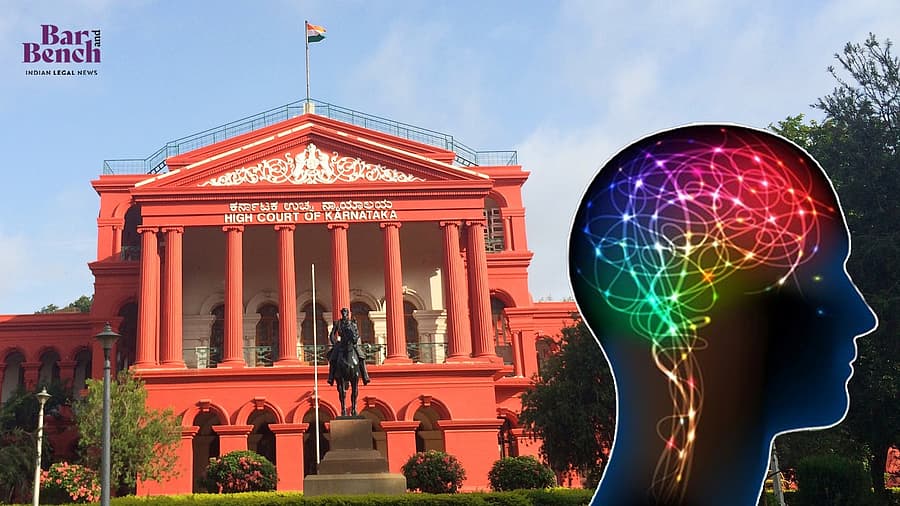
Karnataka High Court: Police Mental Health Checks for Firearms Mandated
Summary
- The Karnataka High Court has mandated mental health assessments for police and armed security forces personnel.
- These assessments are particularly crucial before firearms are issued and must be conducted periodically thereafter.
- Justice Suraj Govindaraj emphasized that security organizations have a duty to ensure the physical and mental well-being of their personnel.
- The court stressed the importance of creating an environment where personnel can seek mental health assistance without stigma.
- The ruling connects personnel mental health directly to operational readiness and public safety, especially for those carrying firearms.
A Landmark Ruling on Personnel Well-being
Lawyers advising security organizations or government bodies employing police and armed forces personnel in Karnataka must ensure compliance with this ruling by implementing robust, periodic mental health assessment systems, particularly before firearms issuance.
The Karnataka High Court has issued a significant directive, emphasizing the critical need for security organizations to prioritize the mental health and overall well-being of their personnel. This ruling, stemming from the case of Jyoti Bai v State of Karnataka, specifically mandates the implementation of robust systems for police mental health assessment India, particularly before firearms are issued to officers and other armed security forces. Justice Suraj Govindaraj, presiding over the matter, underscored that the duty of a security organization extends beyond mere task assignment, encompassing a proactive responsibility for the physical and psychological welfare of its employees.
The court's order, dated November 12, highlights that personnel must operate within an environment that encourages seeking assistance without the fear of stigma or negative repercussions. This includes ensuring that needs such as counseling, therapeutic treatment, family support, adequate rest, or temporary reassignment from specific duties are not only recognized but also appropriately addressed. This comprehensive approach aims to foster a supportive atmosphere crucial for the security forces mental well-being.
Safeguarding Operational Readiness and Public Safety
A core tenet of the Karnataka High Court's decision is the direct correlation between the mental health of security personnel and their operational readiness, as well as the broader implications for public safety. Justice Suraj Govindaraj's ruling explicitly connects these factors, particularly in scenarios where personnel are entrusted with firearms. The court articulated that the mental state of an individual carrying a weapon has profound consequences for both their effectiveness in duty and the safety of the community they serve.
Consequently, the court has called for mandatory mental health checks to be conducted prior to the issuance of firearms to any security personnel. Beyond this initial screening, the ruling further stipulates the necessity for periodic mental assessments to be carried out on an ongoing basis. This continuous monitoring is deemed essential to maintain the high standards required for those in positions of authority, especially when armed. This aspect of the ruling directly addresses the need for a comprehensive firearms mental health check Karnataka.
Establishing Robust Assessment Systems
To ensure compliance with this imperative, the Karnataka High Court has directed authorities to establish appropriate systems for evaluating the mental health and overall fitness of their personnel. These systems must be in place both before any firearms are entrusted to an individual and subsequently, through regular, periodic assessments. The November 12 order further specifies that these systems must include provisions for reassessment whenever particular circumstances warrant such a review, indicating a flexible yet vigilant approach to mental health oversight.
Furthermore, the court's directive extends to regulating access to firearms when genuine safety concerns arise regarding an individual's mental state. This aspect of the Justice Suraj Govindaraj ruling reinforces the proactive stance required from security organizations to prevent potential harm. Lawyers advising security organizations or government bodies employing police and armed forces personnel in Karnataka must ensure compliance with this ruling by implementing robust, periodic mental health assessment systems, particularly before firearms issuance. This judgment establishes a clear duty of care, requiring policies that address personnel well-being, destigmatize seeking help, and provide support, thereby mitigating potential liability for mental health-related incidents.
Practical Implications
Lawyers advising security organizations or government bodies employing police and armed forces personnel in Karnataka must ensure compliance with this ruling by implementing robust, periodic mental health assessment systems, particularly before firearms issuance. This judgment establishes a clear duty of care, requiring policies that address personnel well-being, destigmatize seeking help, and provide support, thereby mitigating potential liability for mental health-related incidents.
Source
How does this affect you?
Get an AI analysis of this article grounded in your jurisdictions, practice areas, and any policy documents you've uploaded to Wansom.
Finish Reading the Full Story and the Expert Analysis.
Get the latest legal & regulatory intelligence in India
Wansom is AI and can make mistakes.