
Karnataka High Court: Amendments Threaten Women's Access to Supreme Court
Summary
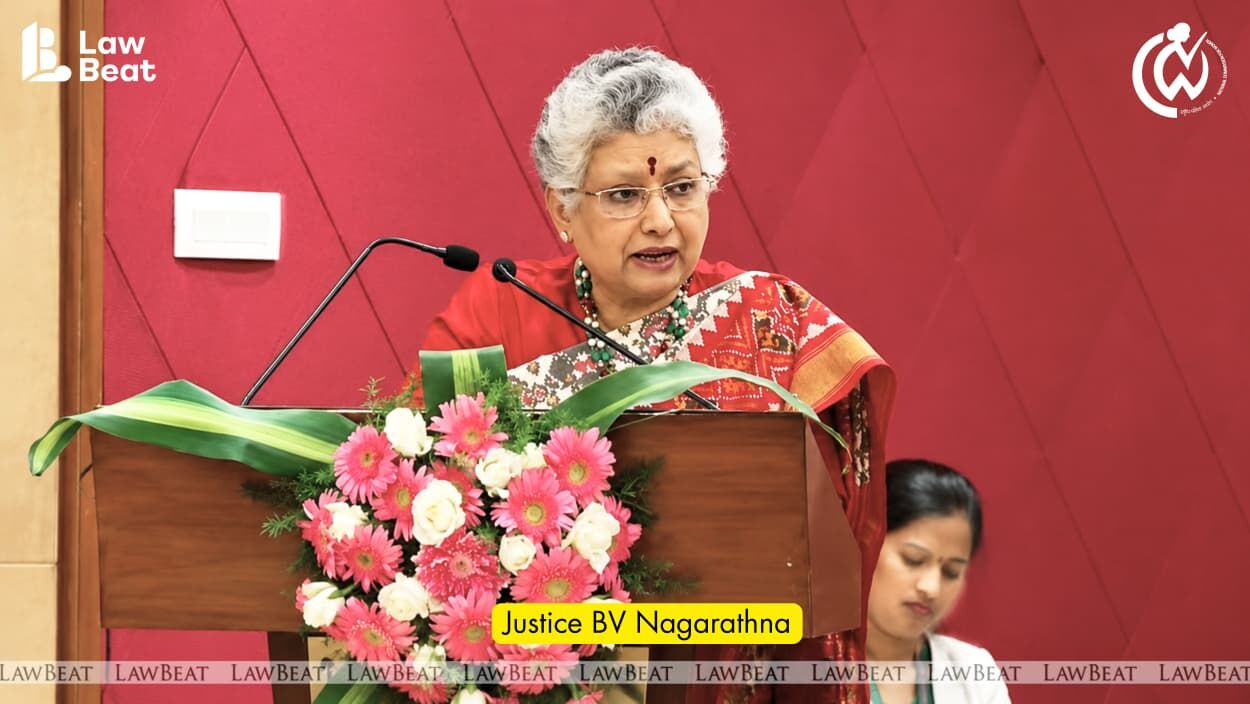
- Justice BV Nagarathna has questioned amendments that have removed certain first appeals from the Karnataka High Court.
- The changes could lead to serious access-to-justice consequences for women in property disputes.
- Women may struggle to challenge findings of fact related to their property rights, potentially forcing them to approach the Supreme Court under Article 136.
- Justice Nagarathna has called upon the State Government and Advocate General to rectify this position and repeal the provision.
What Happened
How many women in Karnataka can approach the Supreme Court?
Justice BV Nagarathna has raised concerns about amendments made to the Karnataka Civil Courts Act and Karnataka High Court Act. These changes have removed certain first appeals from the Karnataka High Court, potentially forcing litigants to approach the Supreme Court under Article 136 of the Constitution. The impact is particularly concerning for women in Karnataka who may be involved in property disputes. According to Justice Nagarathna, these amendments could lead to serious access-to-justice consequences, as women may struggle to challenge findings of fact related to their property rights. For instance, if a woman seeks to dispute whether her property is joint family or separate property, she may have to appeal to the District Court first and then potentially approach the Supreme Court under Article 136. This raises questions about how many women in Karnataka can realistically access the Supreme Court for redressal.
Legal Context
The amendments to the Karnataka Civil Courts Act and Karnataka High Court Act have significant implications for the appellate jurisdiction of the Karnataka High Court. Under these changes, certain first appeals are now being heard by the District Court instead of the High Court. This shift in jurisdiction could lead to a backlog in cases and potentially deny women in Karnataka access to justice. The issue is not just about women's rights, but also about ensuring that all litigants have equal access to the courts. Justice Nagarathna has called upon the State Government to rectify this position and repeal the provision. She has also emphasized the need for the Advocate General to take a proactive role in addressing these concerns.
Why It Matters
The issue of access to justice is critical, particularly for women in India who often face significant barriers in seeking redressal. Justice Nagarathna has highlighted the need for substantive equality and not just formal equality. She has also emphasized the importance of addressing the specific needs of women and children through special provisions under Article 15(3) of the Constitution. The lack of awareness among women and inadequate sensitization among authorities are further barriers to accessing justice. Justice Nagarathna has called upon the legal aid system to move beyond just measuring success in terms of the number of beneficiaries and instead focus on providing immediate support to women after an incident, including at police stations and hospitals.
Practical Implications
Lawyers advising clients on property disputes in Karnataka should be aware that certain first appeals have been removed from the High Court, potentially forcing litigants to approach the Supreme Court under Article 136, and consider the implications for their clients' access to justice.
Source
Source: Original reporting via The Hindu
How does this affect you?
Get an AI analysis of this article grounded in your jurisdictions, practice areas, and any policy documents you've uploaded to Wansom.
Wansom is AI and can make mistakes.