
Kaolack Veterinary Controls Illegal Meat: Seizes Unstamped Products
Summary
- Kaolack authorities are increasing veterinary controls to seize meat lacking proper origin and official stamps, particularly targeting street vendors.
- Dr. Khady Ndiaye, Regional Director of Livestock, confirmed that meat without these two guarantees will be confiscated and destroyed.
- A vendor reported selling 24-30 kg of goat meat daily, claiming compliance with health certificates and mayoral authorization.
- An FAO consultant, Dr. Mamadou Ndiaye, led a hygiene caravan in Dakar, Thiès, and Kaolack from August 11-14, 2026, noting progress but urging continued vigilance.
- Expert recommendations include strict hygiene for handlers and utensils, better inter-agency coordination, and scientific data collection on contamination.
Heightened Scrutiny on Kaolack's Meat Supply
Dr. Khady Ndiaye, the Regional Director of Livestock, has issued a clear warning: meat lacking the necessary origin documentation and official stamp will be subject to seizure.
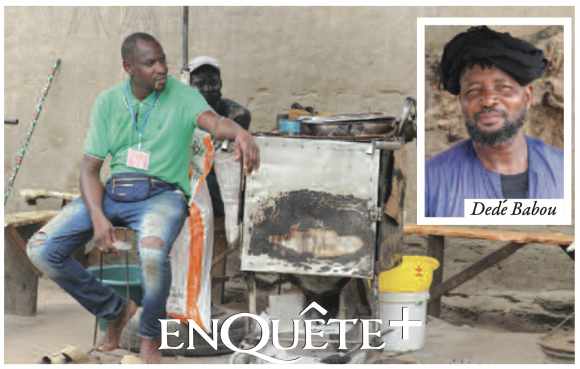
Authorities in Kaolack are intensifying efforts to combat the sale of meat sourced from unauthorized slaughterhouses, a practice commonly referred to as `abattages clandestins Kaolack`. These `Kaolack veterinary controls illegal meat` are particularly visible around the Baba Gaye station in Léona, where an activity known as "forakh caayaa" involves approximately ten vendors primarily selling goat meat to travelers and other transient customers. This heightened scrutiny underscores the critical importance of `meat origin certification Senegal` and proper veterinary oversight across the region's supply chain.
Dr. Khady Ndiaye, the Regional Director of Livestock, has issued a clear warning: meat lacking the necessary origin documentation and official stamp will be subject to seizure. This directive emphasizes the strict adherence required for `Senegal meat hygiene regulations`. One vendor, Dede Babou, reports selling between 24 and 30 kilograms of meat daily, generating an estimated daily turnover of 35,000 to 40,000 F CFA. He asserts that his supply comes from the Nguinguinéo "daral," where carcasses are reportedly examined by a veterinarian following slaughter. Babou also claims possession of a "carte sanitaire" and a permit issued by the local municipality, alongside practices like frequent cart cleaning and refrigerating unsold items to prevent spoilage.
Despite individual vendor claims of diligence, public services are actively verifying the overall compliance of meat products sold in the area. This local vigilance forms part of a broader initiative targeting street vending points throughout Senegal. The ongoing efforts aim to ensure that all meat entering the market, regardless of the point of sale, meets established `food safety Senegal compliance` standards, thereby protecting public health and upholding regulatory integrity.
Regulatory Framework and Enforcement Actions
The Directorate of Livestock and Animal Productions maintains a vigilant presence at various sales points, specifically looking for commercial slaughter operations conducted outside approved facilities. Their agents follow a precise protocol: first, they request the vendor's health certificate, then proceed to inspect the stamp affixed to the animal, and finally, verify proof of its origin. This multi-step inspection is crucial for upholding `Senegal meat hygiene regulations` and preventing the distribution of uncertified products.
Should meat fail to present these two fundamental guarantees—the official stamp and verifiable proof of origin—it becomes immediately eligible for seizure. Products removed from sale under these circumstances are subsequently destroyed at designated abattoirs. This measure is particularly enforced when the meat is determined to have originated from an `abattages clandestins Kaolack` operation, highlighting the severe consequences for non-compliance. The potential for `unauthorized slaughterhouse penalties` extends beyond product loss, signaling a firm stance against practices that circumvent established public health safeguards.
The `Dr Khady Ndiaye meat seizure` policy is a direct response to the risks posed by unregulated meat. Businesses operating within the meat supply chain, from producers to street vendors, are therefore compelled to ensure rigorous adherence to all veterinary certification and origin stamping requirements. Failure to do so not only results in financial losses from seized and destroyed goods but also exposes operators to further administrative or legal repercussions, reinforcing the need for robust compliance frameworks.
Broader Efforts for Food Safety and Compliance
Further underscoring the national commitment to `food safety Senegal compliance`, a hygiene caravan, led by Dr. Mamadou Ndiaye, an international food safety consultant with the FAO, conducted assessments in Dakar, Thiès, and Kaolack. This initiative, which took place from August 11 to 14, 2026, evaluated advancements in street vending practices. While the overall assessment, as reported by EnQuête+, indicated encouraging progress, the consultant stressed the necessity for sustained vigilance, particularly in Kaolack, where a specialized cart for roasters is still undergoing completion.
Dr. Ndiaye's expert recommendations extend beyond mere inspection, advocating for constant attention to fundamental hygiene practices. These include diligent hand washing, maintaining the cleanliness of utensils, ensuring the good health of food handlers, and safeguarding the quality of water and the overall sales environment. He highlighted a critical public health concern, noting that over 70% of food-related illnesses that concern specialists are bacterial in origin, making these preventative measures paramount for `Senegal meat hygiene regulations`.
To bolster these efforts, Dr. Ndiaye also called for enhanced coordination among various stakeholders, including veterinarians, agronomists, commerce services, and hygiene and environmental agencies. He further emphasized the importance of generating scientific data regarding contamination levels to inform future strategies. Dakar, Thiès, and Kaolack have been designated as the three pilot cities for these comprehensive food safety initiatives, reflecting a strategic focus on improving public health standards across key urban centers.
Practical Implications
Businesses involved in the meat supply chain in Senegal, especially in regions under increased scrutiny like Kaolack, must ensure strict compliance with veterinary certification, origin stamping, and authorized slaughterhouse regulations. Failure to do so risks immediate seizure and destruction of products, and potential legal or administrative penalties, necessitating robust compliance frameworks and due diligence on suppliers.
Source
Source: Original reporting via EnQuête+
How does this affect you?
Get an AI analysis of this article grounded in your jurisdictions, practice areas, and any policy documents you've uploaded to Wansom.
Finish Reading the Full Story and the Expert Analysis.
Wansom is AI and can make mistakes.