
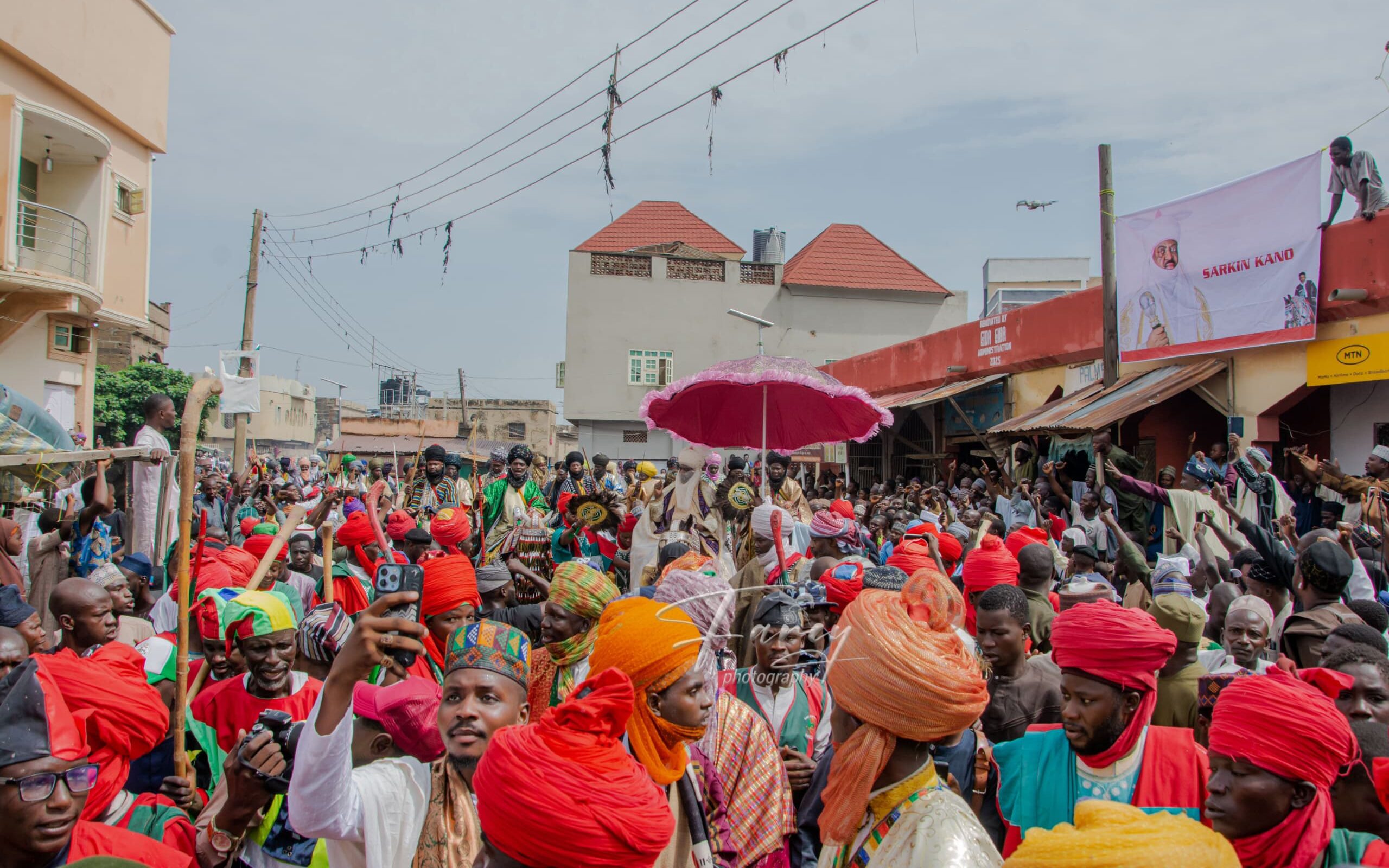
Kano Government: Restricts Durbar After Aminu Ado-Bayero Appearance
Summary
- The Kano State Government issued an order restricting durbar activities.
- This restriction followed an unexpected public appearance by Aminu Ado-Bayero.
- Aminu Ado-Bayero is identified as the 15th Emir of Kano.
What Happened
The Kano government's decision to restrict durbar activities following Aminu Ado-Bayero's public appearance carries significant implications for the conduct of public gatherings and traditional events within the state.
The Kano State Government has implemented a restriction on durbar activities, a significant cultural and traditional event. This directive, constituting a Kano durbar ban, was issued in the wake of an unexpected public appearance by Aminu Ado-Bayero.
Identified as the 15th Emir of Kano, Aminu Ado-Bayero's public presence immediately preceded the government's order. The government's decision to restrict durbar activities signals a direct response to the events surrounding Aminu Ado-Bayero's public appearance, highlighting a swift administrative reaction to unforeseen public engagements by prominent figures.
Context of the Restriction
Durbar, a traditional display of horsemanship and cultural pageantry, is a deeply ingrained aspect of Kano's heritage, typically drawing large crowds and serving as a focal point for community celebration and royal procession. The imposition of a Kano durbar ban therefore carries considerable cultural weight, affecting public life and traditional observances.
The individual at the center of this development, Aminu Ado-Bayero, is recognized as the 15th Emir of Kano, a title that holds significant historical and social authority within the state. His recent public appearance, described as unexpected, underscores the sensitive nature of public engagements by figures associated with traditional leadership. The timing of the Kano State Government durbar order, directly following Aminu Ado-Bayero's public appearance, suggests a perceived link between the two events, prompting the government's decision to curtail the public gathering.
Regulatory Framework and Public Order
Governmental actions to restrict public gatherings, such as the Kano government's recent durbar order, often fall under broader Nigeria public order regulations designed to maintain peace and security. Such directives empower authorities to manage or prohibit events deemed to pose a risk to public safety or order. While the specific legal basis for the Kano durbar ban was not detailed, the general framework for public order in Nigeria allows for state intervention in public assemblies.
The decision to restrict durbar activities following Aminu Ado-Bayero's public appearance illustrates the proactive measures governments can take to control public spaces and events. This type of administrative action highlights the discretionary powers vested in state authorities to regulate public life, particularly when sensitive political or social dynamics are at play. The unexpected nature of Aminu Ado-Bayero's public appearance may have been a factor in the government's assessment of potential public order implications, leading to the swift imposition of the durbar restriction.
Implications for Public Gatherings
The Kano government's decision to restrict durbar activities following Aminu Ado-Bayero's public appearance carries significant implications for the conduct of public gatherings and traditional events within the state. This action underscores the potential for administrative directives to swiftly alter plans for large-scale cultural celebrations, even those deeply embedded in local custom.
For organizers of public events in Kano, this development signals a heightened need for vigilance regarding government pronouncements and potential restrictions, especially when events might be perceived as having political or social sensitivities. The unexpected public appearance by Aminu Ado-Bayero, identified as the 15th Emir of Kano, and the subsequent Kano durbar ban, serve as a clear example of how unforeseen public engagements by prominent figures can trigger immediate governmental responses impacting public assembly. This incident highlights the dynamic interplay between traditional authority, public appearances, and state control over public order, setting a precedent for how similar situations might be managed in the future.
Practical Implications
This development signals heightened government control over public gatherings in Kano State, potentially impacting clients planning events or requiring permits for public assembly. Lawyers should advise clients on potential public order restrictions and monitor for further administrative directives related to the ongoing emirship dispute.
Source
How does this affect you?
Get an AI analysis of this article grounded in your jurisdictions, practice areas, and any policy documents you've uploaded to Wansom.
Finish Reading the Full Story and the Expert Analysis.
Get the latest legal & regulatory intelligence in Nigeria
Wansom is AI and can make mistakes.