
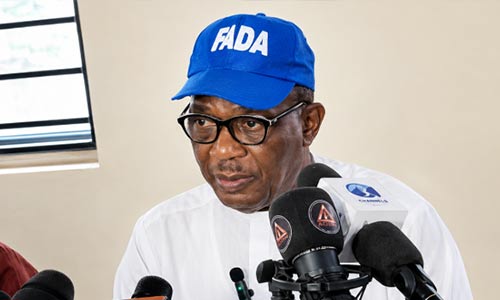
Kanmi Ajibola Senator Fadahunsi Lawsuit: Seeks 2027 Election Disqualification
Summary
- Osun lawmaker Hon. Kanmi Ajibola has filed a lawsuit against Senator Francis Fadahunsi and INEC.
- The suit seeks to disqualify Senator Fadahunsi from the January 16, 2027 election.
- Disqualification is sought due to alleged inflammatory statements, threats, and political violence, including "Kill Them" comments.
- The case is being heard at the Federal High Court in Osogbo.
- This legal action highlights the scrutiny of political rhetoric and electoral conduct in Nigeria.
What Happened
This legal challenge serves as a reminder to all political actors about the potential repercussions of their public statements, especially those that could be construed as threats or calls for violence.
An Osun State legislator, Hon. Kanmi Ajibola, has initiated legal proceedings against Senator Francis Fadahunsi, alongside the Independent National Electoral Commission (INEC), at the Federal High Court in Osogbo. The core of the Kanmi Ajibola Senator Fadahunsi lawsuit is an urgent request to prevent Senator Fadahunsi from participating in the upcoming election scheduled for January 16, 2027. This legal challenge underscores the growing scrutiny over political rhetoric in Nigeria.
The basis for this significant legal action stems from accusations that Senator Fadahunsi made inflammatory statements, issued threats, and engaged in acts of political violence. These allegations specifically refer to comments such as "Kill Them," which are cited as grounds for his potential disqualification. The Osun lawmaker disqualifies Fadahunsi effort seeks to hold political figures accountable for their public utterances, particularly when they are perceived to incite unrest or violence among the populace.
Legal Context and Implications
This case brings into sharp focus the legal framework governing electoral conduct and the powers of INEC election disqualification Nigeria. The Federal High Court is tasked with evaluating whether Senator Fadahunsi's alleged Francis Fadahunsi inflammatory statements constitute a breach of electoral law severe enough to warrant his exclusion from the January 16, 2027 election lawsuit. Such proceedings often hinge on interpreting the boundaries of free speech versus incitement, a critical distinction in a democratic process.
The involvement of INEC as a co-defendant highlights its crucial role in upholding the integrity of elections. The court's decision will not only impact Senator Fadahunsi's political future but could also influence how INEC addresses similar complaints regarding political violence electoral law violations in future elections. This legal challenge serves as a reminder to all political actors about the potential repercussions of their public statements, especially those that could be construed as threats or calls for violence.
Broader Significance
The Kanmi Ajibola Senator Fadahunsi lawsuit carries substantial weight for the broader political landscape in Nigeria, particularly concerning the standards of conduct expected from elected officials and aspirants. The outcome of this case could establish a significant precedent regarding the enforceability of electoral laws against inflammatory rhetoric and political violence. It reinforces the idea that public office holders are not immune to legal challenges based on their speech, especially when it is deemed to undermine peace and order.
This legal action underscores the ongoing efforts to curb political violence electoral law breaches and promote a more responsible political discourse ahead of crucial elections. The demand for INEC election disqualification Nigeria based on alleged "Kill Them" comments signals a low tolerance for rhetoric that could escalate tensions. It emphasizes the judiciary's role in safeguarding the electoral process from individuals whose actions or words might compromise its fairness and safety.
Practical Implications
This case highlights the legal risks associated with inflammatory public statements by political figures, particularly concerning electoral laws. Lawyers should advise political clients on the potential for disqualification proceedings before INEC and the Federal High Court based on such rhetoric, emphasizing the need for careful communication during election campaigns.
Source
How does this affect you?
Get an AI analysis of this article grounded in your jurisdictions, practice areas, and any policy documents you've uploaded to Wansom.
Finish Reading the Full Story and the Expert Analysis.
Get the latest legal & regulatory intelligence in Nigeria
Wansom is AI and can make mistakes.