
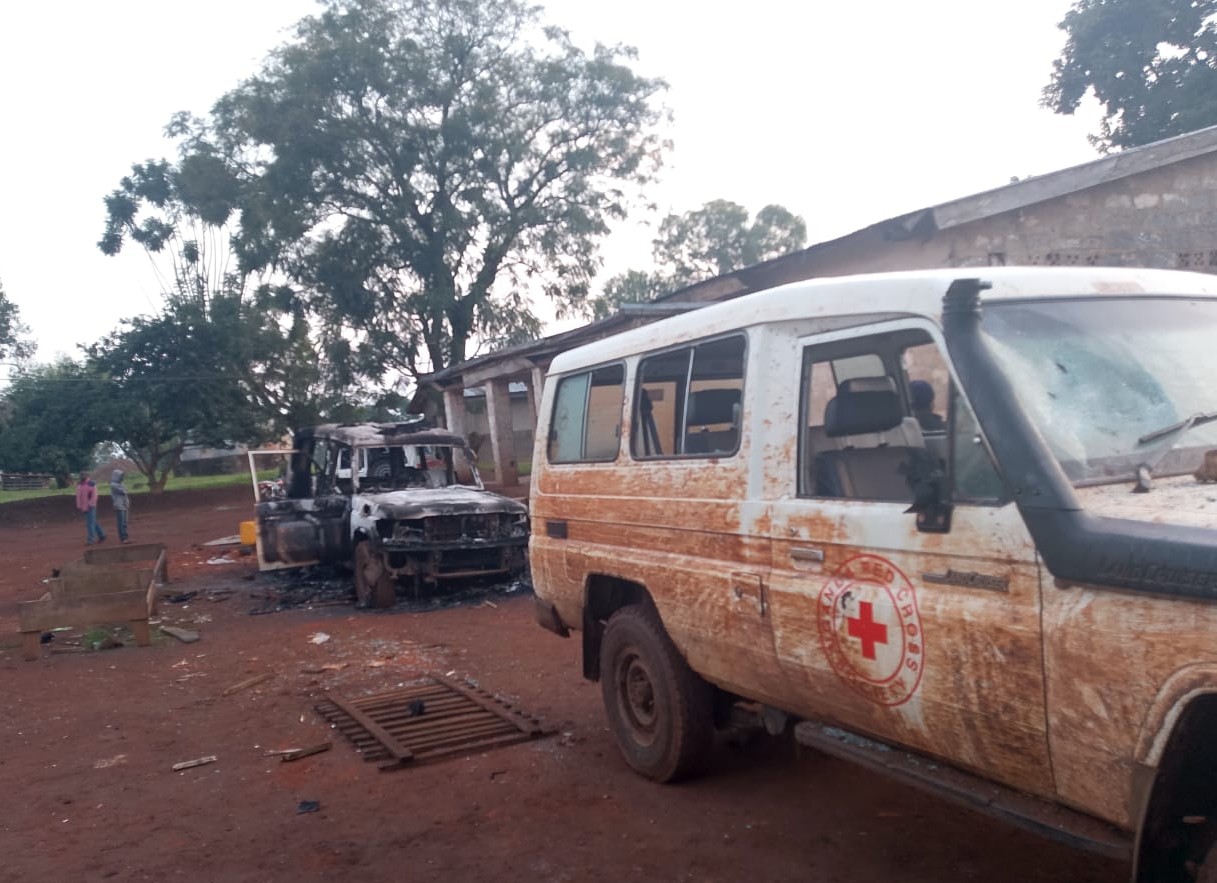
Kandoyi Health Center Aru: Ebola Vandalism Forces Patient Flight
Summary
- On August 17, 2026, the Kandoyi health center in Aru, Ituri, was vandalized, and staff were threatened amidst community tensions related to Ebola response.
- The incident caused nearly all patients, including recently operated individuals and pregnant women, to flee the facility, interrupting medical care.
- Only a few health workers have returned to provide minimal emergency services, leading to an uncertain health crisis for the departed patients.
- The facility's doctor-director resumed duties on August 22, 2026, under the direct protection of the Congolese National Police.
- The chief medical officer of the Aru health zone is calling for permanent security to restore public trust and enable patients to return.
Incident Details
The chief medical officer of the Aru health zone has issued an urgent appeal for the establishment of permanent security measures at the Kandoyi health center.
The Kandoyi health center, situated in the Aru territory of Ituri, Democratic Republic of Congo, experienced significant disruption and violence on Monday, August 17, 2026. The facility was subjected to acts of vandalism, accompanied by direct threats made against its healthcare personnel. This alarming incident led to the immediate flight of nearly all patients receiving care at the center.
The widespread desertion of the facility was triggered by a climate of intense community tension, which has been directly linked to ongoing activities aimed at combating the Ebola epidemic in the region. The chief medical officer for the Kandoyi health zone brought these critical events to public attention via Radio Okapi, highlighting the severe impact on local healthcare provision. The violence at Kandoyi health center, particularly the patient flight, underscores the volatile environment surrounding public health initiatives in conflict-affected areas.
Operational Fallout and Security Response
The immediate aftermath of the vandalism and threats saw dozens of patients abandon the Kandoyi health center, including highly vulnerable individuals such as those who had recently undergone surgery and pregnant women. This mass exodus resulted in a complete interruption of medical care, creating a health crisis with potentially serious repercussions for the fleeing patients, whose well-being became uncertain.
In response to the structural damage and security concerns, only a limited number of health workers have since returned to the site, providing minimal services exclusively for emergency cases. To prevent a total collapse of public health services in the area, the doctor-director of the facility resumed duties on Saturday, August 22, 2026. This return was made possible only under the direct protection of the Congolese National Police (PNC), illustrating the severe security challenges faced by essential service providers in the region and the critical role of Congolese National Police health protection.
Broader Implications
The chief medical officer of the Aru health zone has issued an urgent appeal for the establishment of permanent security measures at the Kandoyi health center. This plea is driven by the necessity to rebuild public trust and facilitate the safe return of patients to the facility. The incident highlights the severe security risks and the breakdown of public order impacting essential services like healthcare in volatile regions such as Aru, particularly during public health crises like the Ebola outbreak.
For organizations operating in the Democratic Republic of Congo, this event serves as a stark reminder of the challenges in maintaining DRC health facility security. It underscores the critical need for robust security protocols, comprehensive risk assessments for personnel and assets, and clear legal frameworks to safeguard humanitarian operations in conflict-affected zones. The Kandoyi patient flight violence exemplifies how community tensions, especially those related to Aru Ituri Ebola tensions, can directly undermine healthcare infrastructure and patient safety.
Practical Implications
Compliance officers and legal counsel for NGOs or international organizations operating in the Democratic Republic of Congo should note the severe security risks and breakdown of public order impacting essential services like healthcare in volatile regions such as Aru, particularly during public health crises. This incident highlights the need for robust security protocols, risk assessments for personnel and assets, and clear legal frameworks for protecting humanitarian operations in conflict-affected zones.
Source
How does this affect you?
Get an AI analysis of this article grounded in your jurisdictions, practice areas, and any policy documents you've uploaded to Wansom.
Wansom is AI and can make mistakes.