
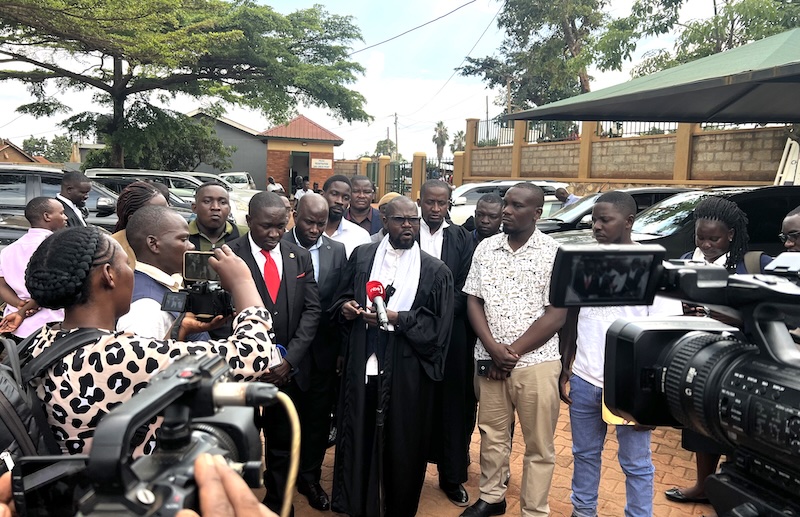
Kananura Withdraws Uganda Election Petition, Citing Lawyer Failures
Summary
- Daniel Kananura, an NRM candidate, has applied to withdraw his election petition against NUP MP George Musisi.
- The petition challenged the January 15 election results in Kira Municipality.
- Kananura explicitly blamed his legal team's shortcomings for undermining his case.
- The petition was originally filed on March 31, 2026, seeking to overturn the election outcome.
- This withdrawal highlights the critical importance of meticulous procedural adherence in electoral disputes.
Kananura Withdraws Uganda Election Petition
For legal professionals, this situation serves as a stark reminder of the potential for professional liability and significant reputational damage when procedural errors lead to the collapse of a client's case, especially in high-profile political contests.
Daniel Kananura, a former parliamentary candidate representing the National Resistance Movement (NRM), has sought to withdraw the election petition he lodged against George Musisi, the victorious National Unity Platform (NUP) Member of Parliament for Kira Municipality. This significant development in the ongoing electoral disputes in Uganda comes with Kananura publicly attributing the decision to critical failures on the part of his legal representatives, asserting that their shortcomings compromised the viability of his challenge. The petition, which aimed to contest the results of the January 15 election, was initially submitted on March 31, 2026. As of October 12, 2026, Kananura's application for withdrawal is pending a High Court ruling on the terms of its withdrawal, specifically regarding the payment of legal costs, with a decision expected on October 14, 2026. His explicit blame directed at his legal team underscores a contentious aspect of the case, suggesting that procedural missteps or inadequate preparation ultimately led to the abandonment of his challenge.
Procedural Challenges and Legal Accountability
Election petitions in Uganda, like in many jurisdictions, are governed by strict procedural rules and timelines designed to ensure the swift and fair resolution of electoral disputes. The integrity of these processes relies heavily on the meticulous adherence to legal requirements by all parties involved, particularly the legal counsel representing petitioners. Kananura's public statements regarding his lawyers' "shortcomings" highlight the critical importance of diligent case management and precise execution of legal strategy in such high-stakes matters.
For legal professionals, this situation serves as a stark reminder of the potential for professional liability and significant reputational damage when procedural errors lead to the collapse of a client's case, especially in high-profile political contests. The withdrawal of the Kira Municipality election petition, directly linked by the petitioner to his legal team's performance, underscores the imperative for lawyers to maintain the highest standards of accuracy and thoroughness in preparing and presenting electoral challenges. Any deviation from established procedural norms can have profound consequences, not only for the client's objectives but also for the standing of the legal practitioners involved.
Broader Implications for Electoral Justice
The withdrawal of Daniel Kananura's election petition against MP George Musisi carries broader implications for the landscape of electoral justice in Uganda. When a petitioner cites legal team failures as the primary reason for abandoning a challenge, it can erode public confidence in the efficacy of the legal system to resolve electoral grievances. This particular case, involving prominent figures from the NRM and NUP, further amplifies the scrutiny on how election disputes are handled and the role of legal counsel in ensuring fair play.
Such instances underscore why meticulous adherence to procedural rules is not merely a technicality but a fundamental pillar of electoral integrity. The outcome in Kira Municipality, where the challenge was withdrawn due to alleged legal missteps rather than a substantive ruling on the election's merits, leaves questions unanswered for some stakeholders. This event reinforces the critical need for legal teams handling election petitions to possess not only legal acumen but also exceptional organizational skills and an unwavering commitment to procedural exactitude to safeguard both their clients' interests and the broader principles of justice.
Practical Implications
Lawyers should note the potential for professional liability or reputational damage when procedural errors lead to the withdrawal of high-profile election petitions, as highlighted by Kananura's public blaming of his legal team. This case underscores the critical importance of meticulous case management and adherence to procedural rules in electoral disputes.
Source
How does this affect you?
Get an AI analysis of this article grounded in your jurisdictions, practice areas, and any policy documents you've uploaded to Wansom.
Finish Reading the Full Story and the Expert Analysis.
Get the latest legal & regulatory intelligence in Uganda
Wansom is AI and can make mistakes.