
Kaffrine Conseil départemental: Agents Protest 8 Months Salaires Impayés
Summary
- Agents of the Kaffrine Conseil départemental held a sit-in on October 14, 2026, demanding eight months of unpaid salaries and protesting frozen wage increases.
- Ibou Cissé, a union leader, stated that salary increases have been frozen since September and called on national authorities to intervene.
- Daouda Willane, the Vice-President, cited insufficient state transfers and the burden of 72 inherited staff members as reasons for the financial difficulties.
- The department's general allocations increased by only 4 million FCFA to 233 million FCFA in 2026, while annual salary revalorizations would cost 54 million FCFA.
- This situation highlights potential legal claims for unpaid wages against local government bodies and could set a precedent for other collectivités territoriales in Senegal.
Mounting Pressure Over Unpaid Wages
This situation could potentially set a precedent for similar legal claims for unpaid wages against other local government bodies, highlighting the critical need for strict compliance with labor law obligations, even in the face of budgetary pressures.
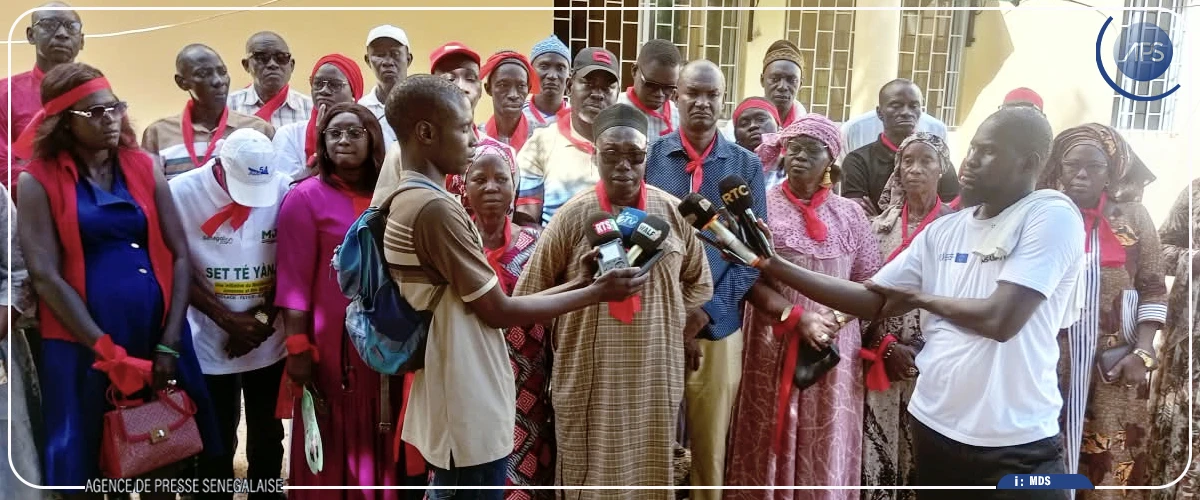
Agents of the Kaffrine Conseil départemental staged a sit-in on Wednesday, October 14, 2026, to protest eight months of unpaid salaries and the freezing of their wage increases. The demonstration, held within the local government's premises in central Senegal, saw employees wearing red armbands as a symbol of their grievances. This action highlights a significant challenge facing the Kaffrine Conseil départemental regarding its financial obligations to its workforce.
Ibou Cissé, who serves as the Secretary General for the Syndicat des travailleurs des collectivités territoriales in Kaffrine, confirmed that the halt in salary revalorizations had been in effect since September. During a press conference organized by the protesting agents, Cissé articulated their demands, emphasizing the urgency of the situation. The union's appeal extends beyond local authorities, with requests for intervention also directed to the President of the Republic and the Minister responsible for local government affairs, urging them to resolve the protracted issue of these Sénégal arriérés salaires fonctionnaires.
Budgetary Constraints and Staffing Burden
Daouda Willane, the Vice-President of the Kaffrine Conseil départemental, offered an explanation for the financial difficulties, attributing them to insufficient funds transferred from the state. Willane detailed that the department is now responsible for 72 of the 90 agents previously managed by the former Conseil régional, a staffing level he considers a substantial financial burden for the current budget.
Despite the growing personnel costs, general allocations to the department saw only a modest increase of 4 million FCFA, reaching 233 million FCFA in 2026, up from 229 million FCFA the preceding year. This increment stands in stark contrast to the estimated annual cost of salary revalorizations, which, according to Willane's assessment, amounts to 54 million FCFA. This significant disparity underscores the deficit budgétaire Kaffrine faces in meeting its financial commitments, particularly concerning the financing of collectivités locales Sénégal.
Legal Precedent and Compliance Concerns
The ongoing dispute over Kaffrine Conseil départemental salaires impayés carries significant implications for public sector entities across Senegal. This situation could potentially set a precedent for similar legal claims for unpaid wages against other local government bodies, highlighting the critical need for strict compliance with labor law obligations, even in the face of budgetary pressures.
Lawyers advising public sector entities or employee unions in Senegal should closely monitor this development, as it underscores the potential for legal action when local government bodies fail to meet their payroll responsibilities. The persistent issue of Sénégal arriérés salaires fonctionnaires, exemplified by the Kaffrine case, emphasizes the importance of robust financial planning and transparent management within collectivités territoriales to prevent such disputes and ensure employee welfare.
Practical Implications
Lawyers advising public sector entities or employee unions in Senegal should monitor this situation as it highlights potential legal claims for unpaid wages against local government bodies and underscores the need for compliance with labor law obligations despite budgetary constraints. This could set a precedent for similar disputes in other collectivités territoriales.
Source
How does this affect you?
Get an AI analysis of this article grounded in your jurisdictions, practice areas, and any policy documents you've uploaded to Wansom.
Finish Reading the Full Story and the Expert Analysis.
Get the latest legal & regulatory intelligence in Senegal
Wansom is AI and can make mistakes.