
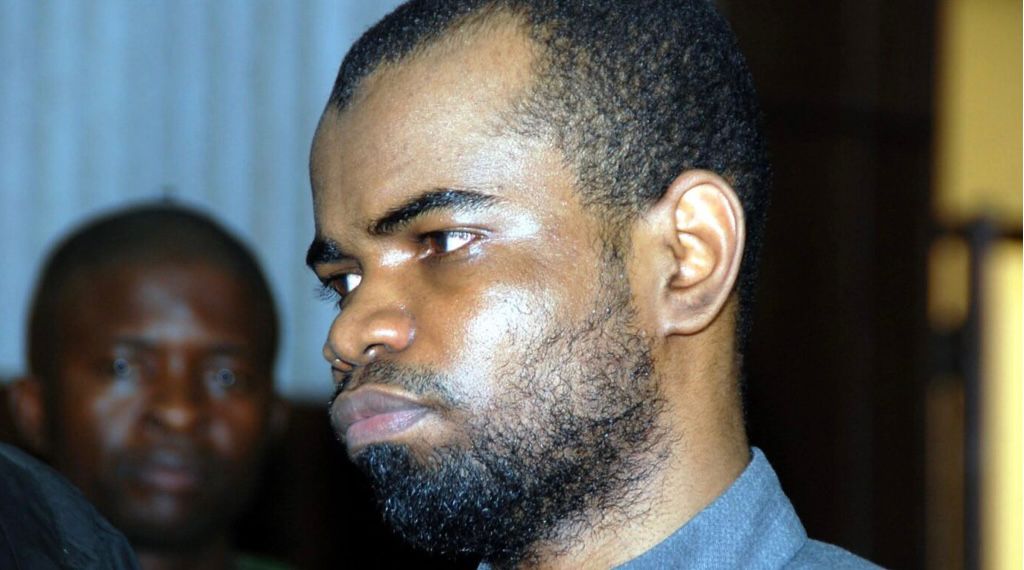
Appeal Court: Grants Kabiru Sokoto Appeal Time Extension
Summary
- The Appeal Court has granted Kabiru Sokoto an extension of time to challenge his 2013 terrorism conviction.
- Kabiru Sokoto was originally sentenced to life imprisonment by the Federal High Court for terrorism offenses.
- The conviction is linked to the Catholic Church Bombing incident.
- This extension allows Mr. Sokoto more opportunity to pursue his appeal against the judgment.
What Happened
This development signals the ongoing judicial scrutiny of high-profile terrorism convictions in Nigeria, highlighting the procedural avenues available for challenging judgments and the court's discretion in granting extensions for appeals.
A significant procedural development has emerged in the long-running legal saga surrounding Mr. Umar, widely known as Kabiru Sokoto. The Appeal Court has formally granted an extension, providing Mr. Sokoto additional time to challenge his 2013 terrorism conviction. This decision by the appellate body allows him a renewed opportunity to pursue his legal recourse against the earlier judgment, which had sentenced him to life imprisonment.
This extension specifically relates to the verdict handed down by the Federal High Court, which found Kabiru Sokoto guilty of terrorism charges. The original judgment, which imposed a life sentence, stems from events connected to the Catholic Church Bombing, a high-profile case that drew considerable national attention. The court's recent ruling ensures that the avenues for a Kabiru Sokoto terrorism conviction appeal remain open, despite the passage of time since the initial sentencing.
The granting of this Nigeria appeal court time extension means that the legal process for Mr. Sokoto's challenge to the 2013 conviction can now proceed. It underscores the judiciary's role in ensuring that individuals have adequate opportunity to contest judgments, even in cases involving severe penalties and significant public interest. This development is a crucial step in the ongoing judicial review of his case.
Legal Context
The decision to grant a Kabiru Sokoto appeal time extension highlights a key aspect of the Nigerian criminal appeal procedure. Appellate courts possess the discretion to extend the period within which a convicted individual may file an appeal, especially when compelling reasons are presented. This procedural flexibility is vital for upholding the principles of justice and ensuring that no party is unduly prejudiced by strict adherence to timelines, particularly in complex or high-stakes cases.
In Nigeria, the Appeal Court serves as a crucial intermediary between the Federal High Court and the Supreme Court, reviewing judgments from the lower courts. For a Federal High Court terrorism sentence appeal, the appellate process is rigorous, requiring meticulous adherence to legal protocols. The court's willingness to grant leave to appeal Kabiru Sokoto, or in this instance, an extension of time for such an appeal, reflects its commitment to a thorough judicial review process, even for convictions as grave as those involving terrorism.
Such extensions are not automatic; they typically require a formal application demonstrating sufficient cause for the delay in filing the original appeal. The Appeal Court's decision in this instance signals a recognition of the complexities involved in challenging a 2013 Kabiru Sokoto conviction, particularly one that resulted in a life sentence for terrorism offenses. It reinforces the understanding that procedural fairness is paramount, even in the context of severe criminal judgments.
Why It Matters
This development signals the ongoing judicial scrutiny of high-profile terrorism convictions in Nigeria, highlighting the procedural avenues available for challenging judgments and the court's discretion in granting extensions for appeals. The Kabiru Sokoto appeal time extension is not merely a technicality; it represents a fundamental aspect of due process, ensuring that all legal avenues are exhausted before a judgment is considered final. This is particularly significant in cases involving terrorism, which carry profound societal and legal implications.
The Appeal Court's decision sets a precedent for procedural flexibility in the appellate process, demonstrating that the judiciary is prepared to exercise its discretion to ensure justice. For legal practitioners, especially those involved in criminal law and terrorism cases, this serves as an important reminder of the court's power to grant extensions, which can be critical for clients seeking to challenge convictions. It underscores the principle that even a life sentence for terrorism, as handed down by the Federal High Court, is subject to comprehensive review through the established Nigerian criminal appeal procedure.
Ultimately, the granting of additional time for Kabiru Sokoto to challenge his 2013 conviction reinforces public confidence in the judicial system's commitment to fairness and thoroughness. It ensures that every opportunity for legal recourse is provided, even in the most serious of cases, thereby upholding the integrity of the justice system in Nigeria.
Practical Implications
This development signals the ongoing judicial scrutiny of high-profile terrorism convictions in Nigeria, highlighting the procedural avenues available for challenging judgments and the court's discretion in granting extensions for appeals. Lawyers practicing criminal law, particularly in terrorism cases, should note this as a precedent for procedural flexibility in the appellate process.
Source
How does this affect you?
Get an AI analysis of this article grounded in your jurisdictions, practice areas, and any policy documents you've uploaded to Wansom.
Finish Reading the Full Story and the Expert Analysis.
Wansom is AI and can make mistakes.