
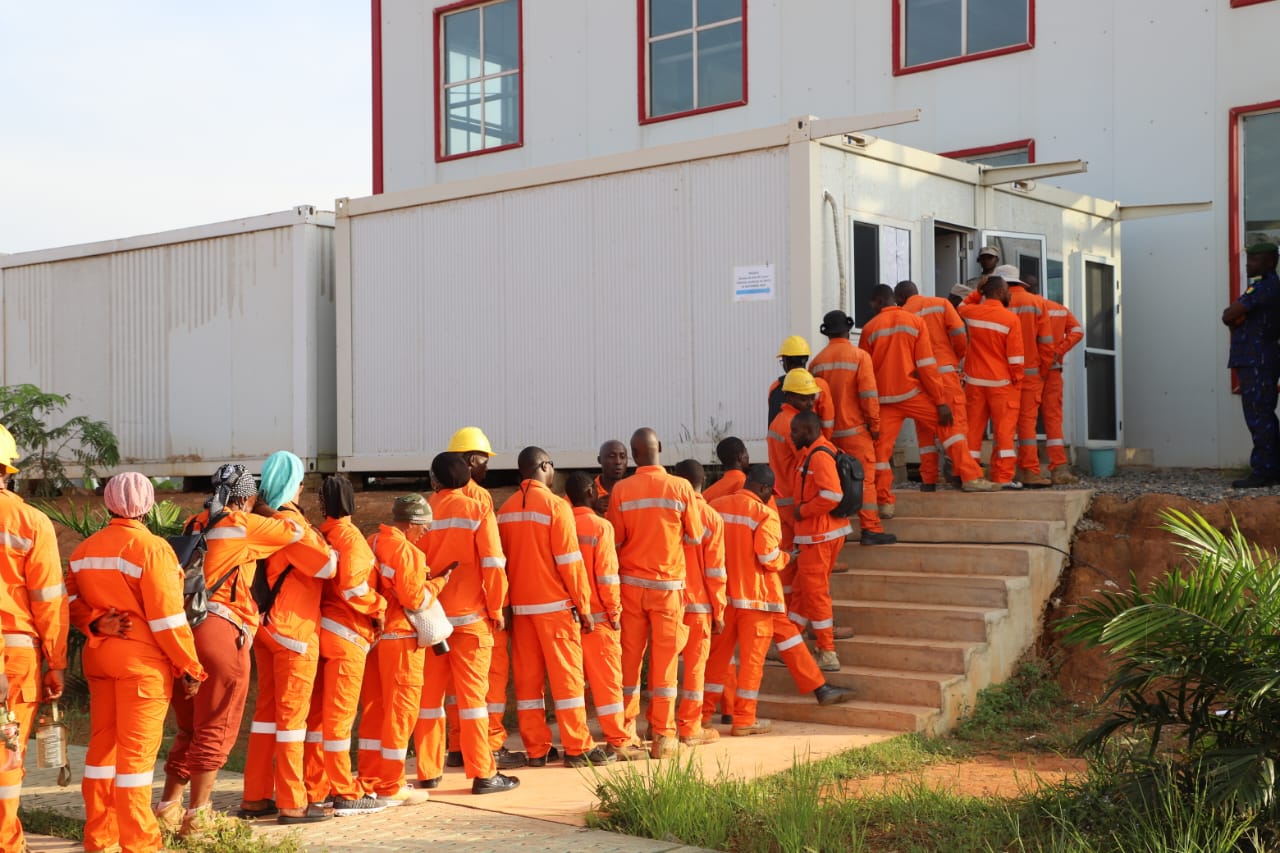
Kérouané: CNTG Wins BWCS Union Delegation Elections
On November 3, 2026, in Kérouané, Guinea, the Confédération Nationale des Travailleurs de Guinée (CNTG), led by Mamoudou Diaby, won the elections for the new two-year term of the trade union delegation at Baowu Winning Consortium Simandou (BWCS), defeating the outgoing USTG team.
This election signifies a crucial democratic exercise of workers' rights to organize and choose their representation within a major industrial entity in Guinea, directly impacting labor relations, collective bargaining, and worker welfare at BWCS. The outcome determines which union will represent the employees in negotiations with management, potentially influencing working conditions, wages, and dispute resolution mechanisms for the next two years. This shift in union leadership could lead to new priorities and approaches in advocating for employee interests.
Guinea's labor law, primarily the Labour Code (Code du Travail), guarantees the fundamental right to form and join trade unions, and outlines the specific procedures for electing worker representatives and establishing union delegations within companies. These provisions are consistent with international labor standards, such as those promoted by the International Labour Organization (ILO), to which Guinea is a member state. The election process itself would have been governed by internal union statutes and likely supervised by national labor authorities to ensure fairness and transparency, upholding the legal framework for industrial democracy.
The key parties involved in this significant labor development include the Confédération Nationale des Travailleurs de Guinée (CNTG) and its victorious leader Mamoudou Diaby, the outgoing USTG team, and the workers of Baowu Winning Consortium Simandou (BWCS) in Kérouané. BWCS, as the employer, is also a central party, as it will now engage with the newly elected CNTG delegation.
Attorneys advising companies operating in Guinea, particularly in the mining sector like BWCS, should closely monitor the implications of this union election. Understanding the new union leadership's priorities, negotiating style, and potential demands will be crucial for effective labor relations and collective bargaining. Businesses should review their internal labor policies to ensure full compliance with Guinean labor law and be prepared for potential shifts in union demands or approaches to worker representation. Legal professionals should also advise on the proper procedures for engaging with the newly elected delegation to maintain industrial harmony and avoid disputes, ensuring all interactions adhere to the Labour Code.
How does this affect you?
Get an AI analysis of this article grounded in your jurisdictions, practice areas, and any policy documents you've uploaded to Wansom.
Wansom is AI and can make mistakes.