
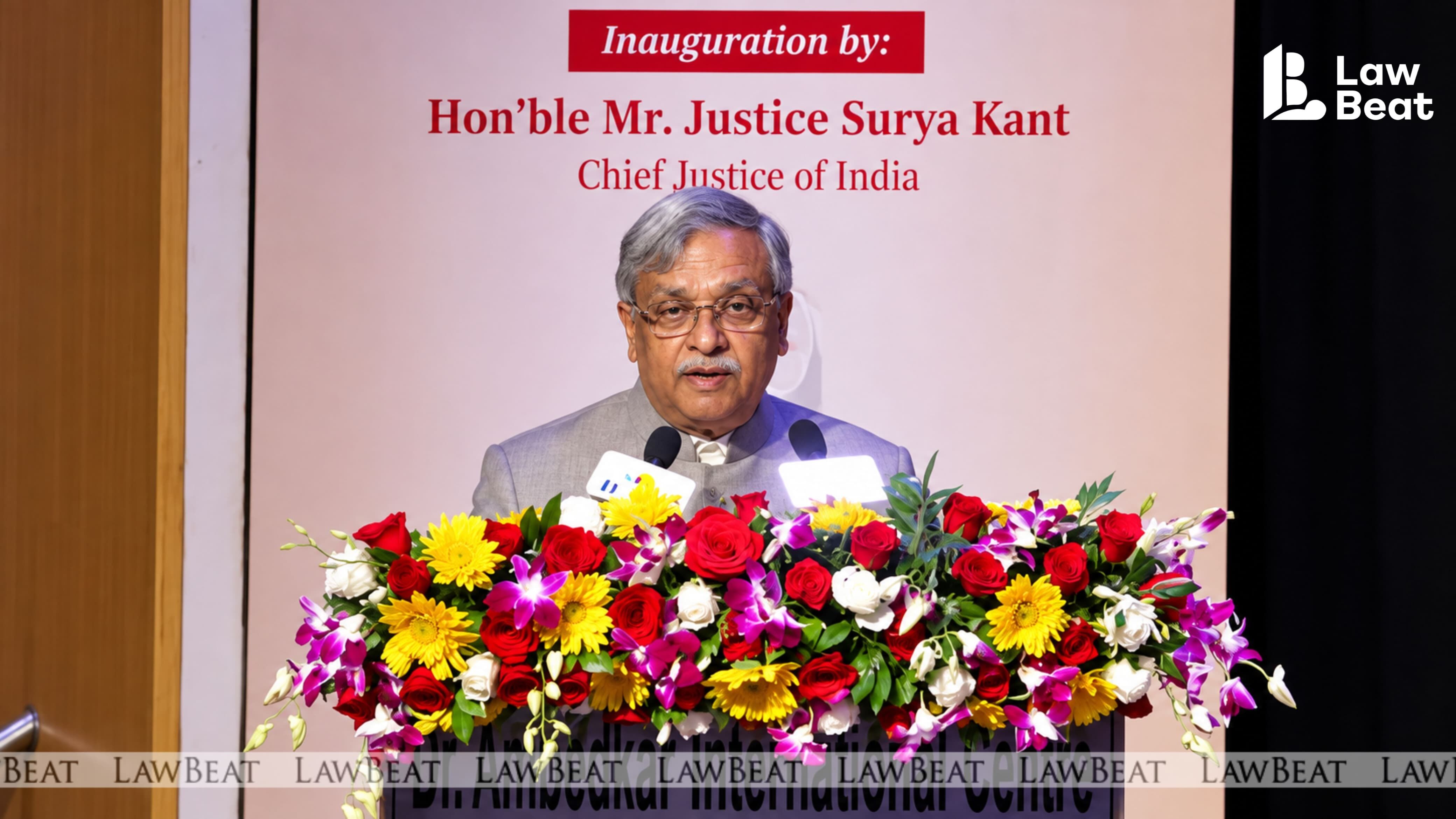
Justice Vikram Nath: Judges Must Be Impartial, Never Indifferent
Home / Top Stories “A Judge Must Be Impartial But Never Indifferent”: Justice Vikram Nath X Justice Vikram Nath says compassion must remain within the discipline of law while delivering justice Speaking at the 2nd Prof. (Dr.) N.R. Madhava Menon Memorial Lecture, Justice Vikram Nath said judges must remain impartial but never indifferent, and understand the human circumstances behind every legal controversy “Compassion belongs not at the margins of law but within the discipline of law,” Supreme Court Justice Vikram Nath said while speaking on the legacy of legal educationist Professor N.R. Madhav Menon . Justice Nath said compassionate adjudication did not mean favouring a party, showing leniency or allowing emotion to override evidence and law. Instead, it required judges to understand the human circumstances in which a legal controversy arose. “Compassion in adjudication means understanding before judging. The discipline of seeing the human circumstances in which a legal controversy arose, ” Justice Nath said. He drew a distinction between impartiality and indifference, stressing that judges must remain sensitive to the consequences of their decisions while continuing to apply the law. “Impartiality and indifference are not the same thing. The blindfold on Lady Justice does not mean she cannot see. It means she does not look at who stands before her before deciding what is right. She still weighs and weighs with care. A judge must be impartial but never indifferent,” he said. Justice Nath said courts routinely translate human experiences into legal categories, but warned against allowing those categories to obscure the individual behind the case. “The first duty of compassionate judging is never to let legal abstraction erase human reality,” he said. He illustrated this by referring to two undertrial prisoners who were granted bail on identical conditions, but where only one was able to secure release because the other could not furnish the required conditions. “On paper, the law treated them equally. In life, it did not,” Justice Nath said. He said this gap between formal equality and equality as experienced in real life was an area to which constitutional courts must remain attentive. Justice Nath also highlighted the importance of time in the administration of justice, observing that the passage of time has very different consequences for litigants than it does for courts. “Three months is an adjournment in a cause list. For an under trial, it is three months of liberty. For a child awaiting custody, it is a part of childhood. For a terminally ill litigant, it may be time that cannot be returned,” he said. The Supreme Court judge also emphasised the role of lawyers in ensuring that justice remains humane. He said lawyers were often the first human face of the justice system encountered by a litigant. “Advocacy is not merely the skill of speaking. It is the responsibility of representation,” Justice Nath said. Referring to Mahatma Gandhi's experience as a lawyer, he said lawyers should not automatically treat every disagreement as a dispute requiring litigation. “If she is concerned with justice, the first question changes from can I file a case to what does this person actually need? Sometimes the answer is litigation, sometimes mediation and sometimes simple advice,” he said. Justice Nath also underlined the importance of legal aid, saying that even a matter that may appear insignificant to an institution could have life-changing consequences for the person represented. “There is no such thing as a small legal aid brief,” he said. “For a person of means, choosing a lawyer is a professional decision. For a poor person, a competent legal aid or lawyer must decide whether a constitutional right exists in reality at all,” Justice Nath added. On legal education, Justice Nath recalled Professor Menon's contribution to the five-year integrated law programme and clinical legal education. “Legal education is not peripheral to just
How does this affect you?
Get an AI analysis of this article grounded in your jurisdictions, practice areas, and any policy documents you've uploaded to Wansom.
Finish Reading the Full Story and the Expert Analysis.
Get the latest legal & regulatory intelligence in India
Wansom is AI and can make mistakes.