
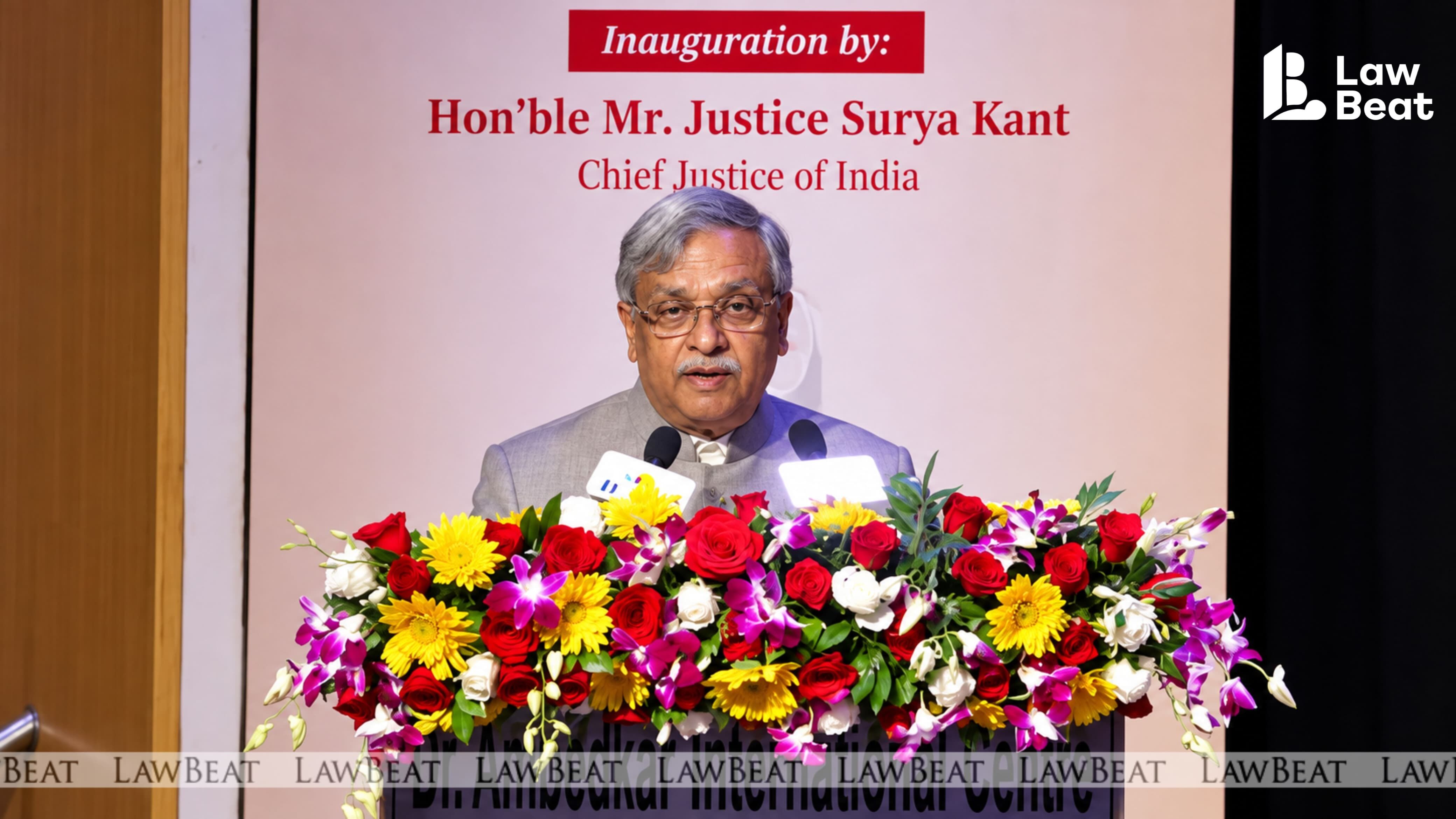
Justice Vikram Nath: Impartial But Never Indifferent Adjudication
Summary
- Justice Vikram Nath stated that judges must be impartial but never indifferent, advocating for compassionate adjudication that understands human circumstances.
- He clarified that compassionate adjudication means understanding the human context before judging, not favoring parties or letting emotion override law.
- Justice Nath highlighted the disparity between formal equality and real-life experience, citing the example of undertrial prisoners with identical bail conditions.
- He emphasized the critical role of lawyers as the first human face of justice, urging them to prioritize client needs over automatic litigation.
- The Supreme Court Justice underscored the profound importance of legal aid, noting that even a 'small' brief can be life-changing for a poor litigant.
The Essence of Judicial Impartiality
A judge must be impartial but never indifferent.
Speaking at the 2nd Prof. (Dr.) N.R. Madhava Menon Memorial Lecture, Supreme Court Justice Vikram Nath articulated a profound principle for the judiciary: a judge must be impartial but never indifferent. He emphasized that while impartiality is non-negotiable, it does not equate to a lack of understanding or sensitivity towards the human elements inherent in every legal dispute. Justice Vikram Nath underscored that judges are called upon to comprehend the human circumstances that give rise to legal controversies, ensuring that the application of law remains grounded in reality.
Justice Nath clarified that this concept of compassionate adjudication does not imply favoring any party, showing undue leniency, or allowing emotions to override established evidence and legal principles. Instead, he defined compassion in the judicial context as a commitment to understanding the full human context before rendering a judgment. He drew a clear distinction between true impartiality and indifference, likening Lady Justice's blindfold not to an inability to see, but to a commitment to fairness in weighing the facts, irrespective of who stands before her. This perspective highlights that judicial impartiality in India demands a careful balance between strict adherence to law and an awareness of its real-world impact.
Bridging Legal Abstraction and Human Reality
A critical aspect of Justice Vikram Nath's compassionate adjudication framework involves preventing legal abstractions from obscuring the individual human reality of a case. He cautioned against the routine translation of human experiences into mere legal categories, which can inadvertently erase the person behind the file. To illustrate this point, Justice Nath cited the example of two undertrial prisoners who received identical bail conditions. While one secured release, the other remained incarcerated because they could not meet the stipulated requirements. This disparity, he noted, starkly reveals the gap between formal equality on paper and the lived experience of equality, an area where constitutional courts must remain vigilant.
Furthermore, Justice Nath highlighted the vastly different perceptions of time between the judiciary and litigants, stressing its profound impact on justice administration. He observed that what constitutes a mere adjournment in a court's cause list can translate into three months of lost liberty for an undertrial prisoner, a significant portion of childhood for a child awaiting custody, or precious, irretrievable time for a terminally ill litigant. This disparity underscores the need for the justice system to acknowledge the human cost of delays and to strive for efficiency that respects the finite nature of human life and experience.
The Indispensable Role of Lawyers and Legal Aid
Beyond the judiciary, Justice Vikram Nath also stressed the pivotal role of lawyers in ensuring that the justice system remains humane. He characterized lawyers as often being the first human face of the justice system encountered by litigants, making their conduct and approach crucial. Justice Nath asserted that advocacy extends beyond mere speaking skills; it embodies a profound responsibility of representation. Drawing inspiration from Mahatma Gandhi's legal career, he urged lawyers to re-evaluate their initial approach to disagreements, suggesting that the primary question should shift from 'Can I file a case?' to 'What does this person actually need?' This might lead to litigation, but equally, it could point towards mediation or simple advice, emphasizing a client-centric and needs-based approach to legal practice.
Justice Nath further underlined the immense importance of legal aid, asserting that no legal aid brief is insignificant. He explained that a matter that might seem minor to an institution can have life-altering consequences for the individual seeking assistance. For those with financial means, choosing a lawyer is a professional decision, but for a poor person, the availability of competent legal aid or a lawyer often determines whether their constitutional rights exist in reality at all. This perspective highlights the critical role of legal aid importance in India for ensuring equitable access to justice and upholding fundamental rights for all citizens. He also acknowledged Professor N.R. Madhava Menon's significant contributions to legal education, particularly in developing the five-year integrated law program and clinical legal education.
Practical Implications
Lawyers should consider Justice Nath's emphasis on compassionate adjudication and the human circumstances behind legal controversies, using this perspective to inform their advocacy, client advice, and approach to dispute resolution beyond automatic litigation. This also reinforces the ethical responsibility of lawyers in providing meaningful representation and supporting legal aid.
Source
How does this affect you?
Get an AI analysis of this article grounded in your jurisdictions, practice areas, and any policy documents you've uploaded to Wansom.
Finish Reading the Full Story and the Expert Analysis.
Get the latest legal & regulatory intelligence in India
Wansom is AI and can make mistakes.