
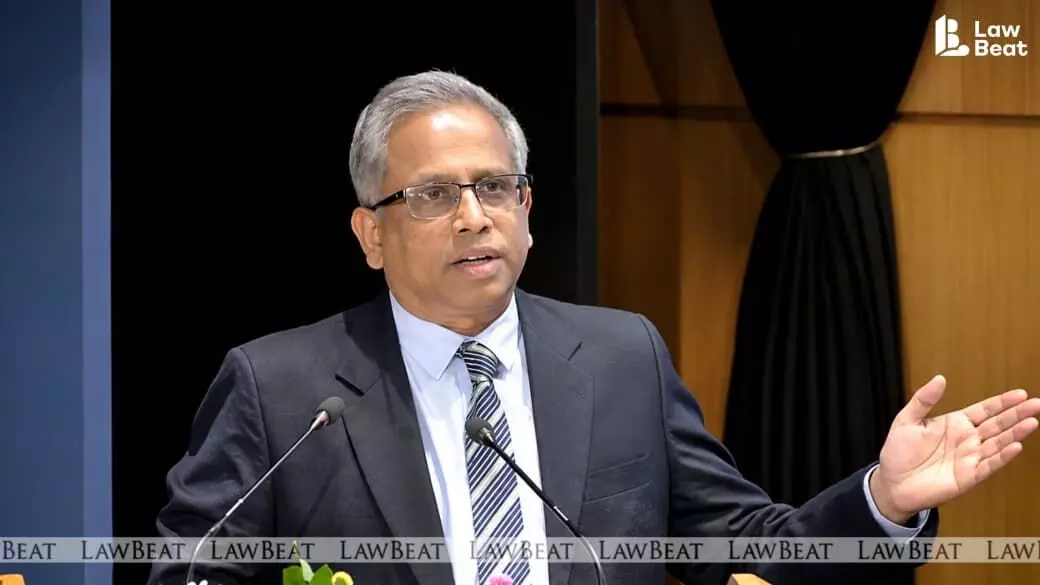
Justice K.V. Viswanathan: Judicial Independence Is 'Absolutely Non-Negotiable'
Summary
- Justice K.V. Viswanathan declared that an independent judiciary is non-negotiable, warning that its absence gravely threatens the rule of law.
- Speaking at the "Freedom on Trial" book launch, he highlighted that colonial-era trials demonstrate the dangers of bending legal procedure to power.
- The book, authored by Akash Vajpai, explores twelve historical cases, emphasizing judicial independence, the rule of law, and the sacrifices of freedom fighters.
- Justice Viswanathan cited examples like Judge Broomfield's conduct towards Gandhi and the procedural flaws in Bhagat Singh's trial.
- He also noted the impactful arguments of Bhulabhai Desai and the broader public resonance of the accused's messages, such as those from Gandhi and Tilak.
The Imperative of Judicial Independence
Justice K.V. Viswanathan underscored the critical importance of an independent judiciary, declaring it to be "absolutely non-negotiable."
Supreme Court Justice K.V. Viswanathan recently underscored the critical importance of an independent judiciary, declaring it to be "absolutely non-negotiable." Speaking at the launch of Akash Vajpai's book, "Freedom on Trial: Twelve Cases That Shaped India’s Struggle for Freedom," Justice Viswanathan emphasized that the historical record of colonial-era trials clearly illustrates the perils when legal procedures are manipulated to serve the interests of power. He warned that the absence of a truly independent judiciary poses a grave threat to the foundational principles of the India rule of law.
Justice K.V. Viswanathan highlighted that the book offers far more than a mere recounting of twelve colonial-era trials, detailing the prosecution's arguments, the defense strategies, and the ultimate verdicts. Instead, he identified numerous profound messages embedded within its narratives. Foremost among these is a powerful tribute to judicial independence itself. Another crucial insight is the inevitable consequence for those who administer tyrannical laws, as such statutes are destined to "seriously boomerang" upon them. The work also reinforces the enduring significance of the rule of law and commemorates the immense sacrifices made by India's freedom fighters.
Reflecting on the sacrifices, Justice Viswanathan invited the audience to consider the dedication of lawyers like Mahatma Gandhi, who willingly abandoned their professional careers and comfortable incomes to join the struggle for independence. He stressed that the book serves as a timely reminder that the freedom and independence enjoyed today were secured at an immense cost. For contemporary citizens, the overarching message is to cherish and uphold these hard-won values, recognizing the continuous effort required to maintain them.
Lessons from Colonial-Era Justice
Justice Viswanathan lauded author Akash Vajpai for maintaining an objective perspective, even extending fairness to the British judges depicted in the book. He recounted the 1922 trial of Mahatma Gandhi, where Judge C.N. Broomfield, despite sentencing Gandhi to six years, expressed that no one would be happier if the term were reduced, acknowledging Gandhi as "a man subject to the law." The judge then bowed to Gandhi, who reciprocated the gesture. Justice Viswanathan noted that while such conduct demonstrated courage, it also revealed a certain "helplessness" within the system.
He further observed that the core issue often lay within the legal procedure itself. In the infamous case of Bhagat Singh, for instance, the tribunal was established through a vice-regal ordinance, stripping the accused of any right to appeal or revision and permitting proceedings to continue even in their absence. Justice Viswanathan critically noted that judges of that period frequently adhered strictly to the "black and white letter of law," thereby losing sight of its underlying spirit and the essential interpretative process required for true justice.
The Enduring Legacy of Resistance
The book also illuminates the pivotal roles played by the legal bar and the accused themselves. Justice Viswanathan recalled the extraordinary dedication of Bhulabhai Desai, who, despite being carried up stairs in a chair, argued for two full days in the Indian National Army (INA) trial. Desai contended that subject peoples possessed the right to take up arms for their liberation and that the term "law" within the Penal Code should encompass international law. Although the court did not accept this argument, Justice Viswanathan pointed out that "the country did," a sentiment tragically underscored by Desai's death just four months after the judgment.
He also highlighted the commendable conduct of Advocate General Naushirwan Engineer, who, during the INA trial, informed the court that the accused had acted from motives they sincerely believed to be patriotic. Engineer suggested these motives could be considered in sentencing, even if they did not constitute a legal defense. Justice Viswanathan praised this as an example of the book's objectivity, asserting that such integrity should be a standard for all law officers. The accused, he noted, often spoke beyond the confines of the bench and bar, understanding their messages would resonate with a much broader audience.
Mahatma Gandhi, for example, read his statement for fifteen minutes without seeking leniency, while Bal Gangadhar Tilak spoke for six consecutive days, arguing that a Marathi article should be judged by its impact on Marathi readers, not by a distorted English translation. The INA trial at the Red Fort, initially intended to suppress treason, inadvertently ignited nationwide protests and became a powerful symbol of Hindu-Muslim-Sikh unity. Justice Viswanathan also recounted that Bhagat Singh’s execution on March 23, 1931, was advanced by nearly twelve hours due to fears of public outrage. He concluded that while almost every trial detailed in the book resulted in a loss for the accused, the overarching cause of freedom was ultimately victorious.
Practical Implications
This article reinforces the foundational importance of judicial independence and the rule of law in India, reminding lawyers to uphold these principles in their advocacy and client advice, particularly in cases challenging state action or defending fundamental rights. It underscores the historical struggle for these values, providing context for constitutional arguments.
Source
Source: Original reporting via Live Law
How does this affect you?
Get an AI analysis of this article grounded in your jurisdictions, practice areas, and any policy documents you've uploaded to Wansom.
Finish Reading the Full Story and the Expert Analysis.
Get the latest legal & regulatory intelligence in India
Wansom is AI and can make mistakes.