
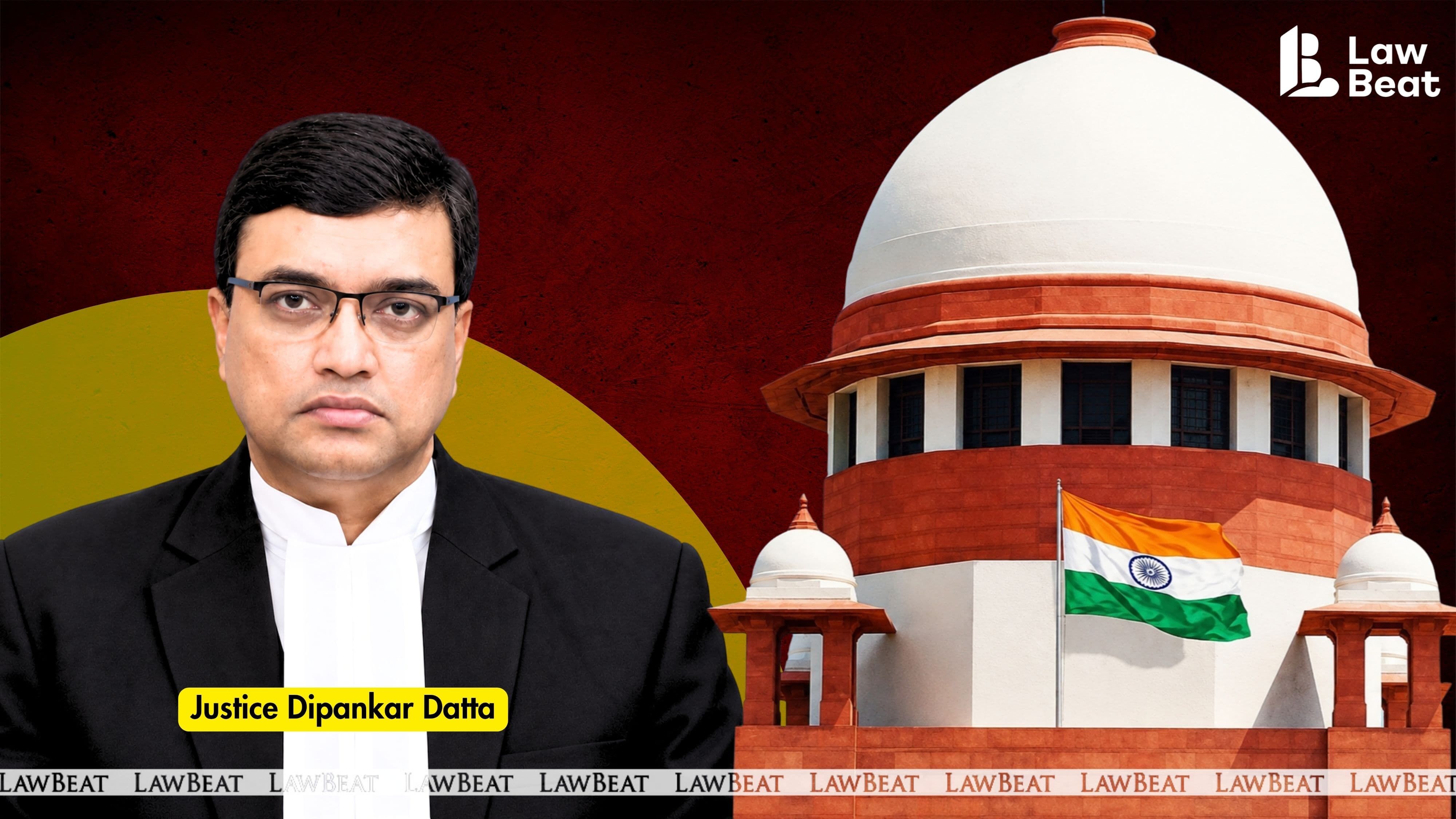
Justice Dipankar Datta: Death Sentence Commutations Fuel Crime
Summary
- Justice Dipankar Datta orally remarked that the Supreme Court's leniency in commuting death sentences has contributed to a rise in crime.
- The remarks were made during a hearing concerning a life convict's plea for premature release, whose death sentence for murder had been commuted.
- Justice Datta criticized the Court's own 'forgiving nature' and stated that a line must be drawn, suggesting a re-evaluation of the 'rarest of rare' doctrine.
- He cited two cases where individuals, after receiving leniency or parole, committed further murders, including one where a death sentence was commuted twice.
- These observations indicate a potential shift towards a stricter judicial approach to death sentence commutations and premature release applications.
Supreme Court Signals Stricter Stance on Leniency
Justice Datta directly attributed the current challenges to the Court's own approach to sentencing, stating, "It is because of our forgiving nature, that India is facing these problems. Forgive, forgive, forgive, you have to draw a line somewhere."
In a significant oral observation, Supreme Court Justice Dipankar Datta recently linked the Court's past leniency in commuting death sentences to a perceived increase in crime across the nation. Speaking during a hearing concerning a life convict's application for premature release, Justice Datta asserted that this forgiving approach must ultimately cease. His remarks, made while sitting on a bench with Justice Sheel Nagu, suggest a potential shift in the judicial sentencing policy in India, particularly regarding capital punishment and subsequent clemency.
The specific case prompting these comments involved an individual whose death sentence for murder had previously been reduced to life imprisonment. Justice Datta's strong statements indicate a growing concern within the judiciary about the long-term societal impact of such decisions. The Justice emphasized that the time has come to re-evaluate the balance between judicial compassion and public safety, suggesting that unchecked leniency might inadvertently contribute to criminal activity.
Re-evaluating the 'Rarest of Rare' Doctrine
Justice Datta further elaborated on his concerns by reflecting on the historical application of the 'rarest of rare' doctrine in murder cases. He noted that while this principle guided earlier decisions, circumstances have evolved, necessitating a re-evaluation of its practical implications. The Justice directly attributed the current challenges to the Court's own approach to sentencing, stating, "It is because of our forgiving nature, that India is facing these problems. Forgive, forgive, forgive, you have to draw a line somewhere."
This candid assessment highlights a critical internal debate within the Supreme Court regarding its role in criminal justice. The remarks underscore a sentiment that while judicial discretion is vital, there must be a clear boundary to leniency, especially when dealing with severe offenses. The emphasis on drawing a "line somewhere" signals a potential move towards a more stringent interpretation of sentencing guidelines and a reduced tolerance for repeated acts of violence, directly impacting future Justice Dipankar Datta death sentence commutations.
Illustrative Cases Highlight Concerns
To underscore his point about the consequences of Supreme Court death penalty leniency, Justice Datta recounted two specific instances. In one case, he recalled an individual who had been spared the gallows but subsequently murdered his wife while out on parole. The victim's testimony had originally led to the man's imprisonment, making his later act a stark example of the risks associated with premature release.
Another chilling example cited by Justice Datta involved a man whose death sentence was commuted by the Supreme Court. This individual had initially been sentenced to life imprisonment for raping and murdering his elder daughter, based on his wife's testimony. After some years, he was released on parole and proceeded to murder his wife in front of his younger daughter. Despite being given a death sentence for this second murder, the Supreme Court again commuted it to a life sentence, citing that he had not murdered the younger child. Justice Datta used this case to powerfully illustrate his argument that "our forgiving nature has to come to an end somewhere," linking such commutations to a broader issue of public safety and the need for a firmer judicial stance.
Implications for Future Clemency Applications
Justice Dipankar Datta's strong observations signal a potential shift in how the Supreme Court might approach applications for premature release and the commutation of death sentences. His remarks suggest that future pleas from India premature release life convicts could face heightened scrutiny, with a greater emphasis placed on the broader societal implications of such decisions rather than solely on individual circumstances.
This stance could lead to a more conservative application of clemency, potentially impacting the number of Justice Dipankar Datta death sentence commutations. Lawyers and petitioners will likely need to prepare arguments that robustly address public safety concerns and demonstrate compelling reasons for leniency, moving beyond previous precedents that Justice Datta implied have contributed to a death sentence rise in crime. The Court appears poised to adopt a less forgiving posture, demanding a clearer justification for any deviation from original sentencing.
Practical Implications
This signals a potential shift in the Supreme Court's approach to death sentence commutations and premature release applications, suggesting a stricter stance. Lawyers should anticipate increased scrutiny in such cases and prepare arguments accordingly, particularly regarding the 'rarest of rare' doctrine and the implications of previous leniency.
Source
Source: Original reporting via Live Law
How does this affect you?
Get an AI analysis of this article grounded in your jurisdictions, practice areas, and any policy documents you've uploaded to Wansom.
Finish Reading the Full Story and the Expert Analysis.
Get the latest legal & regulatory intelligence in India
Wansom is AI and can make mistakes.