
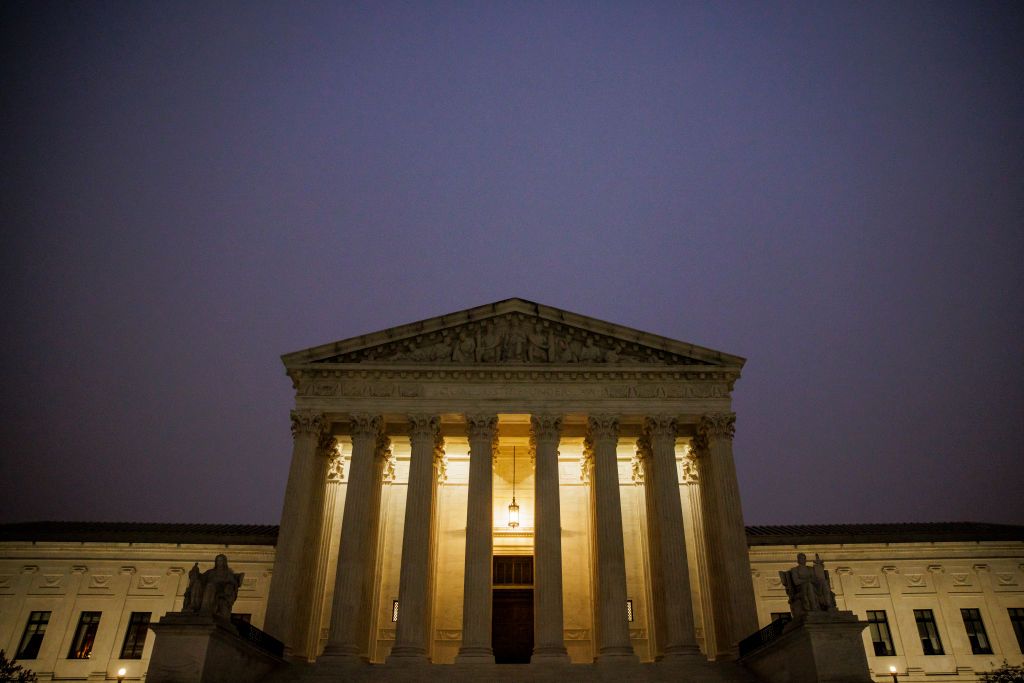
Justice Alito: Executive Emergency Docket Applications Surge
Summary
- Justice Samuel Alito expressed concern that emergency docket applications now rival fully briefed cases, a trend he expects to continue.
- He attributes this growth to presidents governing by executive order, leading to swift Supreme Court challenges.
- Data shows the Trump administration filed 12 substantive emergency applications in the 2025-26 term, down from 27 in the 2024-25 term.
- This decline in executive branch applications accounted for the entire reduction in the emergency docket's volume.
- Historically, the federal government rarely sought emergency relief, filing only 6 applications between the 2000-01 and 2015-16 terms.
Justice Alito's Emergency Docket Concerns
Unless something changes there, and I don’t foresee it right now, I’m afraid this is going to continue.
Justice Samuel Alito recently shared his insights on the Supreme Court's emergency docket, a topic he also explores in his new book, "So Ordered." During an interview with the Associated Press in early October, Justice Alito articulated three primary observations regarding the increasing reliance on these expedited applications. He noted that the volume of cases arriving via the emergency docket now approaches the number of matters the Court resolves after undergoing full briefing and oral arguments.
Justice Alito attributed this surge in emergency applications, particularly from the executive branch, to a trend where presidents increasingly govern through executive orders. Such actions frequently lead to lower-court rulings that are then swiftly brought before the Supreme Court for immediate relief. He expressed a strong belief that this pattern is unlikely to reverse in the near future, stating, "Unless something changes there, and I don’t foresee it right now, I’m afraid this is going to continue." Alito underscored the Court's obligation to address these filings, emphasizing that an application is "something that I think we have to rule on."
Executive Branch's Shifting Role
While Justice Alito's observations highlight a general increase, recent data from the Supreme Court's emergency docket offers a more nuanced picture, particularly concerning the executive branch's engagement. The 2025-26 term, which concluded on October 4, saw a notable reduction in substantive applications filed by the Trump administration, dropping to 12 from 27 in the preceding 2024-25 term. This decline stands in contrast to other types of litigants, where application numbers remained relatively stable; states filed 8 applications in the 2025-26 term compared to 9 in the 2024-25 term, and private parties submitted 20 applications versus 19 in the prior term.
This specific reduction in federal government emergency relief Supreme Court applications accounts for the entirety of the overall decrease in the emergency docket's volume during the 2025-26 term. Historically, the federal government rarely sought such expedited intervention from the Court. Across a significant period, from the 2000-01 term through the 2015-16 term, the federal government filed a mere 6 applications in total, underscoring a dramatic shift in the executive branch's approach to seeking rapid judicial review in more recent years.
Implications for the Shadow Docket
The data, while showing a recent dip in executive branch SCOTUS applications, partially supports Justice Alito's broader concern about the sustained high volume of emergency docket activity. Even with the Trump administration's reduced filings in the most recent term, the overall reliance on the Supreme Court's shadow docket remains a significant feature of modern litigation, especially for matters stemming from executive actions. The Court's willingness, as noted by Alito, to rule on these applications ensures their continued prominence.
Justice Alito's prediction that the trend of frequent emergency applications will persist, despite the recent executive branch dip, suggests that the Court and legal practitioners must remain prepared for rapid adjudication of significant legal questions outside the traditional full briefing schedule. The ongoing use of the emergency docket for executive branch actions, even if fluctuating, signifies a fundamental change in how critical legal disputes reach the nation's highest court, demanding constant vigilance from all parties involved.
Practical Implications
The article highlights Justice Alito's concern about the sustained high volume of emergency docket applications, particularly from the executive branch. Lawyers should anticipate continued reliance on the Supreme Court's emergency docket for significant, expedited rulings on executive actions, necessitating preparedness for rapid legal challenges and responses outside of traditional full briefing schedules.
Source
How does this affect you?
Get an AI analysis of this article grounded in your jurisdictions, practice areas, and any policy documents you've uploaded to Wansom.
Finish Reading the Full Story and the Expert Analysis.
Get the latest legal & regulatory intelligence in United States
Wansom is AI and can make mistakes.