
Judge Snow Spares Arizona Sheriff Contempt: Urges Dialogue in Racial Profiling Case
Summary
- U.S. District Judge G. Murray Snow chose not to hold Maricopa County Sheriff Jerry Sheridan in contempt for non-compliance.
- The Maricopa County Sheriff's Office has not yet achieved full compliance with court orders, necessitating continued federal monitoring.
- Persistent issues include Hispanic motorists being disproportionately arrested, stopped longer, and searched more often, according to internal data.
- A backlog of internal investigations into civil rights violations also remains unresolved within the sheriff's office.
- Judge Snow urged better communication with the federal monitor and greater involvement of the community advisory board to resolve outstanding issues.
Judicial Scrutiny Continues for Maricopa County Sheriff
The ongoing federal oversight of the Maricopa County Sheriff's Office underscores the persistent challenges in overcoming the legacy of former Sheriff Joe Arpaio.
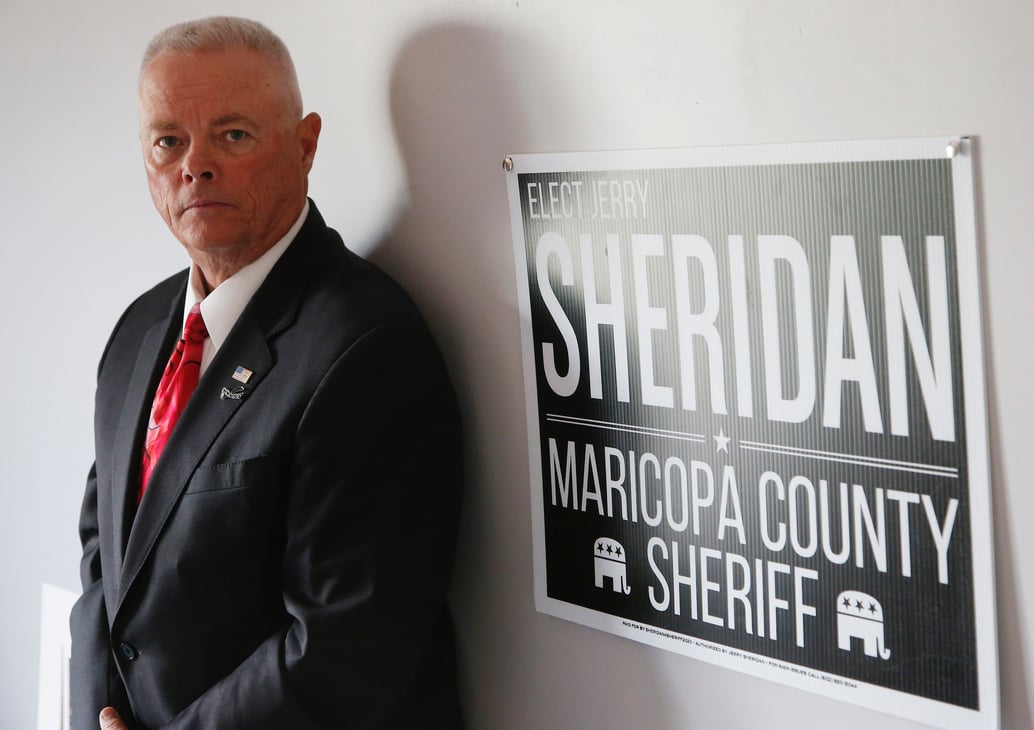
U.S. District Judge G. Murray Snow recently opted against holding Maricopa County Sheriff Jerry Sheridan in contempt, despite ongoing non-compliance with court orders stemming from a long-standing racial profiling class action. During a recent court appearance, Senior Judge Snow, a George W. Bush appointee, directly addressed Sheriff Sheridan, encouraging enhanced communication to resolve persistent issues. The judge underscored his belief that the sheriff does not intend to engage in biased policing, while also acknowledging the need for significant improvements within the Maricopa County Sheriff's Office.
This decision follows Judge Snow's denial two months prior of Maricopa County's motion for relief from judgment. While recognizing the substantial progress made by Arizona's largest sheriff's office since the tenure of former Sheriff Joe Arpaio, whose administration was found in a 2013 trial to have promoted the racial profiling of Latino drivers, the court determined that full compliance necessary to remove the federal monitor has not yet been achieved. The judge's current stance indicates a preference for resolution through dialogue and active engagement rather than immediate punitive measures.
Persistent Disparities and Investigative Lapses
Two primary areas of concern continue to impede the Maricopa County Sheriff's Office from achieving full compliance. Firstly, internal traffic report data reveals significant disparities: Hispanic motorists are approximately 40% more likely to be arrested, experience stops that are 30% longer, and are more than twice as likely to be searched compared to their white counterparts. While Judge Snow acknowledged that these indicators of bias do not automatically prove biased policies or officers, he urged Sheriff Sheridan to provide a clearer explanation to both the plaintiff class and the public regarding the underlying causes of these statistical discrepancies.
Secondly, Sheriff Sheridan has yet to eliminate a substantial backlog of internal investigations concerning reported civil rights violations. Judge Snow pressed the sheriff to assume a more proactive role in overseeing these investigations. Despite these outstanding issues, Judge Snow expressed confidence in Sheridan's stated desire to clear the backlog, noting that problems related to command structure and the involvement of third-party investigators should be relatively straightforward to address.
Charting a Course for Enhanced Compliance
To foster greater transparency and accountability, Judge Snow outlined several directives aimed at improving the Maricopa County Sheriff's Office's adherence to court mandates. He emphasized the critical need for better communication, particularly between the sheriff's office and the federal monitor, led by former Rochester Police Chief Robert Warshaw. The judge also stressed that the community advisory board, established in 2013 to assist with compliance efforts, should be an integral part of any ongoing discussions. Joseph Popilizio, representing the sheriff, proposed implementing regular status conferences between the existing quarterly site visits to facilitate more open dialogue, a suggestion welcomed by the court.
However, Judge Snow also issued a stern warning to Popilizio regarding the tone of some communications with the monitor, deeming them inappropriate and in violation of court orders. He clarified that any disagreements between the county or the sheriff's office and the monitor regarding the implementation of court orders must first involve consultation with the plaintiff class, represented by the American Civil Liberties Union of Arizona, before escalating to the monitor directly. Furthermore, the judge, who had previously moved quarterly community meetings to the federal courthouse and then made them virtual due to disrespectful behavior from attendees, reiterated the importance of constructive engagement.
The Enduring Shadow of Joe Arpaio's Legacy
The ongoing federal oversight of the Maricopa County Sheriff's Office underscores the persistent challenges in overcoming the legacy of former Sheriff Joe Arpaio. The 2013 finding of racial profiling under Arpaio's administration initiated a period of intense judicial scrutiny, which continues to this day through the presence of a federal monitor. While Judge Snow acknowledged the progress made, the continued existence of a federal monitor and the specific issues highlighted in court demonstrate that the MCSO has not yet fully shed the practices that led to the initial racial profiling class action in Arizona.
The judge indicated an openness to discussing which aspects of his extensive orders might no longer necessitate direct monitorship, signaling a potential path towards reduced oversight if substantial and verifiable compliance is achieved. However, the current situation emphasizes that the Maricopa County Sheriff's Office remains under federal supervision, with the court actively pushing for Sheriff Jerry Sheridan compliance through improved data transparency, timely internal investigations, and effective engagement with both the monitor and the community advisory board.
Practical Implications
This development indicates that the Maricopa County Sheriff's Office remains under federal oversight for civil rights violations, with the court pushing for improved communication and compliance rather than immediate contempt. Lawyers advising law enforcement agencies should note the judge's emphasis on transparency in data, timely internal investigations, and effective engagement with monitors and community boards to avoid similar protracted compliance issues and potential future contempt findings.
Source
How does this affect you?
Get an AI analysis of this article grounded in your jurisdictions, practice areas, and any policy documents you've uploaded to Wansom.
Finish Reading the Full Story and the Expert Analysis.
Get the latest legal & regulatory intelligence in United States
Wansom is AI and can make mistakes.