
Judge Menendez: Dismisses Minnesota ICE Operation Metro Surge Suit
Summary
- A federal judge dismissed a class action lawsuit brought by the ACLU against U.S. Immigration and Customs Enforcement over its Operation Metro Surge in Minnesota.
- U.S. District Judge Katherine Menendez ruled that the plaintiffs lacked standing because the operation had concluded, and there was no imminent or ongoing threat of harm.
- The lawsuit, filed in December 2025, alleged First and Fourth Amendment violations by ICE agents against bystanders and observers during the enforcement activities.
- While initially granting a preliminary injunction, Judge Menendez later found that federal officials' actions to scale back the operation significantly reduced the likelihood of plaintiffs experiencing similar harm again.
- The court left open the possibility for new legal action should ICE resume similar operations or if new injuries arise, emphasizing the need for continuous monitoring of agency activities.
Court Dismisses Civil Rights Challenge to ICE Operation
This ruling underscores the critical importance of demonstrating ongoing or imminent harm for plaintiffs seeking to challenge federal agency actions, particularly when the alleged harmful operations have concluded.
A federal judge recently dismissed a class action lawsuit initiated by the American Civil Liberties Union (ACLU) against U.S. Immigration and Customs Enforcement (ICE) concerning its tactics during Operation Metro Surge in Minnesota. U.S. District Judge Katherine Menendez, in a 27-page order, concluded that the plaintiffs lacked the necessary standing to proceed with their claims, primarily because the controversial operation had concluded, and there was no sufficient threat of imminent or ongoing harm.
The ruling by Judge Menendez dismisses the Minnesota ICE Operation Metro Surge suit, which was the first known legal challenge against the agency over this specific enforcement action. The ACLU had originally filed the case in December 2025, alleging widespread constitutional violations against Minnesotans who were not direct targets of the immigration enforcement activities. The judge noted that the circumstances surrounding the initial complaint were unique to the state, involving significant protest and observer activity.
Allegations of Constitutional Breaches and Procedural History
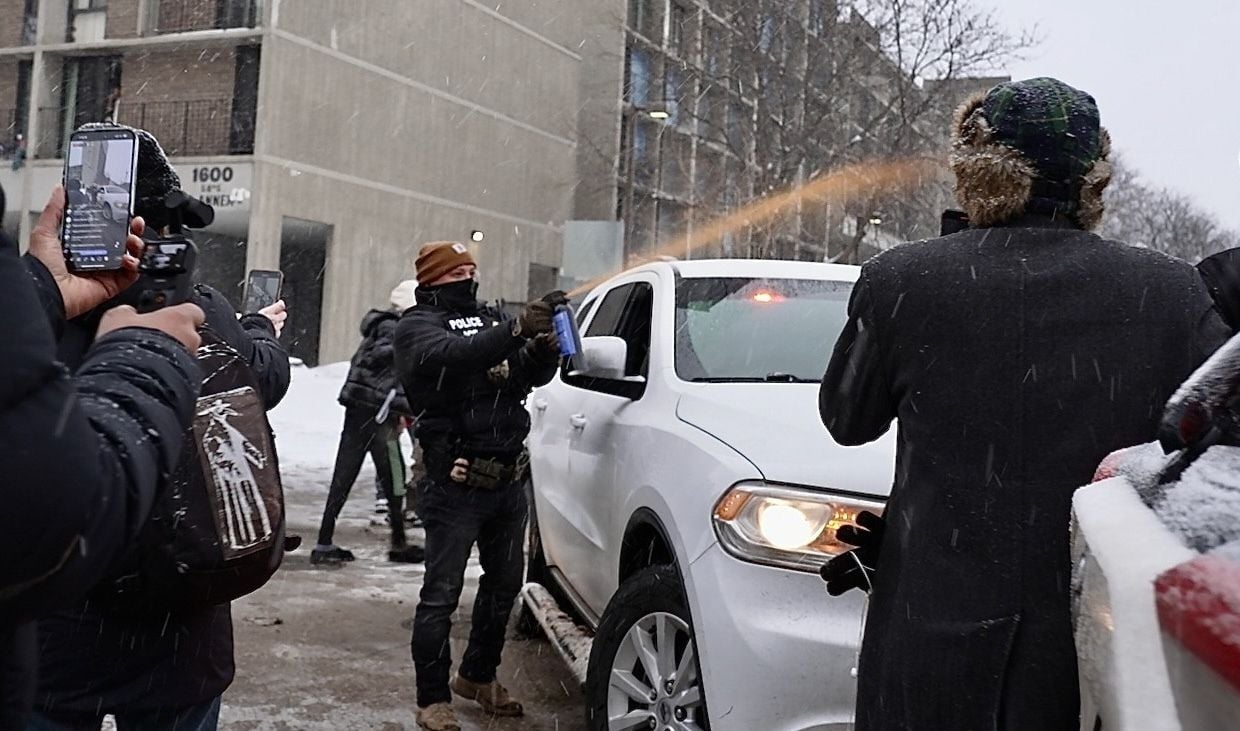
The ACLU's lawsuit detailed claims of federal immigration agents using pepper spray, intimidation, and excessive force against bystanders and observers. These individuals, according to the complaint, were not the subjects of any enforcement operation but were allegedly retaliated against for documenting or protesting ICE activities. The complaint specifically cited violations of First and Fourth Amendment rights, highlighting instances where agents allegedly pulled over, detained, or otherwise targeted plaintiffs.
One prominent example involved Susan Tincher, a 55-year-old Minneapolis resident and lead plaintiff, who claimed she was tackled, handcuffed, and held for five hours after merely asking if agents were from ICE. Initially, Judge Menendez granted a preliminary injunction in favor of the plaintiffs, though this decision was later overturned by the Eighth Circuit. Following this, the ACLU filed an amended complaint, adding three journalists to the suit and including over 100 declarations from community members detailing alleged unconstitutional retaliation by ICE agents.
Lack of Standing Undermines Claims
The core of Judge Menendez's decision to dismiss the Operation Metro Surge standing dismissal hinged on the cessation of the operation itself. She observed that federal officials had taken significant steps to scale back the surge, transitioning from broad, at-large operations in Minneapolis to more targeted arrests in prisons and jails, and relocating a substantial number of federal agents out of Minnesota. This reduction in activity, coupled with the subsequent period of calm, led the judge to conclude there was little likelihood that the plaintiffs would again be subjected to the harm they experienced.
While Judge Menendez had expressed skepticism about the government's motion to dismiss during a May hearing, noting the previous administration's lack of admission of wrongdoing or guarantees against future operations, four additional months of continued inaction ultimately assuaged her concerns. She stated that the facts presented no longer supported the pillars on which the plaintiffs' standing for the preliminary injunction had been built. However, one plaintiff, Ryan Doxsey, who claimed ICE agents threatened to add him to a 'list of domestic terrorists,' was granted leave to amend his complaint.
Implications for Future Civil Rights Litigation
This ruling establishes a precedent regarding standing in civil rights cases against federal agencies when the alleged harmful operation has concluded, emphasizing the need for imminent or ongoing harm. The Judge Katherine Menendez civil rights decision highlights that while the specific ACLU v ICE Minnesota dismissal occurred, the court explicitly left the door open for new legal action. This could happen if new circumstances or injuries arise, such as the government resuming similar operations in Minnesota.
Attorneys representing federal agencies had argued during the May hearing that any future law enforcement operation in Minnesota would likely be fundamentally different, with new guidelines and objectives, thereby necessitating separate legal action. This outcome underscores that while this particular ICE First Fourth Amendment lawsuit was dismissed, the legal pathway remains open for future challenges should agency activities resume in a manner that causes new or ongoing constitutional injuries to citizens.
Practical Implications
This ruling establishes a precedent regarding standing in civil rights cases against federal agencies when the alleged harmful operation has concluded, emphasizing the need for imminent or ongoing harm. Lawyers advising clients on potential litigation against ICE or similar agencies should note that while this specific suit was dismissed, the door remains open for new legal action if operations resume or new injuries occur, requiring continuous monitoring of agency activities for actionable claims.
Source
How does this affect you?
Get an AI analysis of this article grounded in your jurisdictions, practice areas, and any policy documents you've uploaded to Wansom.
Finish Reading the Full Story and the Expert Analysis.
Get the latest legal & regulatory intelligence in United States
Wansom is AI and can make mistakes.