
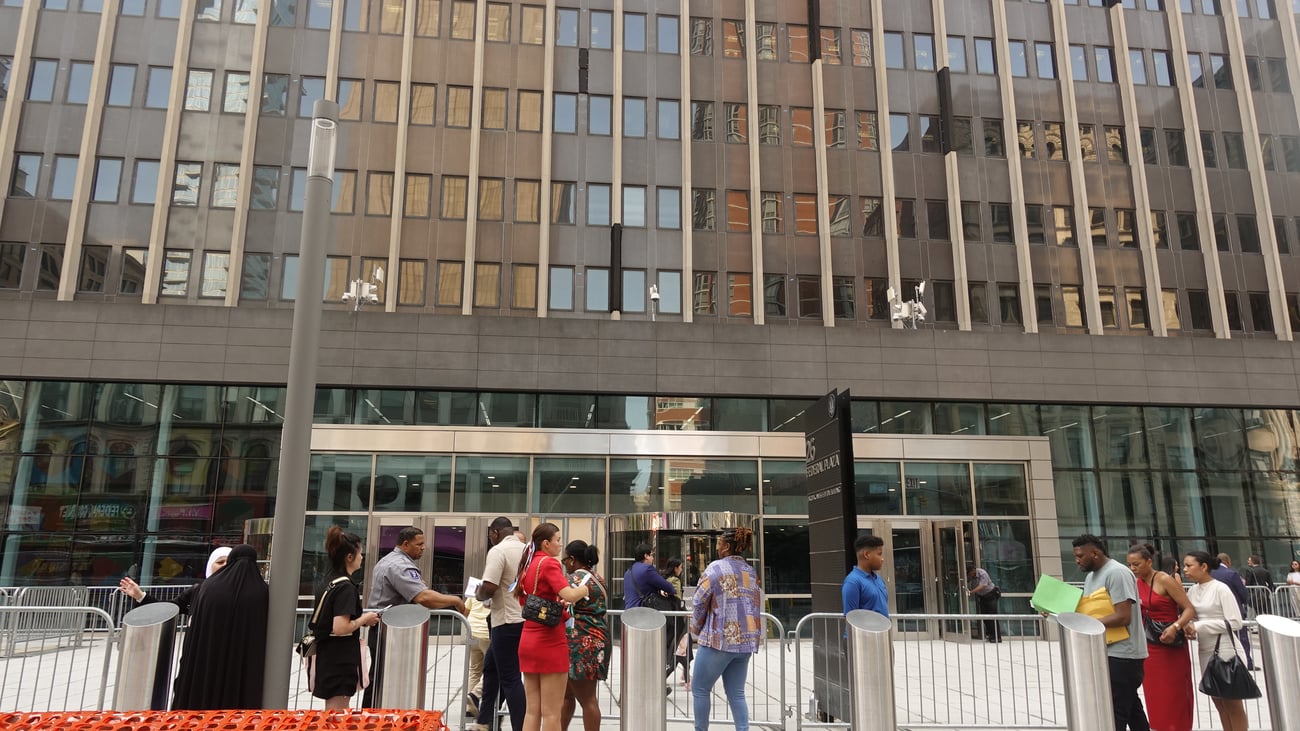
ICE 26 Federal Plaza Permanent Injunction: Judge Kaplan Orders Reforms
Summary
- U.S. Senior District Judge Lewis Kaplan issued a permanent injunction against ICE, mandating significant improvements at the 26 Federal Plaza detention facility.
- The judge found conditions at the facility to be “dreadful” and “squalid,” with detainees often forced to sleep upright due to severe overcrowding.
- New requirements include providing pillows, dimming lights at night, offering legal calls within one hour of detention, and conducting medical screenings for all detainees.
- The ruling follows ICE's selective compliance with a previous temporary injunction and evidence of infectious diseases and internal concerns about overcrowding.
- Judge Kaplan concluded that ICE's treatment of detainees was “inhumane and unconstitutional” due to prolonged and overcrowded detention.
Court Mandates Sweeping Changes at 26 Federal Plaza
Judge Kaplan concluded that by detaining significantly more individuals than intended, and for far longer periods than appropriate, ICE's actions constituted “inhumane and unconstitutional” treatment.
A federal judge has issued a permanent injunction against U.S. Immigration and Customs Enforcement (ICE), mandating significant improvements to the conditions for detainees at the 26 Federal Plaza facility in Lower Manhattan. U.S. Senior District Judge Lewis Kaplan, a Bill Clinton appointee, granted class certification to the detainees, concluding a period of litigation spanning over a year concerning the facility's living standards. In a comprehensive 127-page ruling, Judge Kaplan characterized the treatment of individuals held at the site as “dreadful” and “squalid.”
The judge's decision highlights severe overcrowding as a primary concern, citing trial evidence that detainees were frequently confined to holding rooms far beyond their intended capacity and for excessive durations. This led to situations where individuals were forced to attempt sleep while sitting upright due to insufficient space to lie down. Some detainees reportedly resorted to sleeping near toilets, behind partial wall partitions, underscoring the dire conditions.
This ICE 26 Federal Plaza permanent injunction is a critical development in addressing long-standing complaints about the facility. The ruling aims to establish legally enforceable minimum standards for the welfare of individuals held there, following extensive scrutiny of the conditions and ICE's previous responses to judicial directives.
History of Non-Compliance and Deteriorating Conditions
Judge Kaplan had previously issued temporary relief to the detainees, requiring ICE to enhance conditions within the holding rooms. However, his recent ruling criticized the agency for selectively adhering to these earlier demands. While acknowledging some improvements, such as a reduction in crowding from its peak last summer, the judge noted that ICE had complied with orders only when convenient and had persistently disregarded other requirements.
Evidence presented during the trial indicated that capacity sometimes exceeded the limits set by Judge Kaplan's initial injunction. Detainees also consistently reported difficulties in accessing legal counsel. The initial injunction had established a strict space cap of one detainee per 50 square feet and mandated the provision of clean bedding mats, hygiene supplies, and private, accessible phone access to attorneys within one day of detention. The new permanent injunction builds upon these foundational requirements, addressing areas where compliance was found lacking.
This pattern of selective adherence underscores the necessity of the permanent injunction detention facilities ruling to ensure sustained improvements. The judge's findings reveal a systemic issue where previous directives were not fully implemented, necessitating a more robust and legally binding framework for detainee treatment.
New Standards for Detainee Welfare and Access
The new permanent order introduces several additional requirements to enhance the welfare of detainees at 26 Federal Plaza. ICE is now mandated to provide pillows and to dim the lights in holding rooms between 9 p.m. and 7 a.m., addressing previous complaints that bright fluorescent lights were kept on throughout the night, disrupting sleep. Furthermore, the Judge Lewis Kaplan ICE ruling significantly strengthens protections for legal communications, requiring that every detainee be offered the opportunity to make a phone call within one hour of being detained.
Beyond living conditions and legal access, the permanent injunction also mandates the provision of on-site medical services. Each detainee must undergo a medical screening before being placed in a holding room, a crucial step to prevent the spread of illness and ensure basic health care. These new requirements are directly informed by evidence presented during a one-day bench trial earlier this year, which provided an in-depth look into the daily realities faced by individuals inside 26 Federal Plaza.
These specific provisions aim to rectify the “inhumane and unconstitutional” treatment identified by the court. The comprehensive nature of the New York immigration detention lawsuit outcome sets clear, legally enforceable standards for ICE constitutional rights detainees, particularly regarding their living environment, health, and ability to communicate with legal representatives.
Evidence of Systemic Failures
The court's findings were heavily influenced by compelling evidence, including internal text messages from ICE officials, which painted a stark picture of the facility's conditions. These communications revealed that infectious diseases, such as monkeypox and tuberculosis, had permeated throughout the facility. An assistant field office director for ICE in New York, Nancy Zanello, noted in a 2025 email, “This week has been one gross contagion after another,” highlighting the severity of the health crisis.
Further internal correspondence demonstrated that even ICE employees recognized the unacceptable level of overcrowding. One employee wrote to another, “This is insane,” while another stated, “We desperately need to get some detainees out of 26 Fed,” indicating an awareness within the agency of the untenable situation. This internal testimony corroborated detainees' accounts and underscored the systemic nature of the problems.
Judge Kaplan concluded that by detaining significantly more individuals than intended, and for far longer periods than appropriate, ICE's actions constituted “inhumane and unconstitutional” treatment. The extensive evidence presented during the trial provided a robust foundation for the court's decision to issue the permanent injunction, ensuring that the 26 Federal Plaza detainee conditions are brought into compliance with constitutional standards.
Practical Implications
This permanent injunction establishes specific, legally mandated minimum standards for detainee treatment at 26 Federal Plaza, including attorney access, medical care, and living conditions. Immigration and civil rights lawyers should be aware of these new requirements and the precedent set for challenging 'inhumane and unconstitutional' detention conditions, using this ruling to advocate for clients or monitor ICE compliance.
Source
How does this affect you?
Get an AI analysis of this article grounded in your jurisdictions, practice areas, and any policy documents you've uploaded to Wansom.
Finish Reading the Full Story and the Expert Analysis.
Get the latest legal & regulatory intelligence in United States
Wansom is AI and can make mistakes.