
Judge Chen Revives Once Upon a Farm False Advertising Lawsuit
Summary
- A federal judge in California has reinstated a false advertising lawsuit against baby food company Once Upon a Farm.
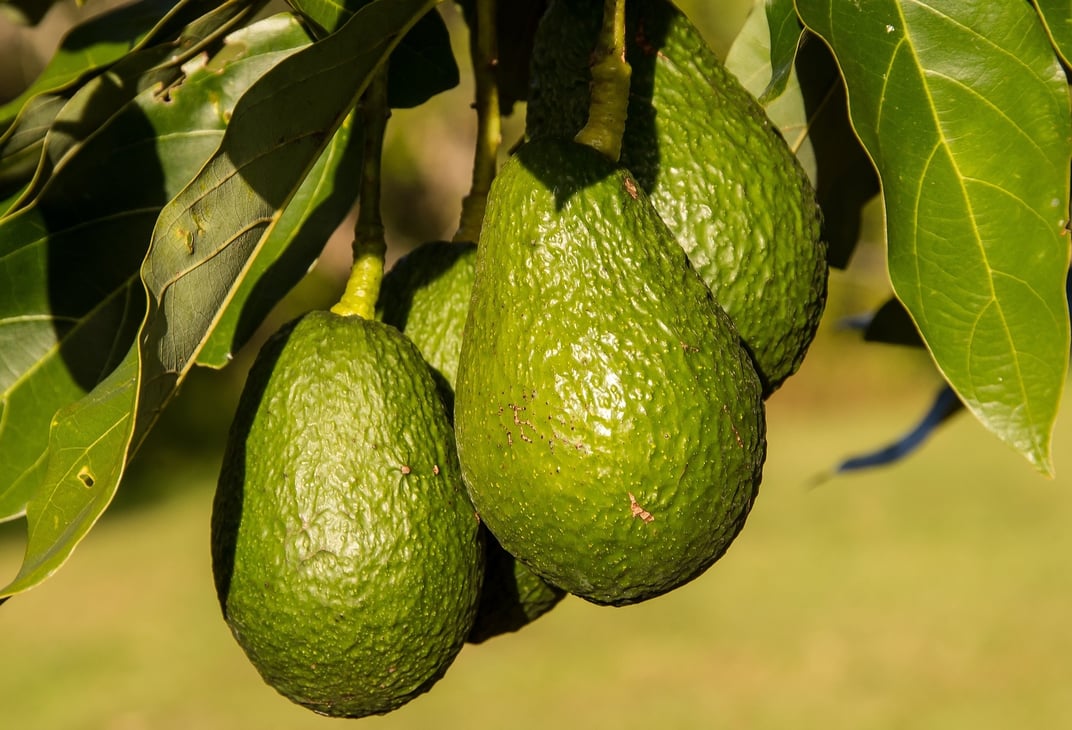
- The lawsuit alleges the company's "Wild Rumpus Avocado" pouch is misleadingly labeled as a "Fruit & Veggie Blend" because avocado is botanically a fruit and mint is an herb.
- Senior U.S. District Judge Edward M. Chen reversed his initial dismissal, citing a 2024 Ninth Circuit decision, `Whiteside v. Kimberly Clark Corp`.
- The court determined that a reasonable consumer could expect actual vegetables in the product, making the claim of falsity viable without needing to check the back label.
- The `Once Upon a Farm false advertising` case will now proceed, including claims for punitive damages and class action status.
The Core Dispute
A reasonable consumer could logically infer the presence of a vegetable beyond avocados, which is enough to establish a claim of falsity without necessitating a review of the product's rear label.
A federal judge in California has revived a consumer protection lawsuit targeting Once Upon a Farm, a Berkeley-based baby food company, over its product labeling practices. The litigation, initiated by Los Angeles resident Alexa Parashos, centers on the company's "Wild Rumpus Avocado" organic food pouch, which is prominently marketed as an "Organic Fruit & Veggie Blend" on its front label.
Parashos contends that this labeling is misleading, asserting that the product, despite its green appearance, contains no actual vegetables. She points to the U.S. Food and Drug Administration's classification of avocado as a fruit and mint, another ingredient, as an herb. The pouch's full ingredient list includes pineapple, banana, apple, avocado, and mint. Parashos's complaint alleges fraud and violations of California's consumer protection and false advertising statutes, seeking to proceed as a class action.
Initially, in early August, Senior U.S. District Judge Edward M. Chen had granted Once Upon a Farm's motion to dismiss the case. At that time, Judge Chen concluded that the term "veggie" was neither "literally false" nor so overtly deceptive that a reasonable consumer would not be expected to consult the product's back label for clarification.
Judicial Reversal and Legal Precedent
However, just two weeks following his initial dismissal, Judge Chen reconsidered his position and requested additional legal briefing from the parties. This led to a significant reversal of his prior ruling, allowing the `Once Upon a Farm false advertising` lawsuit to move forward.
Judge Chen's revised assessment was heavily influenced by a 2024 Ninth Circuit decision, `Whiteside v. Kimberly Clark Corp`. Applying this precedent, he determined that Parashos's claim of misrepresentation held merit. The judge clarified that the phrase "Fruit & Veggie Blend" is not a "meaningless marketing term" that would inherently require consumers to seek further information to comprehend its meaning.
Crucially, Judge Chen stated that a reasonable consumer could logically infer the presence of a vegetable beyond avocados, which is enough to establish a claim of falsity without necessitating a review of the product's rear label. While he denied Parashos's request for an injunction to prevent Once Upon a Farm from continuing its current marketing, he permitted her claims for punitive damages and the pursuit of class action status to proceed.
Implications for Marketing Claims
This `Judge Chen Once Upon a Farm lawsuit` signals increased judicial scrutiny on product labeling, particularly for `organic food pouches litigation` and `baby food marketing claims`. The ruling emphasizes that companies must ensure their front-of-package claims are not misleading to a reasonable consumer, even if technically accurate information is available elsewhere on the product.
Once Upon a Farm, founded in 2011, has grown significantly, with its products now available in over 22,000 stores nationwide. The company went public in February 2026 and boasts a market capitalization approaching half a billion dollars, with actress Jennifer Garner and former Annie's CEO John Foraker among its C-suite executives. The continuation of this `California consumer protection avocado` case could set an important precedent for how food products, especially those targeting children, are allowed to describe their contents.
Compliance officers should take note of this development, as it underscores the need to review product marketing for potential 'literal falsity' claims to mitigate false advertising and consumer protection litigation risks. The case highlights that consumer expectations regarding common terms like 'veggie' can be a decisive factor in legal challenges, even when botanical definitions might differ.
Practical Implications
This ruling signals increased judicial scrutiny on product labeling claims, particularly 'fruit & veggie' descriptions, requiring companies to ensure marketing is not misleading to a reasonable consumer, even if technically accurate information is available on the back label. Compliance officers should review product marketing for potential 'literal falsity' claims to mitigate false advertising and consumer protection litigation risk.
Source
How does this affect you?
Get an AI analysis of this article grounded in your jurisdictions, practice areas, and any policy documents you've uploaded to Wansom.
Finish Reading the Full Story and the Expert Analysis.
Get the latest legal & regulatory intelligence in United States
Wansom is AI and can make mistakes.