
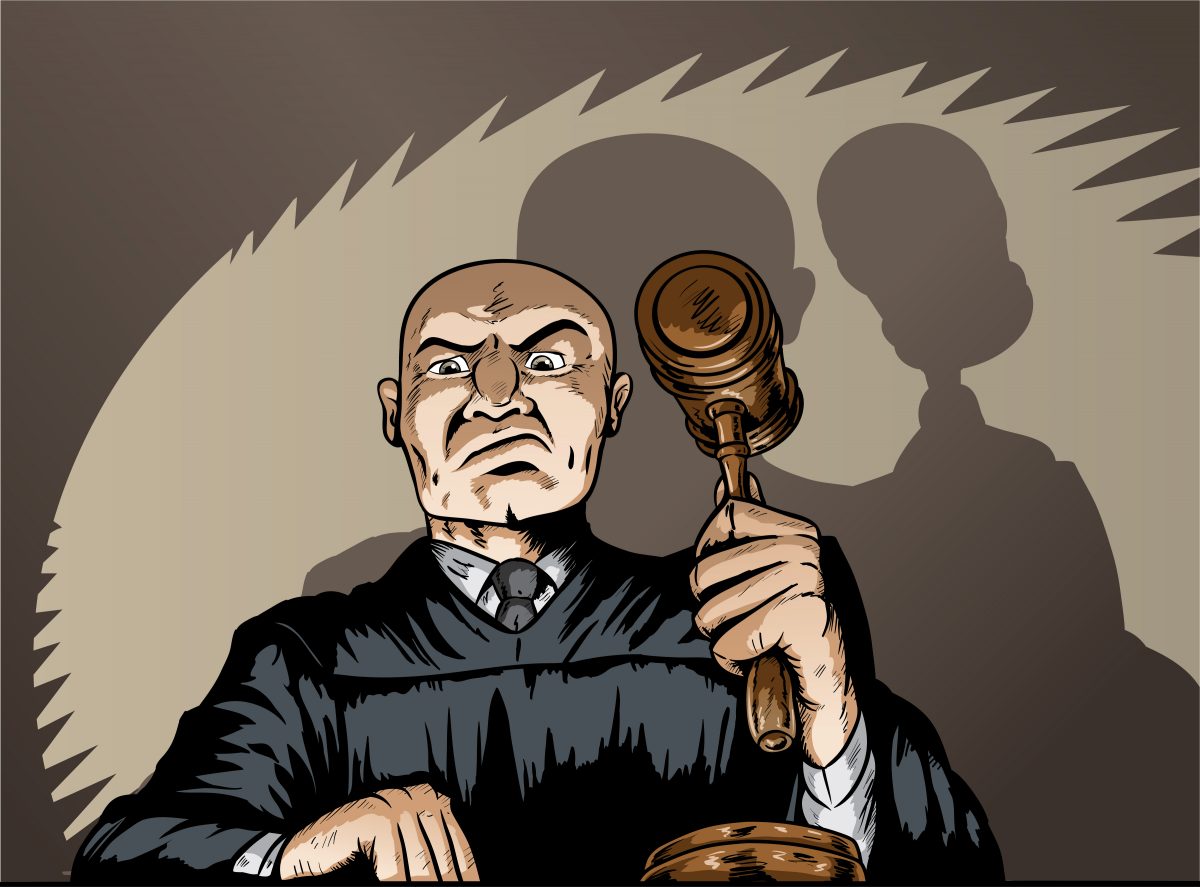
Judge Bulsara Bars AUSA Price Benitez DHS, Threatens Default Judgment
Summary
- U.S. District Judge Sanket Bulsara barred Assistant U.S. Attorney Thomas Price from the Benitez v. Department of Homeland Security case.
- The judge also threatened default judgment in the case due to a misleading November 4 letter submitted by Price.
- The letter incorrectly claimed an injunction in the related Sanchez Alfaro v. Mullin case applied only to a single petitioner.
- The actual injunction from Judge Gary Brown mandates ICE obtain warrants for civil immigration arrests in the district, with a limited exception.
- The Benitez lawsuit alleges federal immigration officers make ethnicity-based, warrantless arrests in New York.
Judicial Sanctions Imposed
The potential for misleading federal court sanctions, including being removed from a case and facing default judgment, reinforces the personal and case-level repercussions for any perceived or actual attempt to misrepresent facts or legal interpretations.
U.S. District Judge Sanket Bulsara, presiding in the Eastern District of New York, recently issued a significant ruling that saw Assistant U.S. Attorney Thomas Price barred from further participation in the ongoing litigation of Benitez v. Department of Homeland Security. This severe judicial action also included a threat of default judgment in the case, underscoring the gravity of the court's findings. The judge's decision stemmed from a specific communication submitted to the court, which was found to contain misleading information.
The Misrepresented Injunction
The misleading information in question concerned an injunction previously issued in a related legal matter, Sanchez Alfaro v. Mullin. The November 4 letter incorrectly asserted that this injunction applied solely to the individual petitioner involved in that specific case. This claim directly contradicted the actual scope and wording of the order.
The injunction, which was handed down by U.S. District Judge Gary Brown, a Trump appointee, explicitly states: "Before effecting a civil immigration arrest in this judicial district, ICE shall obtain a valid warrant of arrest in advance." This directive includes a specific exception for individuals who are likely to flee. The Sanchez Alfaro v. Mullin case itself originated from the warrantless arrest of a Long Island man possessing Special Immigrant Juvenile status, an incident where federal officers later admitted to apprehending the wrong person. Judge Brown had previously characterized the government's arguments in that case as "both factually incorrect and legally spurious," setting a precedent for judicial skepticism regarding the government's representations in immigration matters.
Implications for Legal Practice and Ethics
The decision by Judge Bulsara to bar AUSA Price from the Benitez v. Department of Homeland Security case and to threaten default judgment serves as a stark reminder of the severe consequences for attorney misconduct in federal court. This incident underscores the high ethical standards expected of all litigators, particularly when engaging with the judiciary. The Benitez lawsuit itself addresses serious allegations that federal immigration officers in New York are conducting arrests based on individuals' ethnicity and without the necessary legal warrants, raising fundamental questions about due process and civil liberties.
The potential for misleading federal court sanctions, including being removed from a case and facing default judgment, reinforces the personal and case-level repercussions for any perceived or actual attempt to misrepresent facts or legal interpretations. The actions taken by the Eastern District of New York ethics review process, as evidenced by Judge Bulsara's ruling, emphasize that the integrity of the judicial process depends on the unwavering honesty of the legal professionals involved.
Practical Implications
This development serves as a stark reminder to all litigators of the severe personal and case-level consequences, including being barred from a case and the threat of default judgment, for any perceived or actual attempt to mislead the court. Lawyers must ensure absolute candor and accuracy in all filings and representations to avoid professional sanctions and adverse outcomes for their clients.
Source
How does this affect you?
Get an AI analysis of this article grounded in your jurisdictions, practice areas, and any policy documents you've uploaded to Wansom.
Finish Reading the Full Story and the Expert Analysis.
Get the latest legal & regulatory intelligence in United States
Wansom is AI and can make mistakes.