
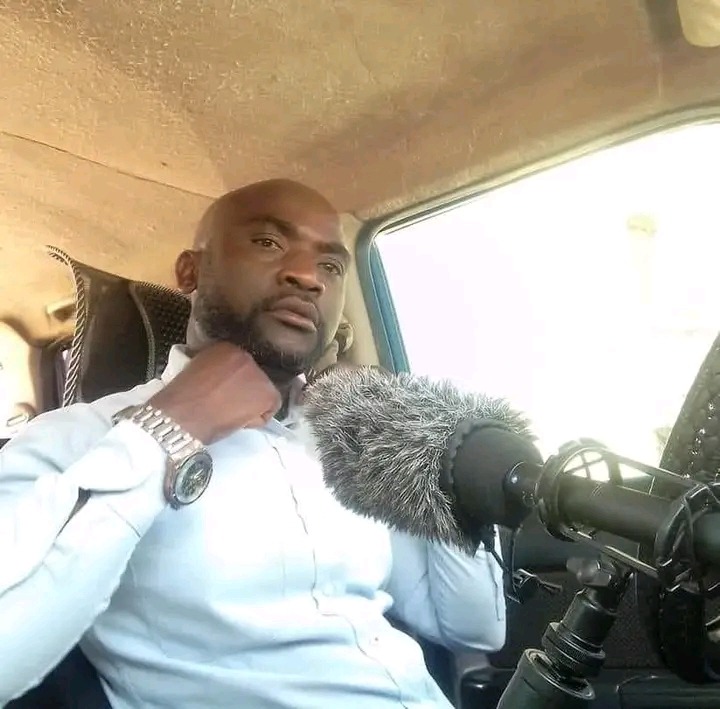
Lusaka Magistrates Court: Joseph Chishimba Chipo Mwanawasa Judgment Delivered
Summary
- The Lusaka Magistrates Court is scheduled to deliver its judgment today in a case involving vlogger Joseph Chishimba.
- Chishimba stands accused of harassing Chipokota Mwanawasa, the Special Assistant to the President for Public Policy.
- The harassment allegations stem from Chishimba circulating claims that Ms. Mwanawasa was pregnant by President Hichilema.
- This judgment is expected to have implications for online speech, public figures, and cyber harassment laws in Zambia.
What Happened
Lawyers across Zambia will be monitoring this judgment for its implications on freedom of expression versus the protection of reputation, particularly concerning public figures and online content.
The Lusaka Magistrates Court is set to deliver its verdict today in a high-profile case involving vlogger Joseph Chishimba. This anticipated *Lusaka Magistrates Court judgment* addresses serious allegations of harassment brought against Chishimba, specifically concerning his online activities and the dissemination of particular claims. The proceedings have focused on accusations that Chishimba engaged in harassing behavior directed at Chipokota Mwanawasa, who currently holds the position of Special Assistant to the President for Public Policy.
The core of the *Chipokota Mwanawasa harassment allegations* revolves around Chishimba's circulation of claims asserting that Ms. Mwanawasa was pregnant by President Hichilema. This specific and highly personal allegation forms the basis of the legal action, highlighting the complex interplay between online content creation and the protection of individual reputation. The court's decision in the *Joseph Chishimba vlogger case* is expected to provide clarity on the legal boundaries for online commentary, particularly when it involves public figures and potentially sensitive personal information.
Legal Context and Implications
The impending *Joseph Chishimba Chipo Mwanawasa judgment* carries significant weight for the evolving landscape of digital communication and legal accountability within Zambia. While the immediate report does not detail the specific legal framework under which Chishimba was charged, the nature of the accusation—harassment through the circulation of allegations—strongly suggests a focus on online conduct. This case could potentially engage aspects of *Zambia cyber harassment law* or broader defamation statutes, given the public nature of the claims and their alleged impact on Ms. Mwanawasa.
The role of Joseph Chishimba as a vlogger underscores the increasing challenge for legal systems to regulate content created and shared across digital platforms. As online personalities and content creators gain substantial reach, the judiciary is increasingly tasked with balancing the constitutional right to freedom of expression against the imperative to protect individuals, especially those in public office, from unfounded or malicious allegations. The outcome from the *Lusaka Magistrates Court judgment* will therefore be closely observed by legal professionals and online content creators alike, as it may establish a precedent for how similar cases are adjudicated in the future.
Why This Judgment Matters
This particular *Joseph Chishimba Chipo Mwanawasa judgment* is profoundly significant because it directly confronts the boundaries of online speech, especially when such speech is directed at individuals holding prominent public roles. Chipokota Mwanawasa, in her capacity as Special Assistant to the President for Public Policy, occupies a position that naturally attracts public scrutiny. However, the specific allegations circulated by Joseph Chishimba delve into deeply personal territory, prompting critical questions about the extent to which public figures must tolerate such claims without legal recourse.
The resolution of the *Joseph Chishimba vlogger case* will offer crucial insights into the judiciary's interpretation of online harassment and the protection of reputation in the digital age. Lawyers across Zambia will be monitoring this judgment for its implications on freedom of expression versus the protection of reputation, particularly concerning public figures and online content. The decision could influence future defamation or *cyber harassment cases* in Zambia, shaping how online discourse is regulated and how individuals, both public and private, can seek redress against harmful allegations disseminated through digital channels. This case serves as a critical barometer for the evolving legal standards governing online interactions within the country.
Practical Implications
Lawyers should monitor this judgment for its implications on freedom of expression versus protection of reputation, particularly concerning public figures and online content in Zambia, which could influence future defamation or cyber harassment cases.
Source
How does this affect you?
Get an AI analysis of this article grounded in your jurisdictions, practice areas, and any policy documents you've uploaded to Wansom.
Finish Reading the Full Story and the Expert Analysis.
Wansom is AI and can make mistakes.